
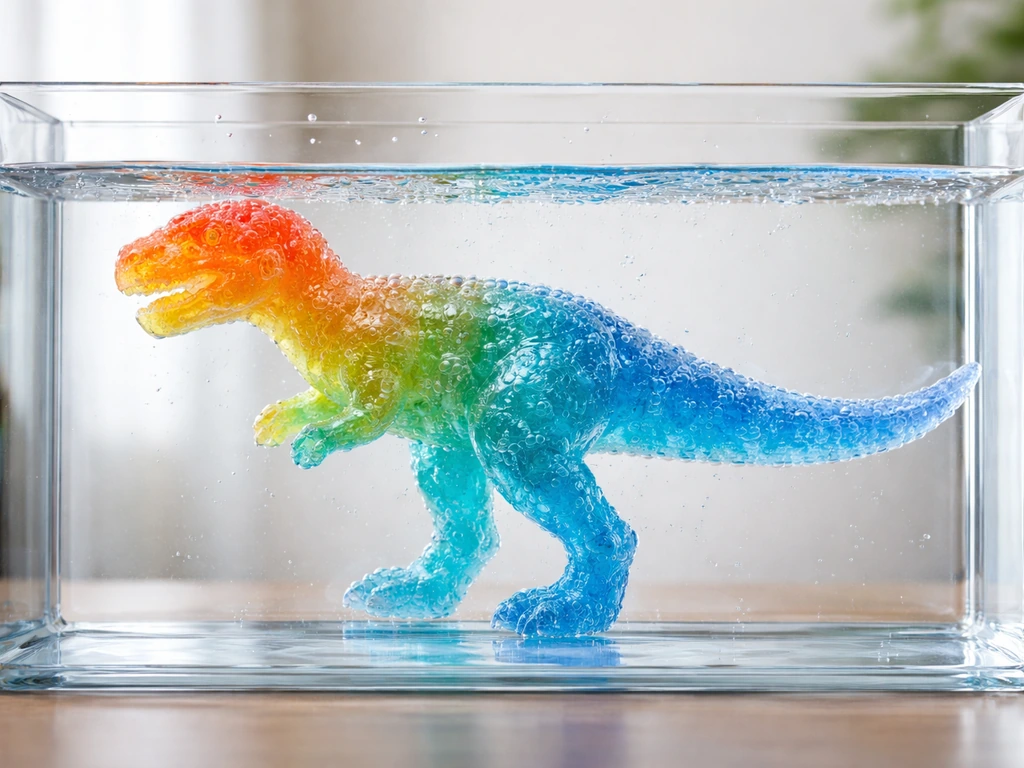
Most grow-a-dinosaur kits work the same basic way: you drop a small, hard dinosaur-shaped specimen into water and watch it expand over one to five days. The dinosaur itself is made from a superabsorbent polymer (often polyacrylamide) embedded in a cellulose or foam body. When water soaks into that material, it can swell to more than six times its original size. You don't need special equipment, just the right container, clean water, and a little patience.
Grow a Dinosaur in Water Instructions: Step-by-Step Guide
Marcus Thornfield
25 Apr 2026
What "grow a dinosaur in water" actually means
Just to be clear: this isn't biology. You're not hatching anything, cultivating a living organism, or doing anything close to real paleontology. What you have is a grow toy, a novelty kit built around superabsorbent polymer technology. The same science behind a disposable diaper is what makes your little T-rex or triceratops puff up dramatically in a bowl of water. The ACS (American Chemical Society) actually uses a version of this kit in at-home chemistry education, calling it "The Thirsty Dinosaur" and explaining that the growing mechanism is a polymer that absorbs and holds huge amounts of water relative to its own weight.
This distinction matters because a lot of people assume the kit comes with a growth solution, a special powder, or some kind of biological process to manage. In most water-grow dinosaur kits, plain water is literally the only ingredient. Some kits include a small solution packet, but many don't. Knowing what you're working with helps you troubleshoot when something goes wrong.
Similar water-grow kits (like grow unicorns or grow yetis) use the exact same polymer principle, so if you've used one of those before, you already know the basics. If you are also wondering about grow unicorn in water instructions, the same water, soak, and change-the-water routine applies. If you bought a grow yeti kit, the instructions are essentially the same as for the dinosaur-style polymer absorb-and-swell process grow yetis.
What you'll need before you start
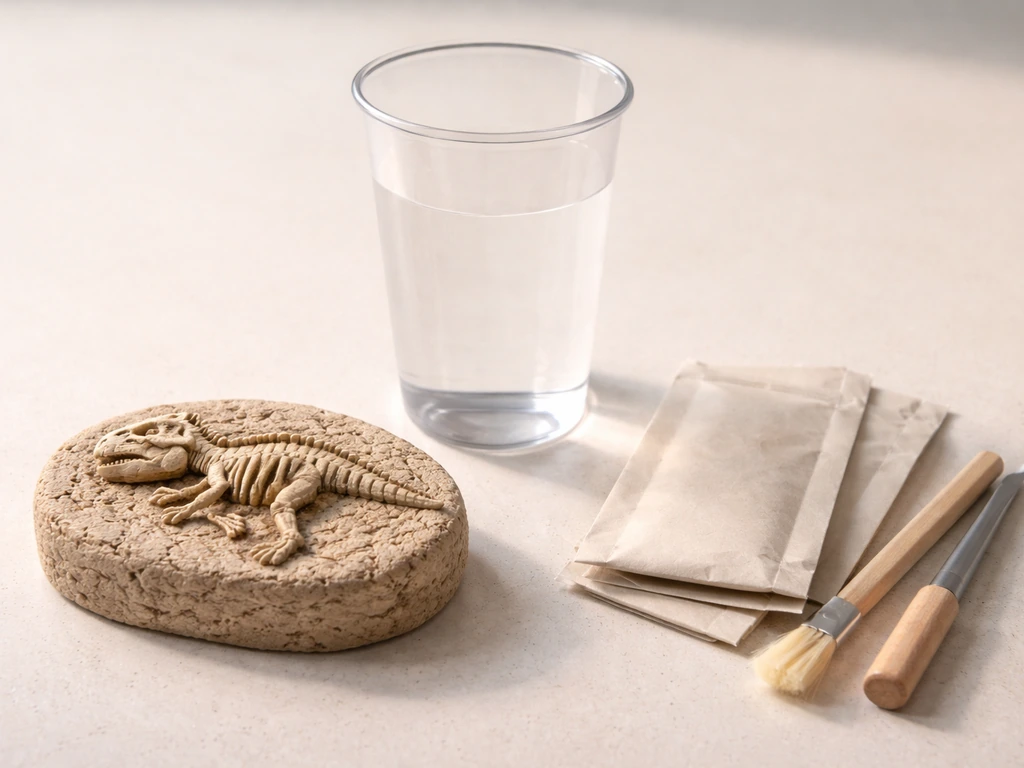
The good news is you probably already have everything you need. Here's what to gather before you begin:
- Your dinosaur specimen (the hard, compact dino shape from the kit)
- A clear container or cup, ideally taller than the dinosaur is wide so it has room to expand upward and outward
- Room-temperature tap water or filtered water (avoid distilled if your kit instructions mention a solution packet, as mineral content can matter)
- A ruler or measuring tape if you want to track growth
- A solution packet if your specific kit includes one
Container size is where a lot of people go wrong. If you use a cup that's too small, the expanding dinosaur will push against the sides, grow unevenly, and may even warp into a weird shape. Use something with at least a couple of inches of clearance on all sides. A large glass measuring cup, a wide-mouth mason jar, or a clear plastic food container all work well. Clear containers are best because you can actually watch the progress without disturbing the specimen.
Water type matters more than most kits let on. Heavily chlorinated tap water can slightly slow absorption, and very hard water (high mineral content) can do the same. If your tap water tastes strongly of chlorine, let it sit uncovered for an hour before use, or use filtered water. Avoid hot or boiling water, it won't speed things up and can damage some polymer structures.
Step-by-step instructions
Step 1: Prepare your container
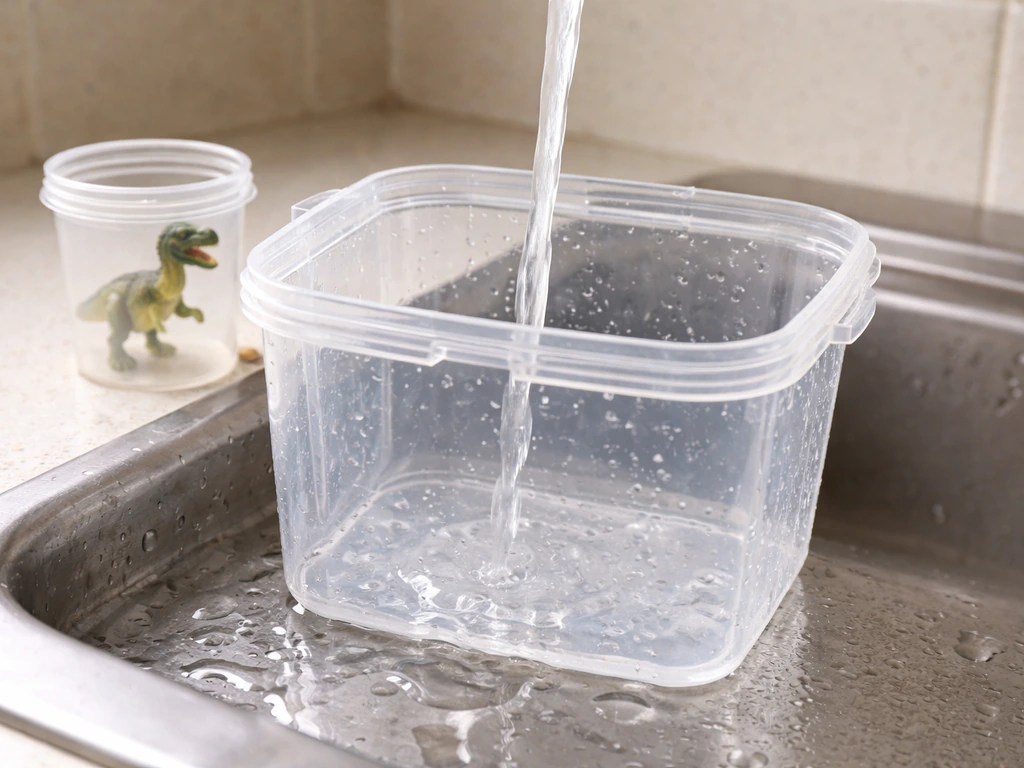
Rinse your container with clean water before you start. Soap residue or oils from previous use can interfere with the polymer's absorption and may cause foaming or cloudiness in the water. Set the container somewhere stable, at room temperature, away from direct sunlight (more on light later).
Step 2: Mix in any included solution packet
If your kit includes a solution packet, dissolve it in the water before adding the dinosaur. The ACS home kit uses about 90 mL of water in a zip-closing plastic bag with the dinosaur inside. If your kit doesn't include a packet, skip this step entirely and just use plain water.
Step 3: Add water to the right level
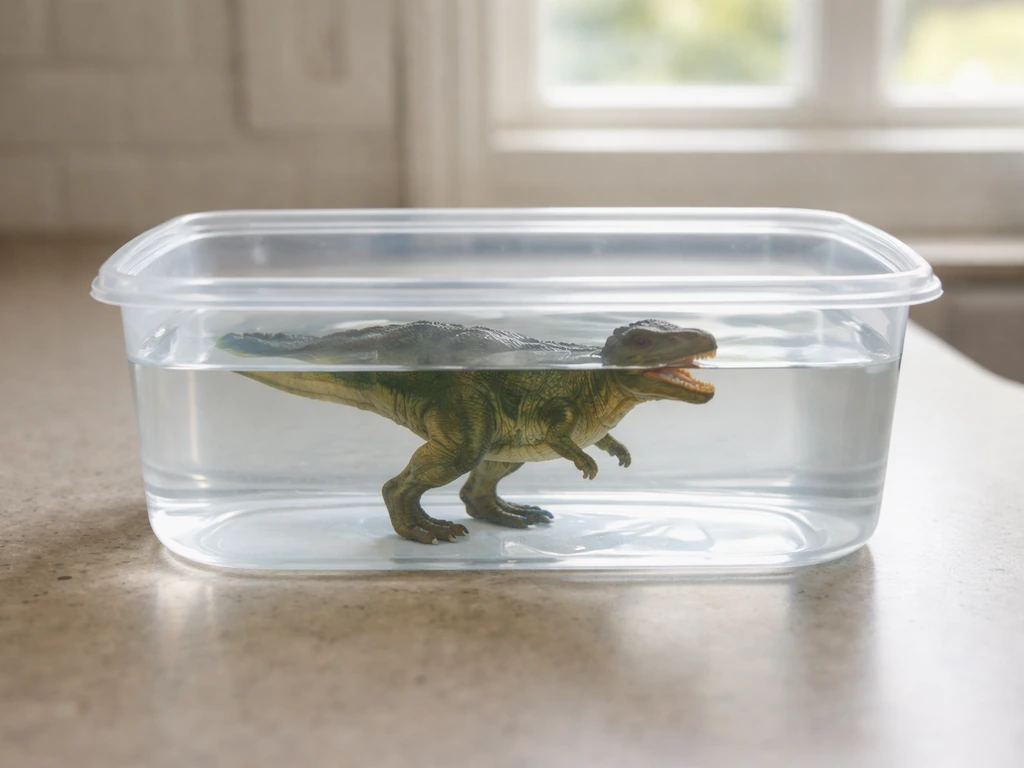
Fill your container with enough water to fully submerge the dinosaur with a little extra room above it. As the dino grows, it will displace water, so don't fill all the way to the rim or you'll end up with overflow. About two-thirds full is a safe starting point for most containers. Place the dinosaur in gently, making sure it's lying flat or standing upright as intended, not wedged against a corner.
Step 4: Let it soak
Now you wait. Most kits show visible growth within the first two to four hours, but the real expansion happens overnight. If you need them for your specific set, the my first Crayola Grow-with-Me Easel instructions walk you through the same general soak-and-change routine. The WVU Extension's classroom version of this activity instructs students to let the dinosaur sit overnight in a cup of water, which is solid advice.
For a full result, Flinn Scientific's documented testing measured polymer dinosaurs over five full days, with the most dramatic growth happening in the first 24 to 48 hours and the final size reaching over 600% of the original. Plan for at least one full day for a satisfying result, and two to three days for maximum expansion.
Step 5: Change the water (don't skip this)
After the first 24 hours, pour out the old water carefully and refill with fresh room-temperature water. blank" rel="noopener noreferrer">The ACS kit specifically instructs: add water, leave for one full day, change the water, then wait another day. This step matters for two reasons. First, it removes any polymer residue or small particles released during the initial expansion. Second, it keeps the water from going cloudy, developing an odor, or growing mold. If you're doing a multi-day soak, change the water every 24 hours. If you need exact timings and water-change steps, see the grow toys in water instructions as a related guide.
Step 6: Know when it's done
The dinosaur is done growing when it stops changing size between your daily check-ins. When absorption appears to stop, it reflects the super-absorbent polymer reaching saturation in the water, which is why the toy's growth levels off. At that point, it will feel soft, squishy, and gel-like. Take it out, measure it if you've been tracking growth, and enjoy the result. The fully grown dinosaur is fragile, so handle it carefully.
Troubleshooting when things go wrong
No growth after 24 hours
If your dinosaur looks exactly the same after a full day, check a few things. Is it fully submerged? If part of it is sticking out of the water, that section won't expand. Is the water very cold? Cold water significantly slows polymer absorption. Move the container to a warmer room (65 to 75°F / 18 to 24°C is the sweet spot). Also check whether the kit included a solution packet that you haven't used yet. Some kits require the packet to activate the process.
Slow or uneven growth
Uneven growth usually means the dinosaur is pressed against the side of the container. Remove it carefully, reposition it so it's centered with room to expand on all sides, and add fresh water. The side that was touching the container may catch up once it's free. If one section of the dino is expanding much faster than another, that's normal for complex-shaped kits: thinner parts absorb water faster than thick core sections.
Specimen stays hard or won't expand
If the dinosaur feels completely rigid after 24 hours, the polymer may be defective or the product may have degraded from age or heat exposure before you opened the package. This occasionally happens with kits stored in hot warehouses or direct sunlight for extended periods. Unfortunately there's no fix for a compromised polymer. If it's a brand-new kit from a reputable retailer, this warrants a return or replacement.
Cloudy water, bad smell, or foam
Cloudiness in the first day is normal, it's just polymer particles releasing as the material absorbs water. If the water is cloudy and smells off after day one, change it immediately and don't wait for the full 24-hour mark. A sour or sulfurous smell usually means bacterial activity has started, especially if the container wasn't clean to begin with or if the room is very warm. Change the water, rinse the container, and continue. Foam on the surface is usually soap residue from an insufficiently rinsed container.
Mold or algae
Visible mold or green algae growth is rare in a short-term soak but can happen if the container sits in bright light (algae) or if the water isn't changed regularly (mold). If you see fuzzy growth on the dinosaur itself, the kit is unfortunately done. If it's only in the water, change the water immediately, move the container out of direct light, and monitor closely. Preventing this is easier than fixing it: change water daily, keep out of sunlight, and start with a clean container.
Water care and environmental parameters
| Parameter | Ideal Range | What Goes Wrong Outside This Range |
|---|---|---|
| Water temperature | 65 to 75°F (18 to 24°C) | Cold water slows absorption; hot water can damage polymer structure |
| Light exposure | Indirect or ambient light only | Direct sunlight promotes algae and can overheat the water |
| Water type | Tap or filtered water | Very hard or heavily chlorinated water may slow expansion |
| pH | Neutral (6.5 to 7.5) | Highly acidic or alkaline water can interfere with polymer uptake |
| Water change frequency | Every 24 hours | Stale water leads to cloudiness, odor, and potential mold |
| Aeration | Not required | Still water is fine; no bubbler or pump needed |
You don't need to buy a pH meter for this project. In practice, normal tap water sits right in the neutral range and works perfectly. The temperature tip is the one that genuinely moves the needle: if your home is cool in spring or fall, simply moving the container to a warmer spot (near a heating vent, not on top of it) can make a noticeable difference in growth speed.
Finishing up, cleanup, and safety
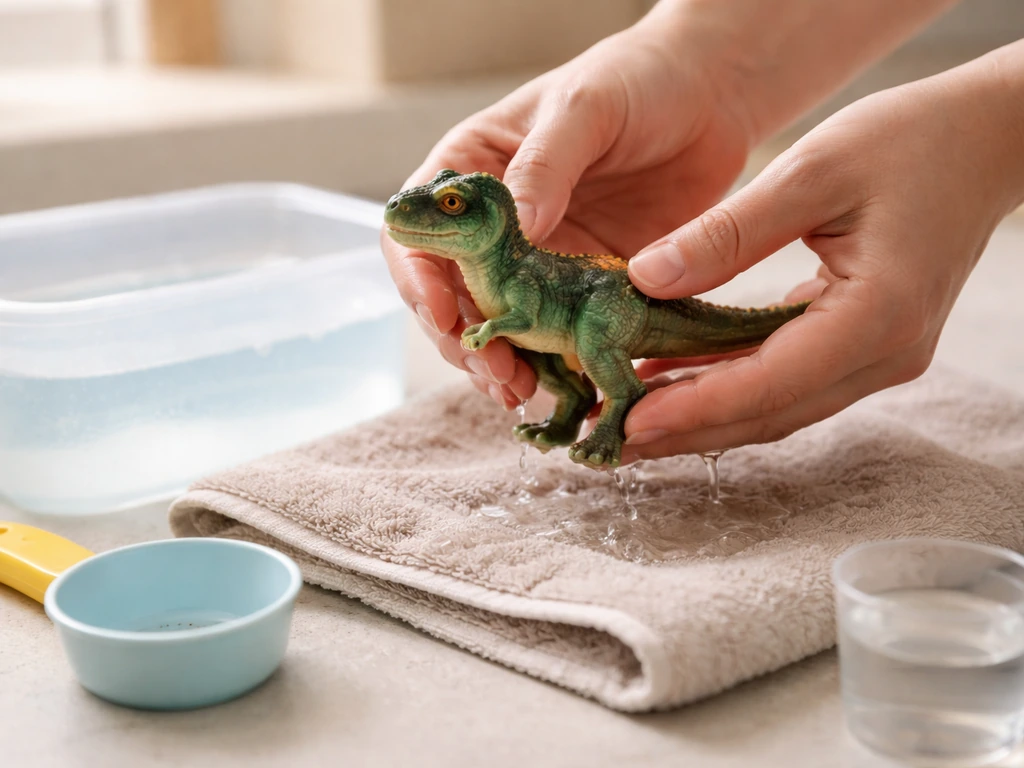
Once your dinosaur has finished growing, carefully lift it out of the water with both hands. It will be soft, heavy, and fragile. Setting it on a damp surface rather than a dry one helps it keep its shape longer. If you leave it out of water, it will slowly shrink back toward its original size as the polymer releases moisture, a process that takes a day or two depending on air temperature and humidity.
For disposal, the expanded polymer dinosaur is not toxic, but it should go in the trash rather than down a drain. Polymer materials can clog pipes in large quantities. The water from the kit can go down the drain normally. If the kit included a solution packet, check the packaging for any specific disposal instructions, though most are water-soluble and safe for standard drain disposal.
Keep these kits away from small children and pets when the dinosaur is fully expanded. The soft, squishy material can look appealing to toddlers or dogs, and swallowing a chunk of superabsorbent polymer is a genuine choking and intestinal hazard. The kits are marketed as toys but generally carry age recommendations of 5 and up for good reason.
Can you reuse the dinosaur?
Yes, with limitations. If you let the expanded dinosaur air-dry completely, it will shrink back down and can be re-soaked to grow again. It may not reach the same maximum size on subsequent soaks, and after a few cycles the polymer structure starts to break down. The container, measuring tools, and any unused solution packets (sealed) can all be reused or kept for the next kit.
Your quick questions, answered
How long does it take to grow?
You'll see visible growth within a few hours. Most kits reach a satisfying size after 24 to 48 hours. For maximum expansion, give it the full five days if you have the patience. The Flinn Scientific measurement data clocked over 600% growth over five days, with the bulk of that happening in the first two.
How can you speed it up?
Warmer water (up to about 80°F / 27°C) will speed absorption. Don't go hotter than that. Using filtered water instead of hard tap water can also help. Changing the water after the first 12 hours instead of 24 can remove buildup and allow fresh absorption. There's no magic trick that dramatically shortcuts the process without risking damage to the polymer.
What if it's smaller than the box promised?
Packaging often shows the maximum possible expansion under ideal conditions. If your dinosaur grew noticeably but didn't hit the advertised size, try a fresh water change and give it another 24 hours. If it's genuinely stopped growing and is much smaller than expected, check whether the water is warm enough, whether the kit is past its use-by date (some have them), and whether the container gave it enough room to expand freely.
Kits from different brands (like the Dino World Megga Grow series, for example) can have very different expansion rates and materials, so the "right" result varies by kit. For Dino World Megga Grow kits, follow the kit-specific water and timing instructions that came with your set so the polymer can expand correctly Dino World Megga Grow instructions.
Is the result different depending on the kit brand?
Absolutely. Budget toy versions often use a simpler foam material that swells but not dramatically. Higher-quality kits using polyacrylamide polymer (like the ACS educational version) expand far more impressively. If you're getting mediocre results, it may simply be the quality of the kit rather than anything you did wrong. Reading the specific kit's instructions (rather than general online guides) will tell you what expansion range to realistically expect.
FAQ
Can I use distilled water instead of tap water for grow a dinosaur in water instructions?
Yes, you can. Distilled water usually avoids chlorine and mineral effects, which can make growth more consistent. Use room-temperature distilled water and keep the container clean, since lack of minerals can sometimes make the water cleaner but does not change the polymer swelling mechanism.
What should I do if my dinosaur floats or keeps rising in the container?
If it floats, it may not be staying fully submerged, so the parts above the waterline will expand poorly. Gently reposition it so it lies flat, then ensure you have enough water to keep it submerged with a little headroom above the top of the dinosaur. Avoid weighing it down with anything that could contaminate the polymer or leave residue.
Is it okay to touch or move the dinosaur during the first day?
You can check it, but try not to disturb it repeatedly. Handling can scrape loose polymer particles and can change how evenly it absorbs water, especially before the first overnight soak. If you must move it, lift with both hands and keep the water level and room-temperature conditions the same afterward.
Do I need to change the water every 12 hours or is daily enough?
Daily (every 24 hours) is typically enough for normal results. If you notice strong cloudiness or an off smell early, change sooner, for example at 12 hours, and rinse the container. Waiting longer than a full day is only reasonable if water remains clear and odor-free.
Why does my water turn cloudy even if everything seems to be working?
Cloudiness in the first day is commonly polymer particles released as the gel swells. It becomes a problem mainly if the water develops an odor or looks aggressively dirty. If that happens, change water immediately, rinse the container, and continue at room temperature.
Can I speed things up by using warmer water or more frequent water changes?
Warmer room-temperature range helps, roughly 65 to 75°F (18 to 24°C), and going up to around 80°F (27°C) can speed absorption. Avoid hotter water, and do not rely on extreme temperature changes. Frequent water changes can help remove buildup, but it will not replace the core soak time required for maximum expansion.
What if my dinosaur has uneven growth, like the head grows faster than the legs?
Uneven expansion often happens because thinner areas absorb faster and thicker core sections take longer. If unevenness aligns with the container contact point, it can also be due to parts being pressed against the wall. Recenter the dinosaur, add fresh room-temperature water, and let it continue for another 24 hours.
How can I tell whether the polymer is defective versus I just need more time?
If the dinosaur still visibly changes size across days, it is probably just following a slower schedule. If it remains completely rigid or shows essentially no expansion after a full day in correctly warm, clean, fully submerged conditions, that points to a compromised polymer. For a new kit from a reputable retailer, replacement is usually the best next step.
Is it safe to pour the used kit water down the drain?
In general, the kit water can go down the drain. The expanded polymer itself should not be flushed, since polymer material can clog pipes in quantity. If your kit included a special solution, check its packaging for any extra disposal instructions.
Can I reuse the same container and measuring tools for later kits?
Yes, if you remove all soap residue, oils, and any polymer residue from the previous run. Rinse thoroughly with clean water before starting the next kit. Any leftover residue can reduce absorption performance and can cause foaming or cloudy water.
Can I air-dry the expanded dinosaur and then re-soak it again?
Yes, within limits. It will shrink as moisture leaves, and you can re-soak it to grow again, but it may not reach the same maximum size after repeat cycles. After several cycles, the polymer structure can degrade, so results usually decline over time.
What should I do if I see algae, green growth, or mold on the dinosaur?
If fuzzy growth appears on the dinosaur itself, the kit is essentially done, and it should be discarded. If growth is only in the water, change the water immediately, move the container away from direct light, and monitor closely. Prevent it by using a clean container and changing the water regularly.
Can I use a different container type, like a metal bowl or small dish?
Stick to non-reactive, clean containers that allow a few inches of clearance and let you see progress. Metal containers can be harder to judge for cleanliness and may introduce contaminants, and very small dishes can force the dinosaur against the sides, causing warping or uneven growth. Wide-mouth, clear containers tend to work best.