
Fill the growing medium pellet with 2¼ cups of warm water, let it expand, fluff it with a fork, then plant your sunflower seeds ½ inch deep and set the whole thing in your sunniest window. That's the core of the Buzzy Sunflower grow kit setup. Sprouts show up in 7 to 14 days, and once they hit 2 to 3 inches tall, they're ready to move to a bigger pot or the garden. Daisy grow kit instructions are similar, but follow the daisy-specific timing and transplant needs for best results. Everything else, the exact steps, the care schedule, the fixes when things go sideways, is laid out below.
Buzzy Sunflower Grow Kit Instructions and Review
Marcus Thornfield
18 May 2026
What's in the Buzzy Sunflower grow kit (and who it's for)
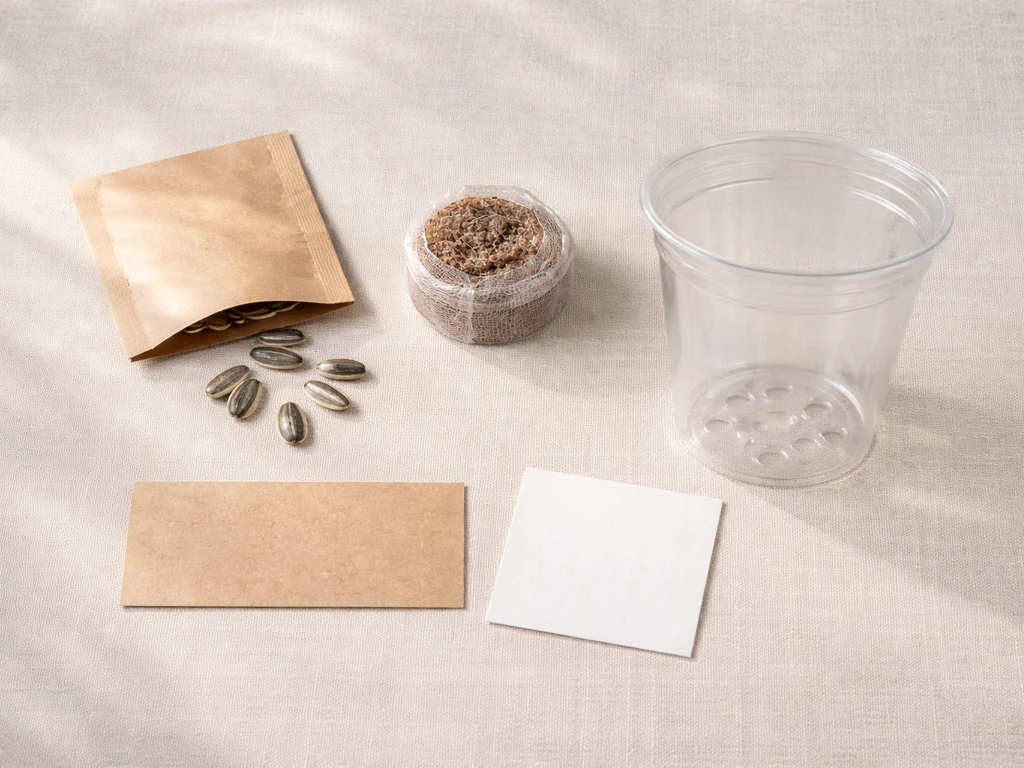
The Buzzy Sunflower kit is a complete seed-starting package designed so you don't need to buy anything else to get started. Depending on which version you picked up, the container is either a small decorative printed tin (with a lid that doubles as a drainage tray), a mini terracotta pot, a colorful egg carton cell, or the classic yellow windowsill-style pot from the "My First Garden" line.
The Walmart listing for the Buzzy “Sunflower Flower Grow Kit Decorative Floral Tin” (Item 97206) specifies the kit includes a decorative printed tin with lid that also serves as a drainage tray, plus a sunflower seed packet, a growing medium pellet, and growing instructions, with “Just add water” for the pellet to expand decorative printed tin (with a lid that doubles as a drainage tray). All versions include the same core components.
- A sunflower seed packet (usually enough seeds for several attempts)
- A compressed growing medium pellet (sometimes called a soil pod or peat pellet) that expands when water is added
- A container with drainage or a drainage-tray lid
- A printed instruction card or booklet
This kit is genuinely built for beginners, including kids doing it alongside a parent. Buzzy markets it as a "My First Garden" product and backs it with a 100% Grow Guarantee, meaning if your seeds don't sprout, they'll replace the seed packet for free. That's a real confidence boost if you're new to this. If you're also looking at Buzzy's daisy or watermelon kits, the setup process is nearly identical, so the steps below will transfer well. If you're also looking for buzzy seeds grow kit instructions for daisies or watermelons, the process is close enough that this guide should carry over well the setup process is nearly identical.
Step-by-step setup: from opening the box to first sprouts
Don't overthink this. The whole setup takes about 10 minutes. Here's the exact order to do it.
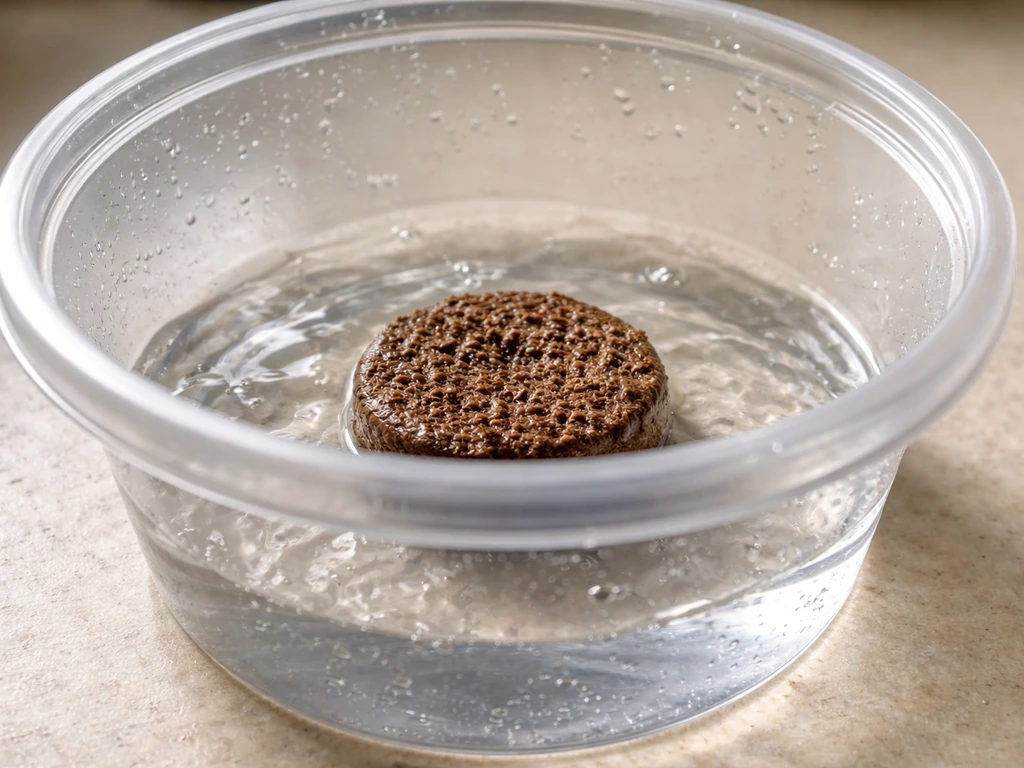
- Place your compressed growing medium pellet into the container or a separate bowl. Pour 2¼ cups of warm water directly over it and give it a few minutes to fully absorb and expand. It will grow several times its original size.
- Once expanded, use a fork to fluff and loosen the medium. You want it light and airy, not packed down. If it looks like a dense brick, keep fluffing. Good aeration helps roots develop and reduces mold risk.
- Fill your container with the fluffed growing medium, leaving a little space at the top. If your kit came with a decorative tin, place the lid underneath as a drainage tray.
- Push each sunflower seed ½ inch deep into the medium. That's about the depth of the first joint on your index finger. Lightly cover each seed with a pinch of growing medium, but don't pack it down hard.
- Water gently until the medium is evenly moist. You don't want standing water at the bottom, just a damp (not soggy) consistency throughout.
- Place the container in a warm, bright spot with good air circulation. A south- or west-facing windowsill works great. Sunflowers need light to germinate well.
- Wait 7 to 14 days for sprouts. Resist the urge to overwater during this window. The medium should stay moist, not wet.
That's it for setup. Once you see green poking through the surface, you move into the care phase.
Care schedule for healthy growth
Light
Sunflowers are sun-hungry plants. Put the kit in the brightest window you have, ideally one that gets at least 6 hours of direct or strong indirect light daily. A south-facing window is ideal in most homes. If your only window gets weak, filtered light, your seedlings will stretch toward it and grow tall and thin (more on that in the troubleshooting section). Rotate the container every day or two so the plant grows straight rather than leaning.
Watering
The target is consistently moist medium, not wet. Stick your finger about an inch into the medium every day or two. If it feels dry, add water slowly until it's just damp again. If the surface looks darkly wet or you see water pooling in the tray, back off. Overwatering is the most common mistake with these kits, and it's the main cause of mold and root rot. During germination, you may only need to water every 2 to 3 days depending on how warm and dry your home is.
Temperature
Sunflowers germinate best in warm conditions. Room temperature between 65°F and 75°F (18°C to 24°C) is the sweet spot. Avoid putting the kit near a drafty window or air conditioning vent during the early weeks. Cold medium slows germination significantly. If your home runs cool, try placing the kit on top of a refrigerator (which gives off gentle warmth) or near a warm appliance until sprouts appear.
Fertilizing
Don't fertilize right away. The growing medium has enough nutrients to get seedlings through the first few weeks. Once your seedlings develop their second set of true leaves (not the first rounded seed leaves, but the next pair that looks more like actual sunflower leaves), start watering with a balanced liquid fertilizer mixed at half-strength. Once a week is plenty at this stage.
Honest pros and cons: is the Buzzy Sunflower kit worth it?
I want to give you a real picture of what this kit delivers, because knowing what to expect ahead of time saves frustration later.
| What works well | What to watch out for |
|---|---|
| Everything you need is included, no extra shopping required | The container is small, transplanting is required for full growth |
| Strong germination rate when setup steps are followed correctly | Instructions on the card can be vague about water amounts (hence this article) |
| Great for kids and total beginners, very low barrier to entry | Mold can appear if air circulation is poor or medium stays too wet |
| 100% Grow Guarantee means you can get replacement seeds if things fail | One seed packet means a limited number of attempts without reordering |
| Attractive packaging, makes a nice gift or classroom project | Sunflowers outgrow the kit container quickly and need outdoor or larger-pot space |
Difficulty level: easy. This is genuinely one of the more forgiving seed-starting kits on the market. Sunflowers are tough, fast-growing, and satisfying to watch. If you can keep the medium moist and put it near a window, you'll likely see sprouts within two weeks. The main gotcha is that sunflowers grow big, so plan for a transplant sooner rather than later. Reviewers consistently note that the germination rate is strong, but the container isn't sized for long-term growing. Think of the Buzzy Sunflower kit as a launchpad, not a final home.
Common problems and how to fix them
Seeds aren't sprouting after 14 days
First, check the medium temperature. Cold medium is the number one reason sunflower seeds stall. Move the kit somewhere warmer and give it a few more days. Also make sure the seeds are actually covered, they need that contact with moist medium to germinate. If you've waited 18 to 21 days with no sign of life and conditions were warm, reach out to Buzzy for their free seed replacement under the Grow Guarantee.
White fuzz or mold on the surface
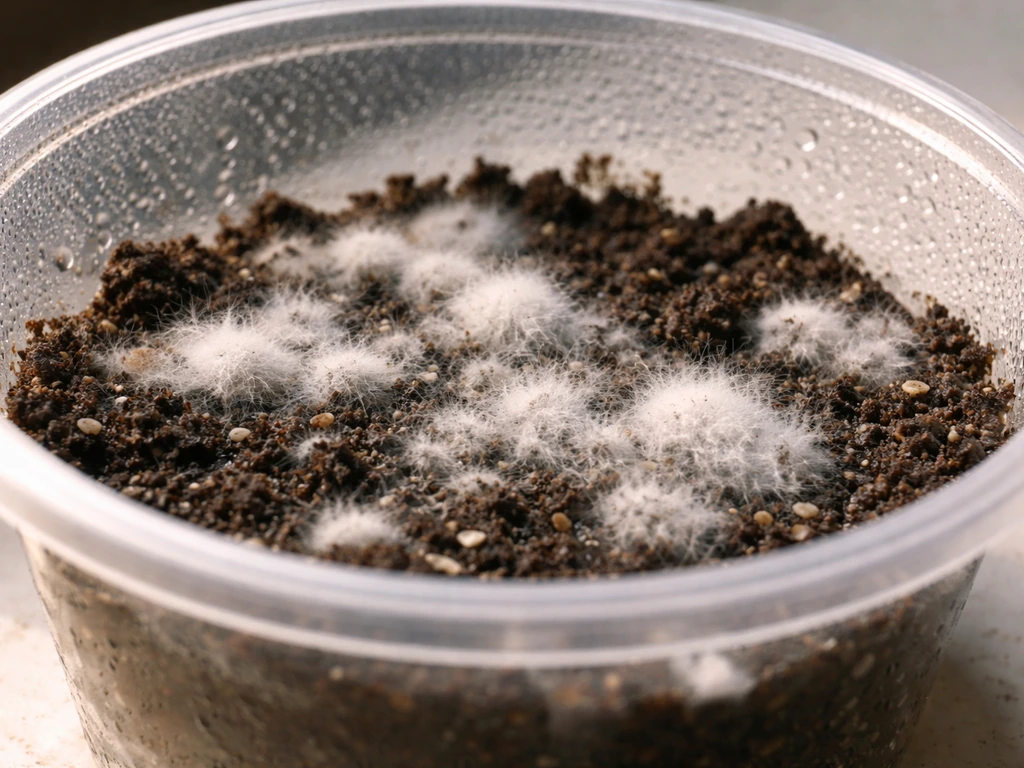
White mold or fuzzy growth on the medium surface is almost always caused by too much moisture and not enough airflow. Move the kit to a spot with better air circulation (near an open window or a room that gets more air movement). Let the surface dry out slightly before the next watering. You can gently scrape off visible mold with a spoon and then dust the surface with a tiny pinch of cinnamon, which has mild antifungal properties and won't hurt seedlings. The seeds underneath are usually fine as long as the mold hasn't been there long.
Tall, skinny, leaning seedlings (leggy growth)
Leggy seedlings mean one thing: not enough light. The seedling is stretching toward whatever light source it can find. Move the kit to your brightest window, or rotate it daily so growth stays even. If you're in a low-light apartment, a basic grow light set to 14 to 16 hours per day will make a dramatic difference. You can also gently brush your hand across the seedlings for a few seconds each day, which mimics wind and encourages thicker stem development.
Yellow or drooping leaves
Yellow leaves on young seedlings usually point to overwatering. Check the medium and let it dry out a bit more between waterings. If leaves are drooping but the medium is dry, that's underwatering. The fix is obvious: water more consistently. Once seedlings have their second set of true leaves, starting half-strength fertilizer can also help if the medium's nutrients are depleted.
Pests
Indoor seedlings rarely attract serious pests, but fungus gnats are a known nuisance when growing medium stays too wet. They look like tiny flies hovering near the soil. The fix is straightforward: let the medium dry out a bit more between waterings to break the gnat life cycle. If they persist, yellow sticky traps placed near the kit catch adults. Aphids sometimes show up on older seedlings, especially near open windows. A simple wipe-down with a damp cloth or a spray of diluted dish soap and water handles them quickly.
When to transplant, harvest, and what to do next
When to transplant
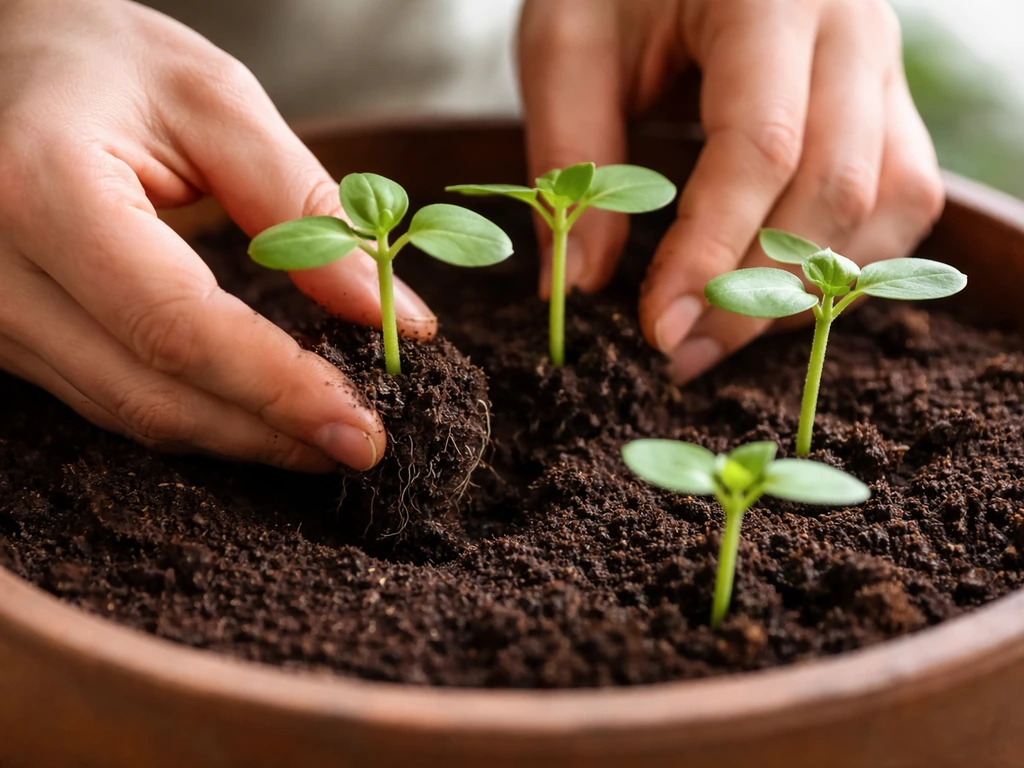
Once your sunflower seedlings reach 2 to 3 inches tall, it's time to move them. The Buzzy kit container is intentionally small, it's designed to get you to this point, not to grow a full sunflower. Transplant into a pot that's at least 12 inches wide and deep, or directly into your garden if the last frost has passed in your area. Sunflowers are surprisingly heat-tolerant once established but hate frost. When you transplant, handle the roots gently and water well immediately after.
What to expect after transplanting
In a larger pot or garden bed with full sun, sunflowers grow fast. Dwarf varieties (common in kits like this) typically reach 1 to 3 feet and bloom within 60 to 80 days from planting. Standard varieties can get much taller. If your kit didn't specify which variety is included, check the seed packet for the variety name. Once blooms open, let them stay on the plant until the flower head dries and the back turns yellow-brown if you want to harvest seeds. Cut the head and hang it upside down in a dry spot to finish drying.
Starting over or using leftover materials
If you have leftover seeds, store them in a cool, dry place in a sealed envelope or zip bag. Sunflower seeds stay viable for 2 to 3 years when stored properly. If the growing medium dried out after your first attempt, you can re-wet it and reuse it for another round, just break it up well and make sure there's no mold present before planting again.
If you want to try a second kit from Buzzy, the Buzzy Seeds Daisy grow kit and the Buzzy Watermelon grow kit follow the same basic setup process, making them a natural next step once you've got this one dialed in. If you are using the Buzzy Watermelon grow kit, the instructions and early care follow the same overall setup approach as this kit.
If you want to grow flowers right after finishing this kit, follow the Buzzy Seeds Daisy grow kit instructions, because the setup and early care are very similar. If you’re using a daisy kit instead, the daisy grow kit instructions will guide timing, watering, and transplanting the same way.
FAQ
How many seeds should I plant in the kit, and should I thin them later?
Plant the full amount of seeds included with the packet, following the 1 seed per cell guidance if your kit uses a cell system. If multiple sprouts appear in the same spot, thin to the strongest one once seedlings have their first true leaves, so the remaining seedling gets enough light and moisture to avoid crowding and stretching.
What’s the best way to water a kit with a drainage tray so I don’t overdo it?
Water slowly and only until the medium is evenly damp, then empty any excess from the tray. If you see dark wet surface or pooled water, stop watering and wait until the top layer feels lighter before the next check. Bottom-watering is usually safer than flooding because it reduces the chance of water sitting around the stems.
Can I start the kit outside instead of indoors?
You can, but only when temperatures stay in the warm range (roughly 65°F to 75°F for fast germination) and there is no frost risk. In many climates, indoor germination then moving outside after the seedlings are established and nights are warmer gives the most reliable results, especially for preventing stalled growth.
My seedlings sprouted but stopped growing. What should I check first?
Start with medium temperature and light. Cold medium commonly causes stalling even after sprouting, so move the kit to a warmer spot. Then confirm they are getting bright light daily and rotate the container so growth is even, because weak light often looks like “nothing is happening” after initial emergence.
How do I tell the difference between seed leaves and true leaves for the fertilizer timing?
Seed leaves are the first rounded or simpler pair that comes out right after germination. True leaves are the next pair that look more like mature sunflower leaves (more defined shape and texture). Use that second true-leaf stage as your cue to begin half-strength fertilizer.
What should I do if the medium pellet didn’t expand properly or feels uneven?
If the pellet looks lumpy or dry in places, add warm water a little at a time and let it absorb until the entire medium is evenly expanded. Fluff with a fork only after it’s fully hydrated, and make sure every planted seed has direct contact with moist medium to prevent patchy germination.
Is the cinnamon trick safe to use if I already see mold?
Use only a tiny pinch and dust lightly on the surface after you remove visible mold with a utensil. Focus on correcting the cause (too wet and low airflow). If mold keeps returning quickly, keep the medium drier between waterings and improve ventilation rather than repeatedly adding cinnamon.
Should I use a grow light from day one, or only after sprouting?
If your home windows get fewer than about 6 hours of strong light, using a grow light soon after sprouting helps prevent legginess. Set the light to 14 to 16 hours per day and keep seedlings close enough to stay sturdy, but avoid overheating the medium near a hot bulb or LED panel.
When is the right time to transplant, and can I transplant earlier than 2 to 3 inches?
The recommended window is 2 to 3 inches tall, because that’s when seedlings can handle the move with less setback. If you must transplant earlier due to overcrowding, disturb the roots as little as possible, keep the soil consistently moist, and expect a short growth pause until the plant re-establishes.
How big should my transplant pot be if I’m not planting in the ground?
Aim for at least 12 inches wide and deep as a minimum, and water immediately after transplant. For faster, fuller growth in containers, having a deeper pot helps anchor tall stems and reduces how quickly the soil dries out compared with shallow containers.
Do sunflowers need to be hardened off before going outdoors?
Yes, especially if you started indoors. Gradually increase outdoor exposure over about a week, starting with a protected spot out of strong wind and intense sun. This reduces transplant shock and helps stems thicken rather than droop once moved outside.
My sunflower has yellowing leaves, but the medium isn’t soggy. Could it be fertilizer or nutrients?
If leaves yellow while the medium feels neither wet nor overly dry, nutrient depletion or stress from light shortage can contribute. First check watering consistency and light level. Then once true leaves have formed, switch to half-strength fertilizer only at the appropriate stage to avoid overfeeding when seedlings are still small.
Can I reuse the growing medium if there was mold the first time?
Reuse is only a good idea if the mold was minimal and you can confirm there is no active growth. Break the medium up well, let it fully dry, and discard anything that still shows fuzzy or smelly mold. For best safety and reliability, start fresh if the previous batch had significant mold.
How long should seeds be expected to take before I request a replacement under the Grow Guarantee?
The typical germination window is 7 to 14 days, and the guide references getting in touch if you reach about 18 to 21 days without signs of life in warm conditions. Keep the medium consistently moist during that period, confirm seeds are properly covered, and then contact Buzzy if nothing germinates by the stated timeframe.