Garden Rich Root & Grow is a root stimulator and plant starter made by Bonide. The short answer on how to use it: shake the bottle, mix 3.5 tablespoons of concentrate per gallon of water, and pour that diluted solution directly onto your plant's root zone at transplant time or right after seeding. For application guidance and concentrate dosing per gallon, the Bonide Root & Grow product page specifies the label instructions for mixing and use blank" rel="noopener noreferrer">diluted solution per gallon of water. That's the core of it. For a detailed guide on how to use Root & Grow, including mixing and application tips, see the full instructions for roots organic uprising grow. Everything below fills in the details so you get it right the first time, whether you're working with a seed-starting tray, a container garden, or a small hydroponic-style grow kit.
Garden Rich Root and Grow Instructions: Mixing Guide

What Garden Rich Root & Grow actually is
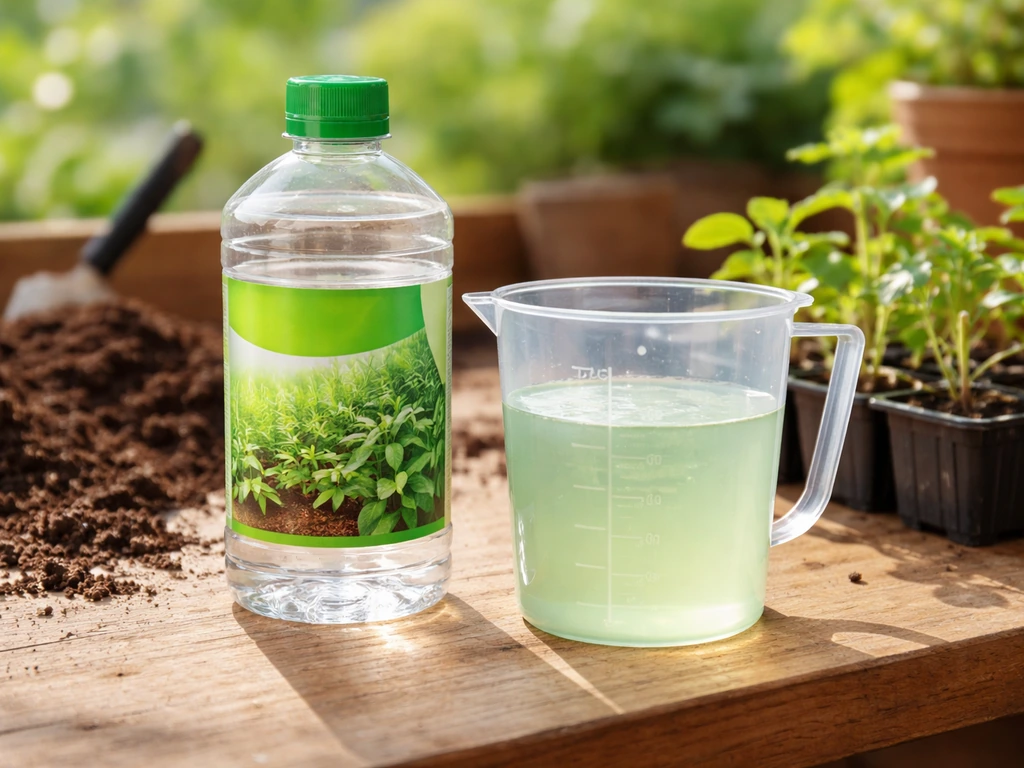
Garden Rich Root & Grow (product code 4431) is a liquid concentrate with an NPK ratio of 4-10-3. The "4-10-3" tells you it's relatively low in nitrogen, higher in phosphorus, and moderate in potassium. That phosphorus-heavy formula is intentional: phosphorus is what plants lean on hardest when they're building roots. The active root-stimulating ingredient is Indole-3-Butyric Acid (IBA), which is a naturally occurring plant hormone that signals cells to develop into root tissue. The IBA concentration is very low (about 0.0004%), which is normal for this type of product. You don't need much IBA to get the signal across to the plant.
The fertilizer backbone comes from Ammonium Polyphosphate (around 28%) and Muriate of Potash (around 5%). Together these give the plant a gentle nutritional boost while the IBA gets the root system moving. Think of it as a welcome package for a newly transplanted or freshly seeded plant: just enough food to reduce stress and get roots established before the plant has to fend for itself.
It's designed for the establishment phase, not as an ongoing heavy-feeding fertilizer. You'd reach for this product when transplanting seedlings, starting seeds in a planting bed, or working with a grow kit where young plants need to anchor themselves quickly. If you're looking at a general grow or veg-stage feed instead, that's a different product category. Garden Rich Root & Grow specifically shines at transplant and establishment, which is exactly where most beginner growers lose plants.
Before you do anything: check your bottle and read the label
This product comes in multiple sizes: 1 pint (473 ml), 1 quart (946 ml), 64 fl oz (1.89 L), and 1 gallon (3.785 L). The mixing ratios are the same regardless of bottle size, but it's worth confirming you have Garden Rich Root & Grow specifically, not a different Bonide product. The label shares a registration with a few brand variants, including "Calloway's Amazing Roots" and the base "Root & Grow" product. If your bottle says any of those names with the 4-10-3 formulation, you're working with the same product and the same instructions apply.
Before mixing, spend two minutes with the label on your specific bottle. Label language can be updated, and if your bottle's SDS date is from 2015, 2016, or 2021, the core ratios haven't changed, but the label is your legal source of truth for your exact container. If you're using a grow kit that came with its own instructions, cross-reference those with the Garden Rich label rather than assuming one overrides the other. Also note: this product is registered as a pesticide (because IBA is a regulated plant growth regulator), so the label has legal weight. Follow it.
Check that your grow kit setup makes sense for this product. Garden Rich Root & Grow is formulated to be poured onto soil or growing medium and into the root zone. It is not designed to be pre-mixed into a recirculating hydroponic reservoir as a standalone nutrient solution. If you're running a full recirculating system with a pump and filter, read the troubleshooting section below before you add this to your reservoir.
How to use Garden Rich Root & Grow: step by step
Here's the full application process in order. Don't skip step one.
- Shake the bottle well before opening. The label explicitly calls this out because the concentrate can separate. Skipping this step means your first pours are weaker and your last pours are stronger than intended.
- Mix your diluted solution (see the Mixing section below for exact ratios). Always mix in a separate container before applying, never add concentrate directly to your plant or growing medium.
- For transplants: dig your planting hole, set your plant in place, and pour the diluted solution directly into the hole and around the root ball before you fill the hole back in. Then water thoroughly around the plant.
- For seeds and seed beds: cover your seeds with soil as usual, then water the entire bed using your diluted solution at a rate of 1 gallon of diluted solution per 250 square feet of planting area.
- For houseplants and container gardens in grow kits: apply 1/2 cup of diluted solution per quart of soil volume in your container. Pour evenly around the base and let it soak into the medium.
- Do not rinse the solution back out. Let it sit in the root zone. Water the plant with plain water again only if the medium is bone dry after application.
For larger ornamental plants, the label gives specific pour volumes: 1 pint of diluted solution for small flowers like mums, geraniums, and annuals; 3 pints for rose bushes, azaleas, gardenias, and similar shrubs; 1 gallon or more for anything over 4 feet. Scale up proportionally for large container plants in grow kits.
Mixing instructions: ratios, water, and the right order
The ratio
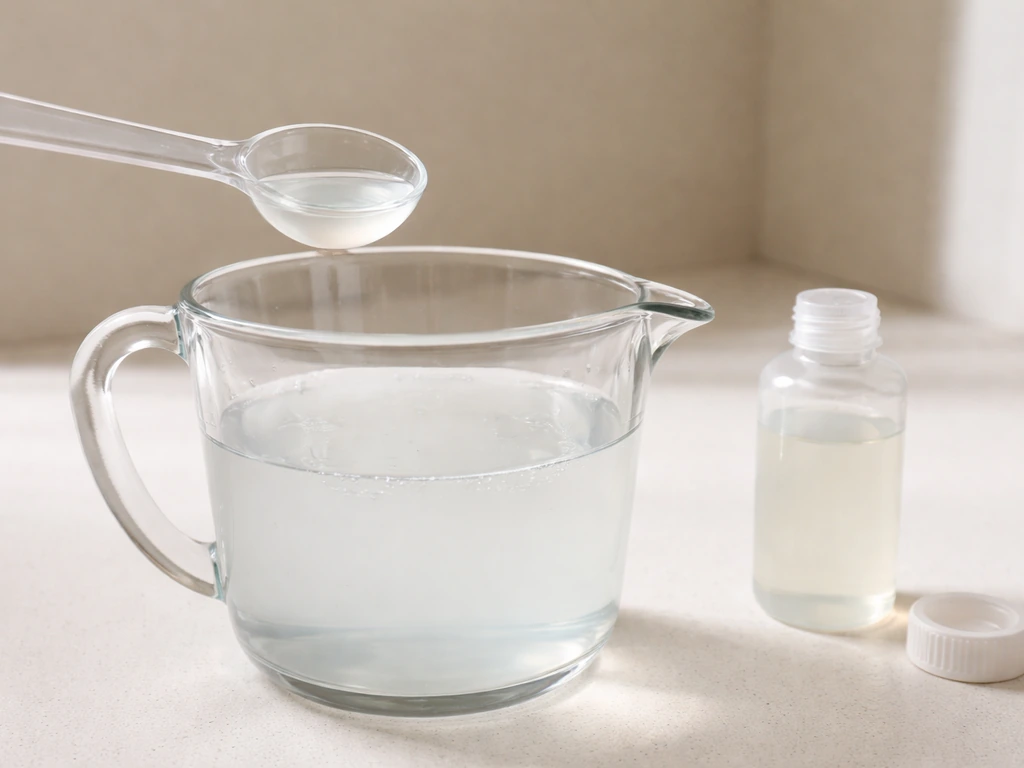
The standard mixing rate is 3.5 tablespoons of concentrate per gallon of water. The label also expresses this as 1 pint of concentrate in 9.17 gallons of water, or 1 quart of concentrate in 19 gallons of water. For most home grow kit users, the tablespoon-per-gallon measurement is the most practical. If you're mixing smaller batches, 3.5 tablespoons per gallon works out to roughly 1 teaspoon per cup of water, though for small volumes I'd recommend mixing at least a quart at a time to keep your ratios accurate.
| Concentrate Amount | Water Volume | Best For |
|---|---|---|
| 3.5 tablespoons | 1 gallon | Container gardens, grow kits, houseplants |
| 1 pint | 9.17 gallons | Larger garden beds or multiple transplants |
| 1 quart | 19 gallons | Bulk seeding or full garden bed application |
Water type and order of mixing
Use room-temperature water. Cold water can affect how evenly the concentrate disperses. If you're on a municipal water supply with heavy chlorine, letting the water sit in an open container for an hour first is good practice, especially if you're using this alongside living soil or with sensitive seedlings. Filtered water is fine. Avoid water that's been softened with sodium, since softened water can interfere with nutrient uptake over time.
The order of mixing matters: pour the water into your mixing container first, then add the concentrate. This reduces the chance of the concentrate clumping or sitting undispersed at the bottom. Stir or swirl gently for 20 to 30 seconds. The product is described as "instantly mixes with water," so you shouldn't need to stir aggressively, but give it a moment to fully combine before applying.
Safe handling
Wear gloves when mixing. The label carries a CAUTION warning because the concentrate can be harmful if absorbed through the skin and causes moderate eye irritation. Avoid contact with your skin, eyes, and clothing. If you do get it on your skin, wash thoroughly with soap and water right away. If it gets in your eyes, flush with water for 15 minutes. Don't eat, drink, or touch your face while mixing or applying. It's a mild product by pesticide standards, but the precautions are there for a reason.
When things go wrong: troubleshooting dosing and application problems
Weak results or no visible root response
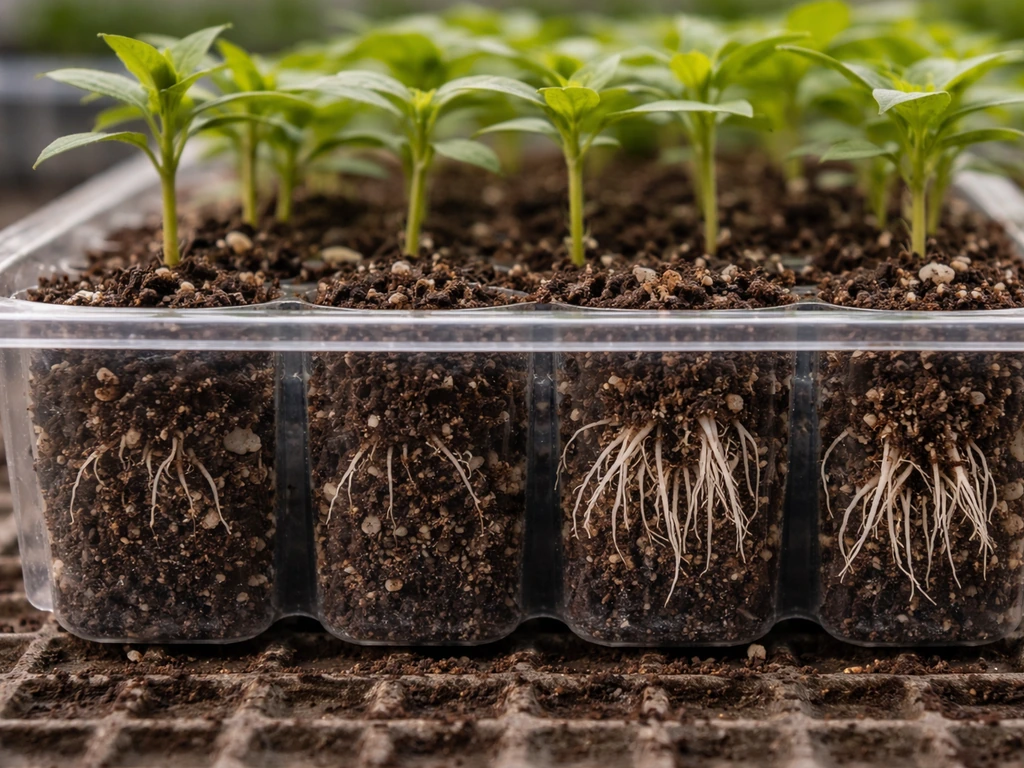
If your plants aren't establishing well and you've been using this product, the most common culprits are under-dosing and applying to the wrong zone. Under-dosing happens easily if you skip the shake step (concentrate settles, so early pours are diluted), or if you're mixing by eye rather than measuring. Measure your tablespoons accurately. Also make sure you're pouring the solution directly onto the root zone, not just watering the top of dry soil and hoping it reaches the roots. Soak the area thoroughly so the diluted solution actually contacts the developing roots.
Leaf tip burn or root damage from over-dosing
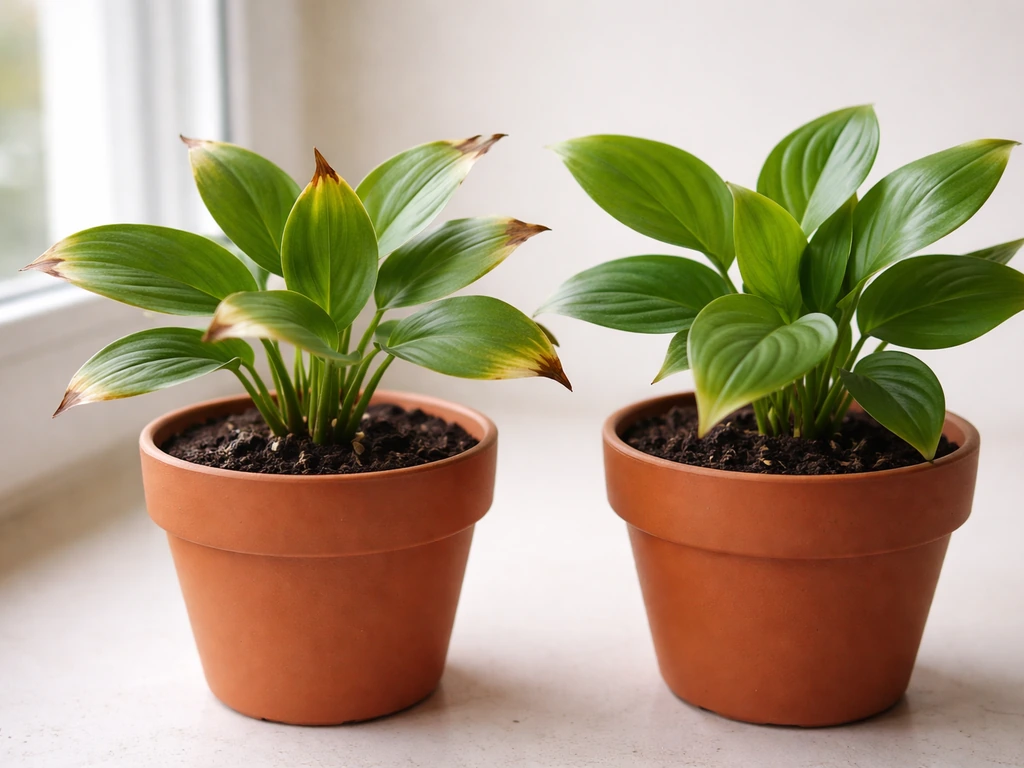
More is not better here. The IBA in this product is effective at very low concentrations, and the fertilizer salts in an over-concentrated mix can stress roots rather than help them. If you see leaf tip burn, yellowing, or the plant wilting after application rather than perking up, over-dosing is likely. Flush the growing medium with plain water (two to three times the container's volume) to dilute the excess fertilizer salts. Give the plant a few days to recover before reapplying at the correct dilution rate.
Clogged lines or pump filters in grow kit systems
This product is not formulated for continuous recirculating reservoir use. If you've added it directly to a hydroponic reservoir that feeds through a pump and drip lines, you may see clogging, biological buildup (from the organic components), or pH shifts that stress plants. If this has already happened, drain the reservoir, flush the lines with plain pH-adjusted water, and clean any filters. Going forward, apply Garden Rich Root & Grow as a soil drench or medium drench at transplant time rather than as part of your reservoir solution. For garden reach root and grow instructions on timing and proper root-zone application, follow the label guidance closely Root & Grow solution. It's a starter and establishment product, not a full-cycle hydroponic nutrient.
Solution separating or looking cloudy
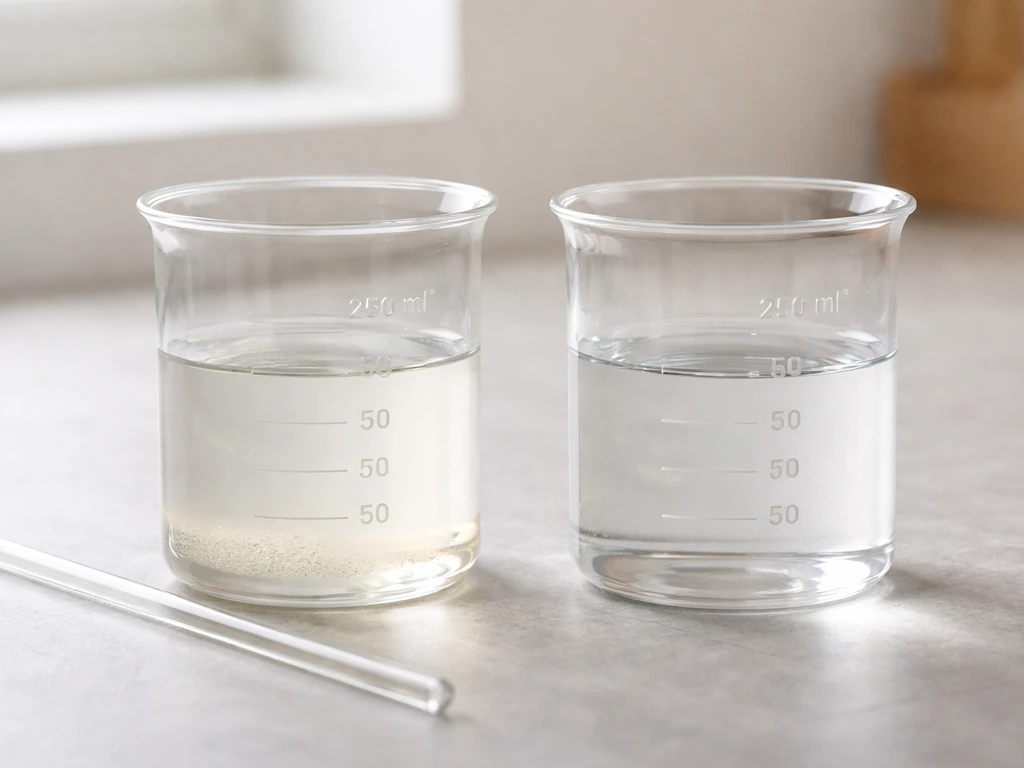
If your mixed solution separates or looks cloudy, that's usually a sign you either didn't shake the concentrate first or mixed with very cold water. Discard that batch, shake the bottle again for a full 30 seconds, and remix with room-temperature water. Use fresh diluted solution the same day you mix it. Don't store pre-mixed solution for later use.
Timing, frequency, and what results actually look like
Apply Garden Rich Root & Grow at the moment of transplant or right after seeding. This is when the IBA hormone has the most impact: the plant is in an active stress response and root cells are primed to respond to the hormone signal. Applying it weeks after transplant when the plant is already established gives you much less benefit.
For ongoing established plant support during the growing season, the label says to apply at the first signs of new growth in spring and then repeat every 4 to 6 weeks throughout the season, using 1 gallon of diluted solution per 250 square feet. For houseplants and container grow kits, reapply every 6 to 8 weeks at the half-cup-per-quart-of-soil rate.
Don't expect overnight results. Root development happens underground and takes time you can't see. What you should notice within 1 to 2 weeks of a good transplant application is the plant holding its shape and color, not wilting dramatically during the day, and showing the first signs of new leaf or stem growth. That new growth is your confirmation that roots are establishing. If the plant looks the same or worse after two weeks, revisit your mixing and application method before adding more product.
One thing worth knowing: Garden Rich Root & Grow does its best work when the timing lines up with active root zone contact. If you're using a grow kit with a growing medium that dries out quickly (like a loose peat mix or a small rockwool cube), you may need to water again with plain water sooner than you would in a soil-heavy setup, but don't reapply the Root & Grow solution more often than the frequency guidelines above.
Safety, storage, and disposal at home
Storing the concentrate
Keep the bottle upright, in its original container, and stored in a locked area away from children and pets. Don't transfer it to an unlabeled bottle or a food container. Room temperature storage is fine, but avoid freezing or leaving it in a hot car or shed where temperatures spike. The formulation can degrade or separate under temperature extremes.
Disposing of leftover product
If you have leftover concentrate you don't plan to use, do not pour it down the drain, inside or outside. The label is explicit: never place unused product in any indoor or outdoor drain. Instead, call your local solid waste agency for disposal instructions. Many communities have household hazardous waste collection programs that accept pesticide concentrates. This is a regulatory requirement, not just a suggestion, because of the IBA classification.
Disposing of empty containers
When the bottle is empty, don't reuse or refill it. The label classifies it as a nonrefillable container. Place it in your regular trash or check if your local recycling program accepts pesticide containers (many do after triple-rinsing). Do not repurpose the bottle for water or other liquids.
If there's any product contact with skin or eyes during handling, treat it seriously. Rinse skin with soap and water immediately, and flush eyes with clean water for at least 15 minutes. If irritation continues, contact a healthcare provider. The product carries a CAUTION label, which is the mildest EPA hazard category, but that doesn't mean zero risk for sensitive individuals or with prolonged exposure.
A quick note on related products and instructions
If you came here because you were searching for general root stimulator instructions or mixing directions for a slightly different product, it's worth double-checking whether you have Garden Rich Root & Grow specifically (product code 4431) or a sibling product. The garden reach version and the base root and grow product share a lot of DNA with this one, but there can be differences in concentration or formulation across variants. The label on your bottle is always the final word. If your label looks different from what's described here, the general framework for IBA-based root stimulators still applies: dilute accurately, apply to the root zone at transplant, don't overdo it, and give the plant time. If you’re looking for root and grow instructions beyond this product, treat the label as your guide for dilution and root-zone application root stimulators still applies.
FAQ
Can I use Garden Rich Root & Grow as my main fertilizer for the whole season?
No. This product is meant to be applied as a drench to the root zone at transplant or after seeding (and optionally during the label’s establishment schedule). If you need a nutrient program for full-season growth, use a separate fertilizer intended for ongoing feeding, otherwise you can underfeed nitrogen and over-rely on the starter formulation.
What should I do if I accidentally mixed it stronger than the recommended rate?
Measure concentrate by volume, not by shaking strength or “how it looks.” If you accidentally used more concentrate than the 3.5 tablespoons per gallon rate, flush the medium with plain water two to three times the container volume, wait a few days, and resume only at the correct dilution. Overconcentrating can stress roots and delay establishment.
My grow kit dries out fast, should I apply Root & Grow more often?
For most kits, apply it right after seeding or transplanting, when the roots are actively contacting the medium. If your medium dries quickly, you may need to water again sooner with plain water to keep that root-zone contact, but do not increase the frequency of Root & Grow beyond the label guidance.
Can I mix a batch of the diluted solution and store it for the next day?
If you want to reduce waste, mix only what you can use the same day. The diluted solution should not be stored for later use, and you should discard any batch that separates or looks cloudy, especially if it wasn’t mixed with room-temperature water or wasn’t shaken thoroughly.
Can I add Root & Grow to a recirculating hydroponic reservoir?
Yes, but only if the label requirements you have allow it and you can reliably prevent it from entering a recirculating nutrient reservoir. In recirculating systems, this product is not designed to be part of the reservoir, because it can contribute to buildup and clogging. For hydro setups, use it as a medium or soil drench at transplant time instead of in the reservoir.
My mixed solution looks cloudy or separated, is it still usable?
If it clumps or looks cloudy, treat it as a failed mix. Discard the batch, shake the concentrate for a full 30 seconds, remix with room-temperature water, and apply promptly. Clumping is usually caused by skipped shaking and/or cold-water mixing.
The bottle says a “Root & Grow” variant, can I use the same mixing rate?
Typically, yes, if the bottle you have matches the Garden Rich Root & Grow identity and the formulation on the label. However, sibling variants can have different concentrations or label rates, so do not assume the tablespoon-per-gallon number applies to another product just because the name is similar.
Is softened tap water okay for mixing the solution?
You should avoid it. Softened water often contains sodium, which can interfere with nutrient uptake over time. If you must use softened water, consider filtering and check that your water chemistry is suitable, then still prioritize accurate dilution and correct root-zone soaking.
If I apply it to the top of the soil, will it reach the roots?
Yes, but apply it carefully so the drench reaches the root zone, not just the surface of dry media. After applying, ensure the area is soaked thoroughly so the diluted solution contacts developing roots. If the top layer is dry and the water runs off, you may see poor establishment.
What safety steps matter most during mixing and application?
Wipe off accidental splashes and follow the label precautions. Wear gloves during mixing and application, avoid contact with skin and eyes, and if contact occurs, wash skin right away with soap and water and flush eyes for at least 15 minutes. If irritation persists, seek medical advice.
How long should it take to see results, and what if nothing changes?
Expect visible improvement in about 1 to 2 weeks, and look for new leaf or stem growth rather than instant “miracle” results. If nothing improves after two weeks, revisit three points first: correct dilution, shaken concentrate, and true root-zone soaking at transplant.
What do I do with leftover concentrate after the batch is used?
Don’t pour leftover concentrate into a drain, even if it is “only a little.” Use your local household hazardous waste guidance for pesticide concentrates. This is about regulatory disposal requirements, not just environmental caution.
If my plants need more support, when should I reapply after transplanting?
If you are applying as a follow-up during the growing season, use the label’s schedule rather than transplant-only timing. For established plants, the label provides a repeat interval (with different rates for general areas and for container/home use). Overlapping frequent reapplications increases the chance of fertilizer salt stress.