
Put your Dino Surprise or Dino World grow egg into a container of room-temperature water, make sure it is fully submerged, and leave it alone. Within 12 to 24 hours the shell will crack open and your dinosaur will start to emerge. Once the shell breaks, peel away any remaining pieces, drop the dino back into the water, and give it a few more days to reach full size. That is the whole process. The trickier parts are identifying which exact kit you have, getting the water conditions right, and knowing what to do when nothing seems to be happening.
Dino Surprise Grow Egg Instructions: Step-by-Step Guide

Marcus Thornfield
18 Jun 2026
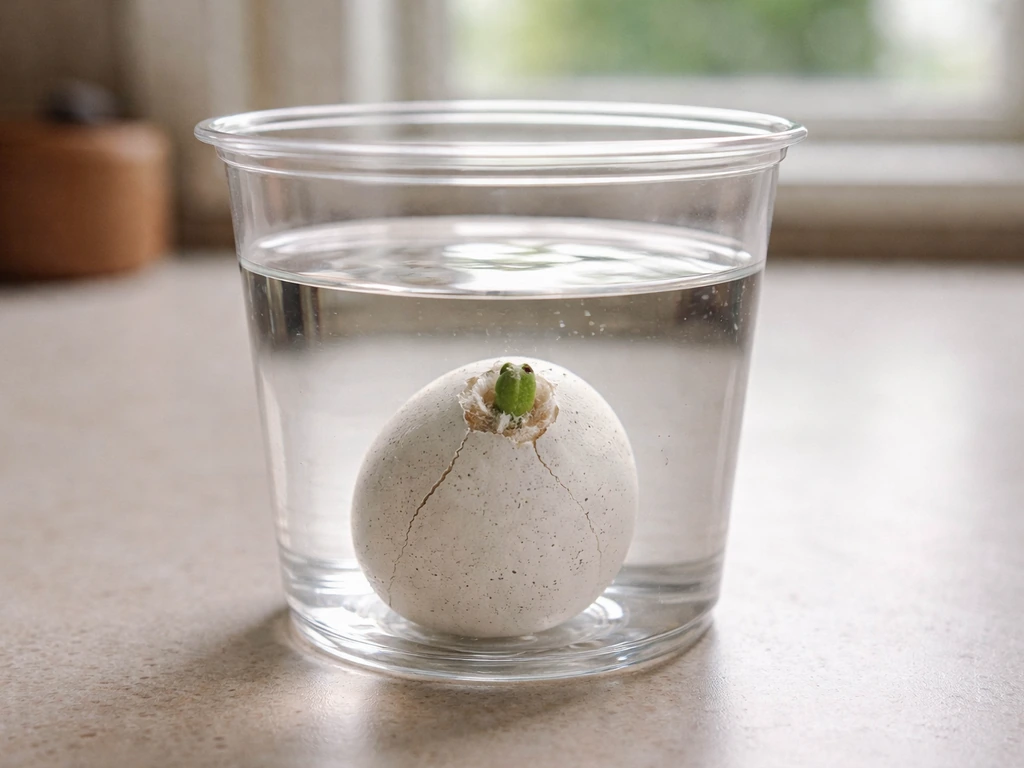
Identify your Dino Surprise or Dino World grow egg kit model
These kits go by several very similar names, and it is easy to mix them up. The two most common versions you will encounter are the Ja-Ru Dino World grow egg and the Dino Surprise Grow Egg, sold separately at toy shops, dollar stores, and school supply retailers like Mardel. There is also a larger "Megga Grow Egg" version under the Dino World branding. All of them work on the same principle, water activates a compressed foam or sponge dinosaur inside a dissolvable or breakable shell, but the size of the finished dinosaur and the exact timeline can differ by model.
To confirm exactly which kit you have, check these spots:
- The packaging card or blister pack: look for the brand name (Ja-Ru is the most common manufacturer), a style or item number (Style 1747 is one widely sold Megga Grow Egg variant), and any age or size callouts.
- The egg itself: the Megga Grow Egg version is noticeably larger than standard single-dino eggs and the finished dinosaur can reach nearly 10 inches tall.
- Any printed instructions on the back of the card: if they mention a water temperature limit of 95°F / 35°C and a 12-to-24-hour hatch window, you have a Ja-Ru family product and the guidance in this article applies directly.
- The retail channel: Dino Surprise branded eggs are common at Mardel and church/school supply stores; Dino World and Megga Grow Egg versions appear more often in toy departments and dollar/discount stores.
If you have a unicorn, dragon, or other creature version with a very similar egg format, the setup process is nearly identical. You might also want to look at guides for dragon mystery grow eggs or unicorn grow eggs on this site, since those kits share the same water-submersion mechanic with only minor differences in expected size and grow time. If you are specifically looking for unicorn grow egg instructions, follow the same water-submersion steps and just adjust for the expected size and grow time.
Unboxing and parts checklist
Most Dino Surprise and Dino World grow egg kits are intentionally minimal. The kit itself is not doing much heavy lifting here. You are providing the main ingredient, which is water. Still, run through this checklist before you start so you are not hunting for something mid-process.
- The grow egg (one hard or semi-hard shell encasing the compressed dinosaur inside)
- An instruction card (usually printed on the backing of the blister pack, sometimes a separate folded sheet)
- No container is included: you need to supply your own bowl, cup, or tub large enough to fully submerge the egg with an inch or two of water above it
- No tools are required, though having a spoon on hand is useful for fishing out shell fragments
- No special water additives: plain tap water works fine
If you bought a multi-pack or a "Megga" version, there may be more than one egg in the package. Each egg should be grown separately in its own container so the dinosaurs have room to expand without bumping into each other.
Step-by-step setup: water amount, temperature, and placement
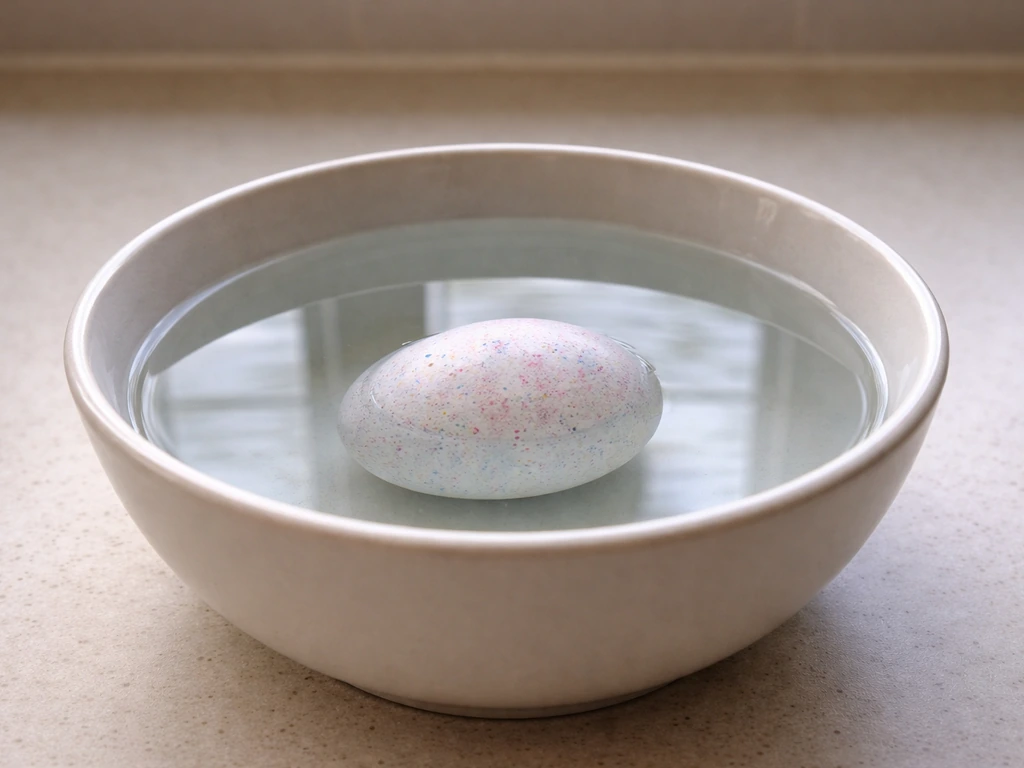
Choose the right container
Pick a bowl, cup, or container that is wide enough and deep enough to keep the egg fully covered. A standard cereal bowl works well for a single egg. For the larger Megga Grow Egg, use a mixing bowl or a plastic storage container. For specific mega grow egg instructions, follow the same steps but plan for a larger container and slightly longer growth time For the larger Megga Grow Egg. The egg needs to stay completely submerged the entire time, so if it bobs to the surface, weigh it down gently with a small cup or another object that will not scratch it.
Water temperature and amount
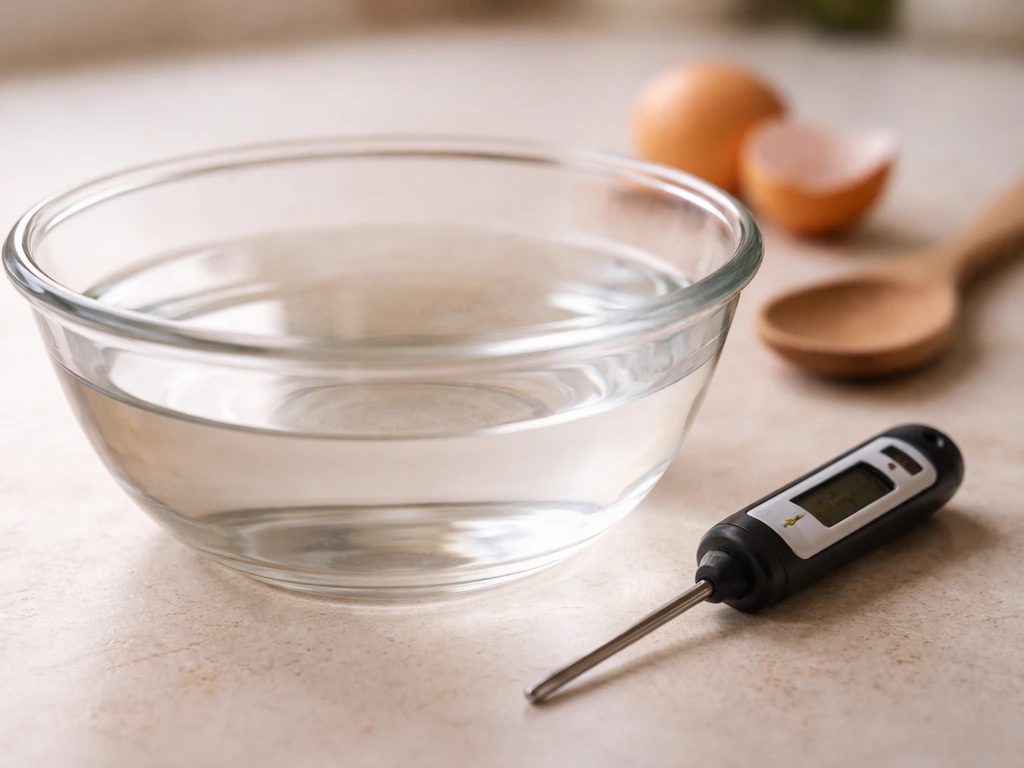
Use cool or lukewarm tap water. The official spec is a maximum of 95°F / 35°C, which translates to comfortably warm but not hot. Think the temperature of a warm bath, not boiling water. Water that is too hot can distort or partially melt the foam dinosaur inside before it has a chance to expand properly. Cold water will slow the process down but will not ruin it.
Pour in enough water to cover the egg by at least an inch. You will lose a little to evaporation over several days, so top it up daily to keep the egg fully under the surface.
Where to place the container
Set the container somewhere out of direct sunlight and away from heat sources like radiators or sunny windowsills. A countertop or table at room temperature is perfect. Direct sun heats the water past the safe threshold and promotes algae growth in a surprisingly short time. You also want a spot where the container will not be knocked over, since you should avoid moving or jostling the egg too much during the hatching phase. If you want deeper results, look up the specific dragon mystery grow egg instructions for your version before starting.
Day-by-day guide: what to expect and what to do
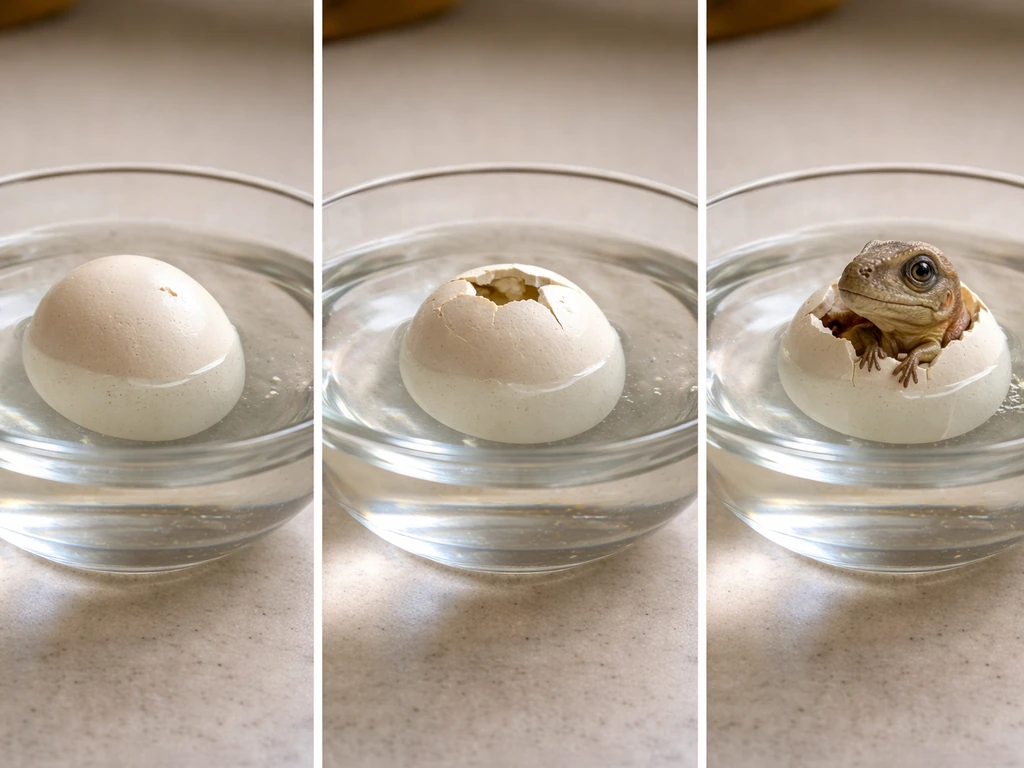
| Timeframe | What should happen | What to do |
|---|---|---|
| Hours 1-6 | Egg absorbs water; surface may show slight softening or color change | Leave it completely alone. Do not prod or squeeze the egg. |
| Hours 12-24 | Shell begins to crack and split; dinosaur starts pushing through | Check on it but resist the urge to pull the shell apart. Let the dino push through naturally. |
| After shell cracks | Shell pieces may float free; dino visible but compressed | Gently remove loose shell fragments with a spoon. Place the dino back in the water if you took it out briefly. |
| Days 2-3 | Dino continues to expand; foam fills out shape and color becomes clearer | Top up water if the level has dropped. Keep the dino submerged. |
| Days 3-5 | Dino reaches maximum size (up to nearly 10 inches for Megga version) | Remove the dino from the water when it stops growing. Pat dry or air dry if you want to keep it. |
The total timeline from placing the egg in water to a fully grown dinosaur is roughly three to five days for most versions. If you need the exact hatch and grow instructions for your specific kit, check the model details and timelines, since they can vary by version three to five days. The Megga Grow Egg may take the full five days to reach its maximum size because the compressed foam mass is so much larger. Smaller standard eggs are often done in two to three days after the initial hatch.
Troubleshooting: when things do not go to plan
Nothing is happening after 24 hours
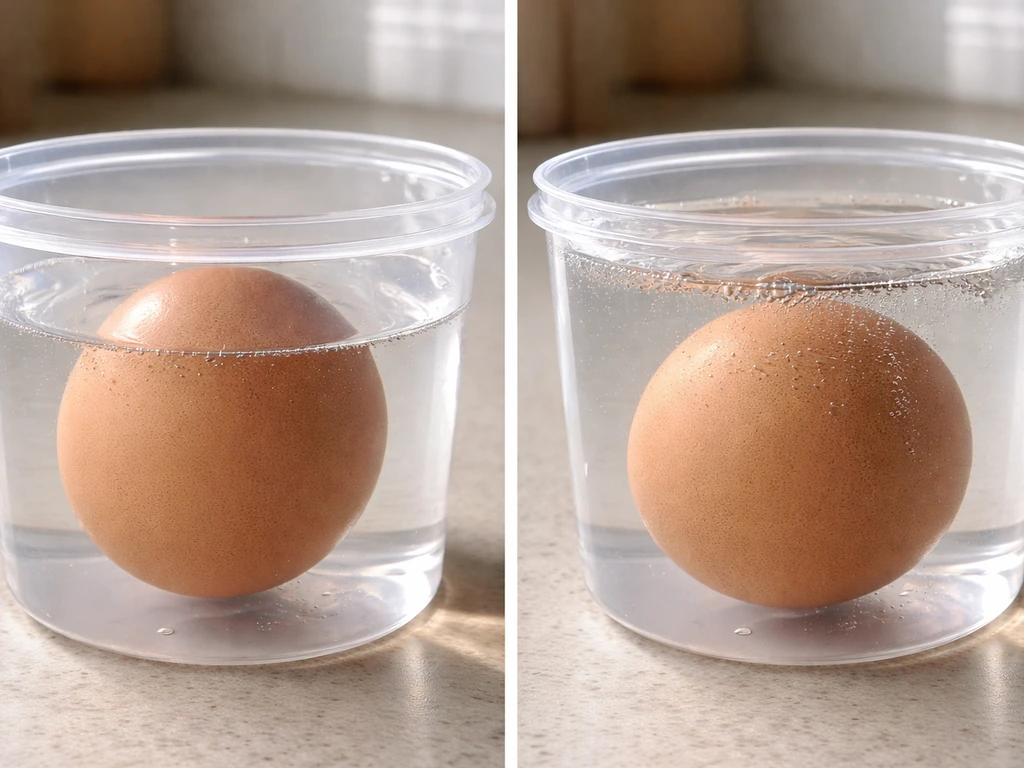
First, confirm the egg is fully submerged. If part of the egg is sticking up above the waterline, the shell on that exposed section will not soften. Add more water and push the egg under. Second, check the water temperature.
Cold water (below about 60°F / 15°C) slows the process significantly. If your room is cold, try replacing the water with slightly warmer water, staying under 95°F / 35°C. If you are past 36 hours with no visible cracking or softening at all, the shell may be unusually thick or the egg may have dried out before purchase.
Try gently (and gently is the key word) scoring a small nick in the shell surface with a fingernail to give the expansion somewhere to start.
Growth seems stuck or very slow after hatching
Once the dino is out of the shell, slow growth usually means the dino is not fully submerged, the water has gotten too cold, or the water needs to be refreshed. Do a full water change with fresh lukewarm water and make sure the dino is completely under the surface. Give it another 24 hours before worrying. Foam-based dinosaurs expand at an uneven pace, so you may see a burst of growth followed by a day with almost no visible change.
The water is turning cloudy
Cloudy water is normal after a day or two. Some of the shell material dissolves into the water, and the foam itself can release a little residue. It is not harmful and does not mean anything is wrong. If the water becomes very murky or develops a smell before the dino is fully grown, do a water change. Fill the container with fresh water at room temperature and continue. The dino will keep growing fine.
Mold or algae appears in the water
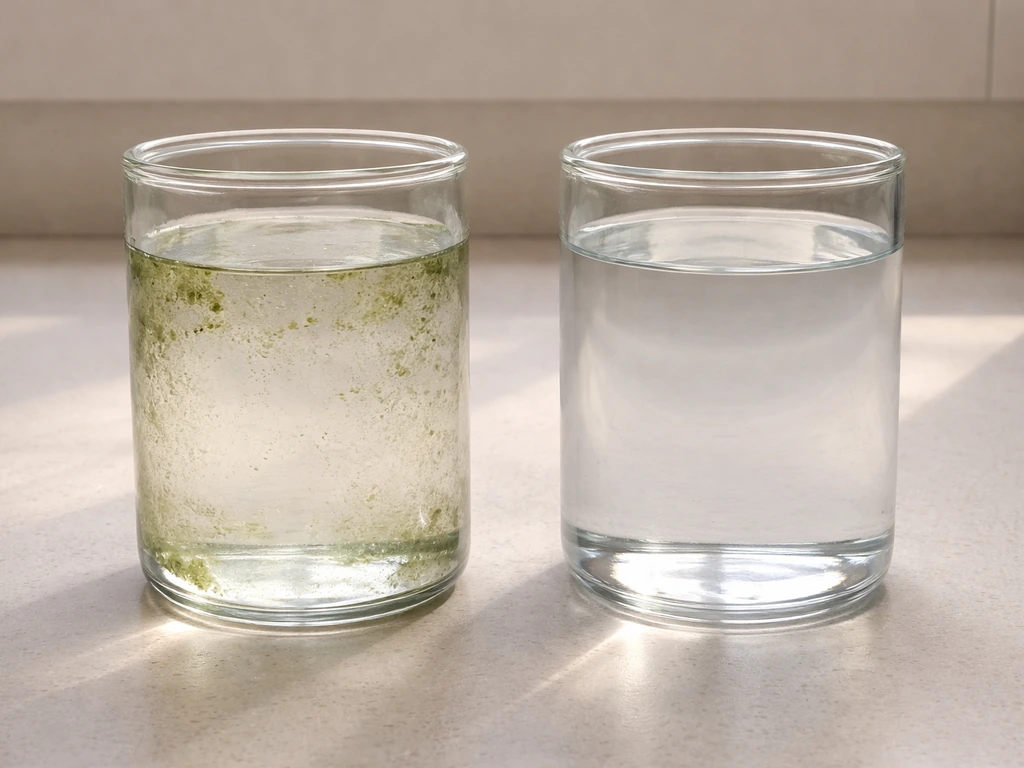
Mold or algae growth is almost always caused by two things: direct sunlight hitting the container, or water sitting unchanged for more than three or four days. Move the container away from any light source and do a complete water change immediately. Rinse the dino gently under the tap before placing it back in. Going forward, change the water every two days and keep it out of sunlight. If you see slimy growth directly on the dino, rinse it off carefully. A soft cloth or gentle rinse is fine, but do not scrub since the foam can tear when it is fully saturated.
Shell will not break or is hard to remove
Some eggs have a tougher outer shell than others. If the crack has started but pieces are stuck, it is fine to gently peel them away once the dino underneath has clearly started to push outward. Do not force shell off before the dino has expanded enough to create internal pressure, or you risk tearing the foam. If the shell has cracked in several places but is hanging on, give it another few hours in fresh water and most pieces will float free on their own.
Safety, storage, and knowing when to stop
Safety basics
These kits are rated for ages 4 and up, which tells you they are considered non-toxic under normal use, but the small shell fragments that break off can be a choking hazard for toddlers and pets. Collect and dispose of shell pieces as they come loose rather than leaving them at the bottom of the bowl. Do not let children drink the grow water, and wash hands after handling the dino, especially while it is wet and the shell residue is still dissolving off.
When the dino is fully grown
You will know the dino has reached full size when it stops visibly expanding between checks. For most standard eggs that is around three days in the water. The Ja-Ru Megga Grow Egg product listing says the egg takes about 24 hours to hatch and can take a couple of days to reach maximum size, around three days for most standard eggs [about three days in the water](https://www. sndkids.
com/products/ja-ru-megga-grow-egg-dino-world-258230). For a Megga Grow Egg it may be closer to five days. Once growth has stopped, remove the dino from the water and let it air dry on a towel. As it dries it will shrink back down noticeably.
That is completely normal for foam-based grow toys. If you want to regrow it later, just submerge it in fresh water again and the same process repeats, though the shell will obviously not regrow.
Storing the dino and disposing of the water
Store the dried dinosaur in a cool, dry place away from direct sunlight, which can fade the color over time. The grow water can be poured down the drain without any concern. Rinse out your container well after use since any shell residue left sitting can leave a light film. If the foam dino tears or the coloring runs significantly during the grow, that is a cosmetic issue with the specific unit rather than anything you did wrong. Most of these kits are inexpensive enough that a replacement egg is the simplest fix, and many multi-packs include extras for exactly that reason.
If you enjoyed this process and want to try a similar grow-egg kit with a different theme, the same water-submersion format applies to kits like super grow eggs, hatch n grow, and hatch and grow eggs, all of which follow the same core steps with small variations in expected size and grow time. The dragon mystery grow egg and mega grow egg formats are also worth exploring if you want a bigger finished creature.
FAQ
Can I grow multiple Dino Surprise grow eggs in the same bowl?
If you have more than one egg (multi-pack or Megga), grow each egg in its own container with enough water to fully cover it. Crowding can keep one egg partly above the waterline as it expands, which slows growth and can cause uneven cracking.
What water temperature should I use, and is hot tap water okay?
Use cool or lukewarm tap water and stay under 95°F (35°C). If your tap runs hot, let it cool before pouring. Hot water can deform the foam before it fully expands, so more warmth is not better.
Do I need to leave the egg completely undisturbed, or can I move the bowl?
Lightly tilting the container during the first 12 to 24 hours can dislodge the egg so an area dries out. If you must move it, do it quickly and keep the egg fully submerged the whole time, then return it to the same stable spot.
What should I do if the shell is cracked but pieces will not come off?
Stop trying to force shell removal once you see the dino is clearly expanding, but avoid pulling pieces off while the foam is still soft and not under pressure. If shell fragments are stuck after cracking, wait a few more hours in fresh lukewarm water instead of prying.
My dino is out of the shell but it is not growing. What now?
If it hatches but growth stalls, do a full water change and confirm complete submersion. Foam dinosaurs can also pause briefly, so check again after 24 hours before doing anything more drastic.
Is cloudy or smelly grow water normal, or should I change it?
Cloudy water is usually normal, but do not ignore strong odor, very heavy murkiness, or visible slime. If you notice those, dump the old water, replace with room-temperature or slightly warm fresh water, and rinse the dino gently before returning it.
How do I prevent mold or algae during the Dino Surprise grow egg process?
Darkening, slime, or algae is mainly from sunlight exposure or water left unchanged too long. Move the container away from light immediately, do a complete water change, rinse the dino gently, then change water every two days going forward.
If nothing happens after 36 hours, can I cut or score the shell?
Yes, a small “gentle scoring” can help only when the shell has not started softening or cracking after about 36 hours. Use a fingernail and make a tiny nick, then leave it alone again, since aggressive scoring can damage the foam.
What if the water level drops and the egg is barely covered?
Do not pour it into a smaller container that cannot keep the egg fully under water. Evaporation can reduce coverage, so check daily and top up to keep at least about one inch of water over the egg.
Is it normal for the dinosaur to shrink after it comes out and dries?
Once growth stops, air-dry the dinosaur on a towel. It will shrink as it dries, that is expected for foam-based grow toys, and you can submerge it again later to restart the cycle.
My foam dino looks discolored or the color runs. Did I do something wrong?
If the dino colors run or look uneven, it is usually a cosmetic issue tied to that unit rather than incorrect care. It will not affect the growth mechanics, but you can use fresh water and avoid sunlight to reduce further fading.
Is the water or the shell residue safe around kids and pets?
The kit is for age 4 and up, mainly due to choking hazards from small shell fragments and wet residue. Pick up shell pieces as they fall off, keep pets and toddlers away, and wash hands after handling.
What should I do with the used grow water and the bowl after the dino is fully grown?
The grow water itself can be poured down the drain after the kit is finished. Rinse the container afterward because remaining shell residue can leave a film.