In the grow kit and hydroponics world, 'jungle juice' almost always refers to Advanced Nutrients' Jungle Juice Grow/Micro/Bloom, a three-part liquid fertilizer system designed for hydroponic setups. You mix each part into water in a specific order, dial in the right dose for your plant's stage, and feed on a regular schedule. That's the whole workflow. If you've landed here hoping for a party drink recipe, this is the wrong place, but if you're trying to get your hydroponic or soil-based grow kit running reliably, you're in exactly the right spot.
Jungle Juice Grow Instructions: Step-by-Step Guide

Marcus Thornfield
29 May 2026
What 'Jungle Juice' means for DIY grow kits
Advanced Nutrients' Jungle Juice is what the company describes as an 'old school' three-part base nutrient system. You get three bottles: Micro, Grow, and Bloom. Each one delivers a different mix of nutrients, and you combine all three into your reservoir water at doses that shift depending on what stage your plants are in. Think of it as a precision feeding program rather than a single magic bottle you pour in and forget.
The three parts cover the full nutrient spectrum. Micro handles micronutrients and acts as the foundation of every mix. Grow adds nitrogen-heavy nutrition during the vegetative stage. Bloom shifts the formula toward phosphorus and potassium as plants move into flowering. Together, they give you control that a single all-in-one fertilizer can't match, which is exactly why growers who run systems like deep water culture, NFT (nutrient film technique), aeroponics, drip systems, flood-and-drain tables, and even coco coir use it.
One thing worth saying upfront: this is a chemical fertilizer system, not a compost tea or fermented brew. Some gardeners use the word 'jungle juice' loosely to describe any dark, funky-smelling liquid they mix up for plants, including compost teas or manure leachates. Those brews are a completely different animal with their own safety considerations around pathogen control and aeration. What we're covering here is the packaged, tested Jungle Juice product line, which is straightforward to use safely as long as you follow basic handling guidelines.
Supplies, setup, and what to do before you start
Before you mix a single drop, get your workspace and materials sorted. Running a 3-part system with nothing measured or prepared is how beginner mistakes happen. Spend 20 minutes on setup and you'll save yourself a lot of frustration later.
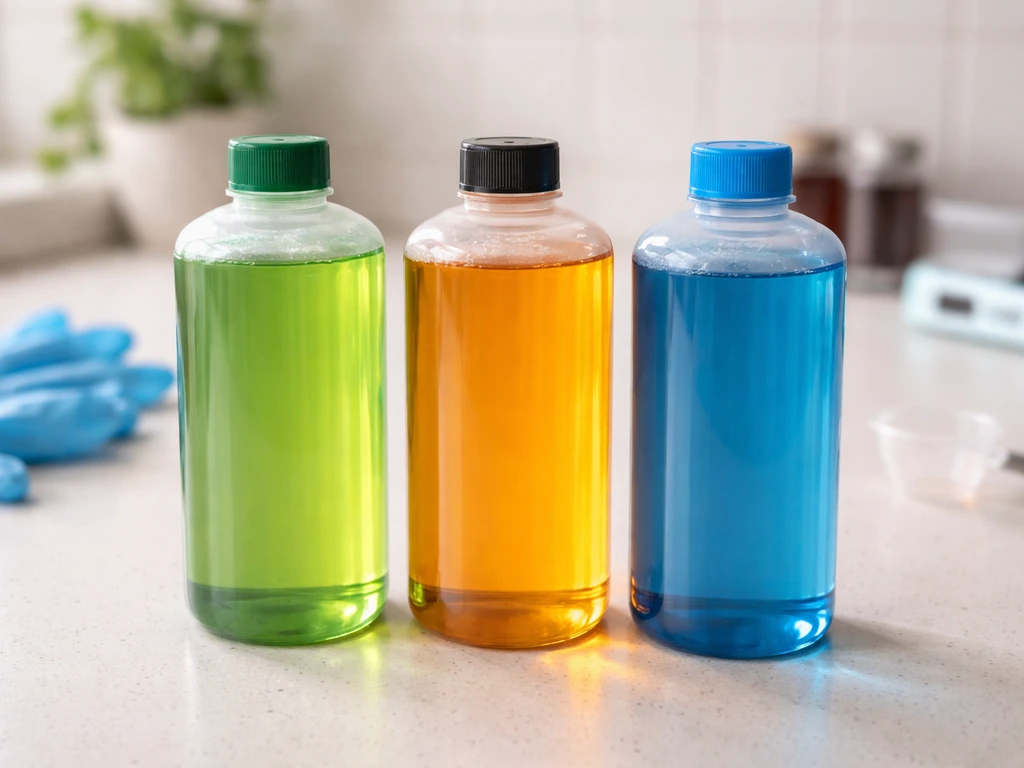
- Jungle Juice Micro, Grow, and Bloom bottles (all three are required for every mix)
- Clean water, ideally filtered or RO (reverse osmosis) water if your tap water is very hard
- A measuring cup or syringe with mL markings (accuracy matters here)
- A reservoir or mixing bucket appropriate for your system
- A pH meter or pH test kit (this is not optional)
- pH Up and pH Down solutions for adjusting after mixing
- A TDS or EC meter for checking nutrient strength (optional but highly recommended)
- Protective gloves (the SDS for Jungle Juice Grow specifically recommends them)
- The feeding chart for your bottle size (downloadable from Advanced Nutrients; available in mL/L or mL/gallon formats)
Download the official Jungle Juice feeding chart before you do anything else. For the stage-by-stage dosing details, the Jungle Juice feed chart PDF provided via Goldleaf Hydroponics organizes the measurements in a structured table blank" rel="noopener noreferrer">Download the official Jungle Juice feeding chart before you do anything else.. blank" rel="noopener noreferrer">Advanced Nutrients provides it in both metric (mL per 100L) and US formats (mL per gallon), and the chart breaks dosing into growth stages: Cuttings and Seedlings, Small Plants, Grow Phase, Transition to Bloom, and Bloom Phase. Having this in front of you while you mix is the single most useful thing you can do as a beginner.
Also make sure your grow system itself is clean. Residue from previous nutrient runs, algae, or old roots left in a reservoir can throw off your pH, introduce contaminants, and give you a headache you don't need. Rinse reservoirs and lines with clean water, and if you're starting a fresh cycle, consider a light hydrogen peroxide rinse followed by a plain water flush.
Step-by-step grow instructions from start to finish
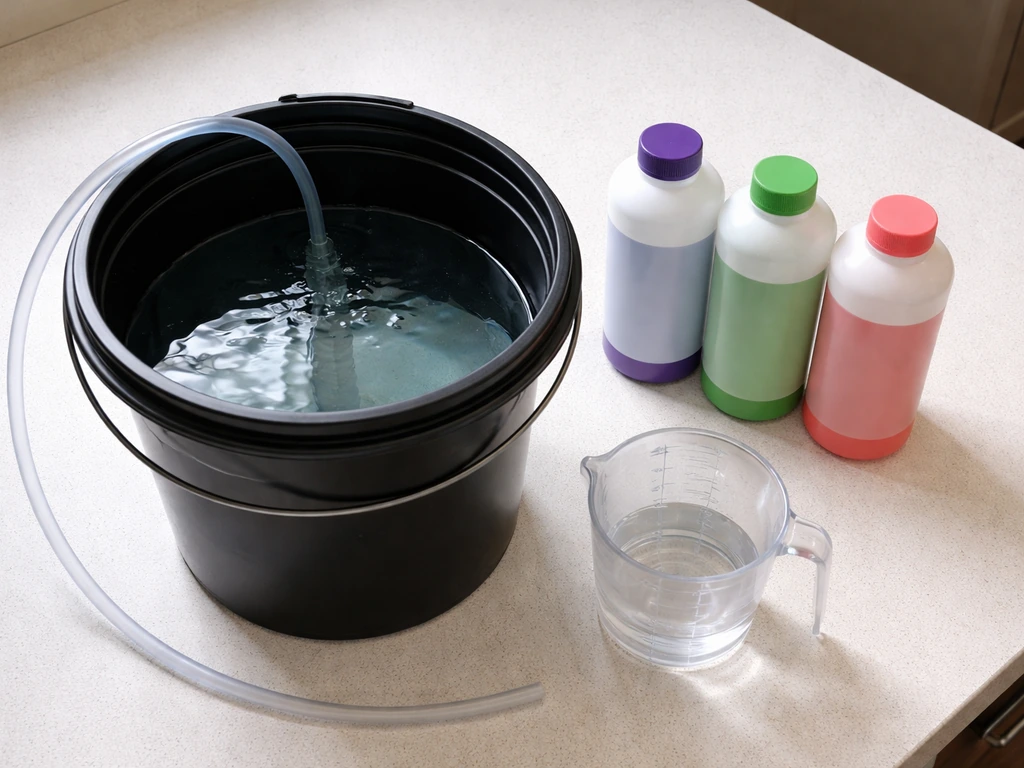
The order in which you add the three parts to water is not flexible. Mixing Micro directly with Grow or Bloom before diluting in water can cause nutrient lockout from chemical reactions between the concentrates. Always follow this sequence.
- Fill your reservoir or mixing bucket with your target volume of clean water first.
- Add Jungle Juice Micro first. A common starting example: 8 mL of Micro per gallon of water. Stir or circulate thoroughly before adding anything else.
- Add Jungle Juice Grow at the dose listed for your current plant stage. Mix again.
- Add Jungle Juice Bloom at the dose for your stage. Mix thoroughly once more.
- Check your pH. Target 5.6 for most hydroponic systems, 5.8 to 6.0 for coco coir, and around 6.3 if you're growing in soil.
- Adjust pH up or down using your pH adjuster solutions, a few drops at a time, until you hit your target range.
- Check your EC or TDS if you have a meter. Compare to the expected range for your plant stage. If it's too high, dilute with more clean water.
- Deliver the solution to your plants through your system (drip emitters, flood tray, DWC reservoir top-up, etc.).
For seedlings and cuttings, start at the low end of the feeding chart dosage. Young plants are sensitive and will show nutrient burn (brown, curled leaf tips) if you push full doses too early. You can always scale up; recovering from burn takes longer.
As your plants move from vegetative growth into flowering, the ratio of Grow to Bloom shifts. During the Grow Phase you'll use more Grow and less Bloom. As you transition, Bloom climbs and Grow drops. The feeding chart walks you through each stage explicitly, so follow it rather than guessing. Micro stays fairly consistent throughout.
Care schedule: light, water levels, temperature, and maintenance
Light
Jungle Juice doesn't change your lighting requirements, but getting light right is what makes the nutrients actually pay off. Seedlings and clones generally want lower-intensity light (CFL or LED on a gentle setting) for the first week or two. Vegetative growth benefits from 18 hours of light and 6 hours of darkness. Flowering typically needs a 12/12 light-dark split. If you're running a kit designed for herbs or greens that don't flower, 16 hours on and 8 off works well for most leafy crops.
Reservoir and solution levels
Top up your reservoir with plain, pH-adjusted water between full nutrient changes to replace what plants drink. Don't top up with fresh nutrient solution repeatedly without a full reservoir change, because the ratio of nutrients to water shifts as plants consume different elements at different rates. A full reservoir change every 7 to 10 days is a reasonable starting cadence for most home hydroponic systems, though plants in fast growth may need it more frequently.
Temperature
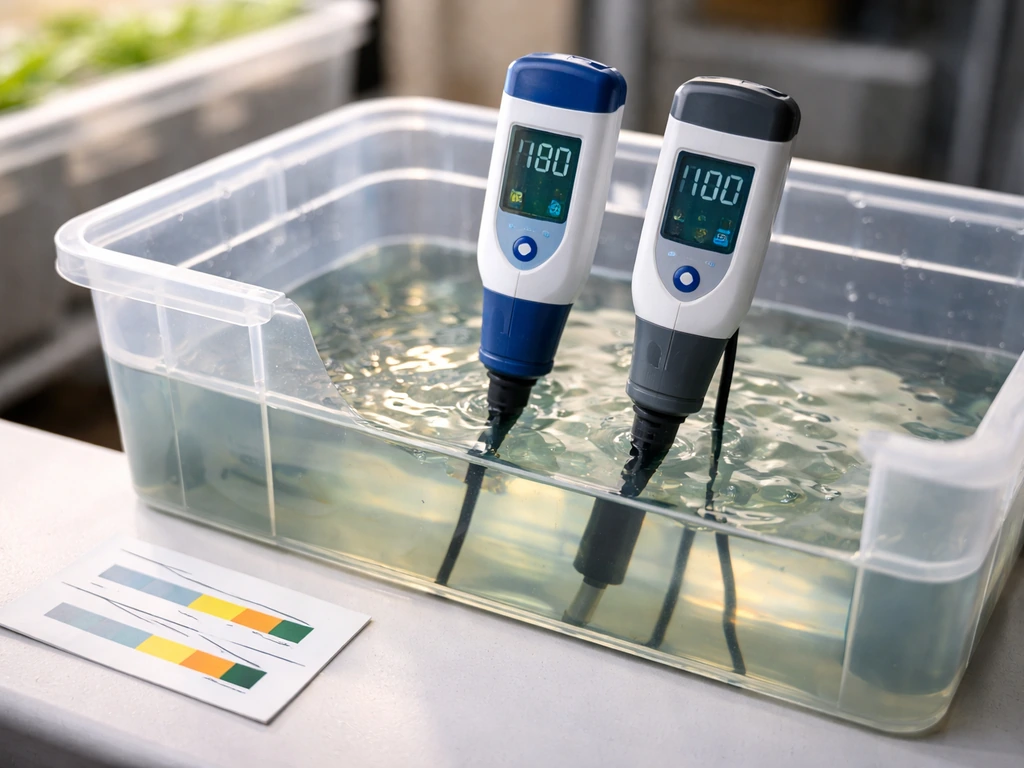
Keep your reservoir water between 65°F and 72°F (18°C to 22°C). Warmer water holds less dissolved oxygen, which stresses roots and encourages harmful bacteria. If your reservoir is in a warm room, a small aquarium chiller or even frozen water bottles can help. Root zone temperature matters as much as air temperature in a hydroponic setup.
Routine maintenance
- Check pH every 1 to 2 days, especially in the first few weeks. It drifts more than you expect.
- Check water level daily during warm weather or fast growth phases.
- Inspect roots weekly for browning, sliminess, or unusual smell.
- Clean and sanitize your system between full grow cycles, not just a quick rinse.
- Wash your hands thoroughly after handling nutrient concentrates, as recommended on the product SDS.
Troubleshooting common problems
No growth or slow growth
This almost always comes down to pH being out of range. If your solution pH is off, plants literally cannot absorb nutrients even if the solution is perfectly mixed. Check pH first, every time. The second most common cause is insufficient light. Check that your light source is appropriate for the stage and that it's actually close enough to the canopy. Finally, confirm your reservoir temperature isn't too cold (below 60°F can slow roots significantly) or too warm.
Algae and green slime
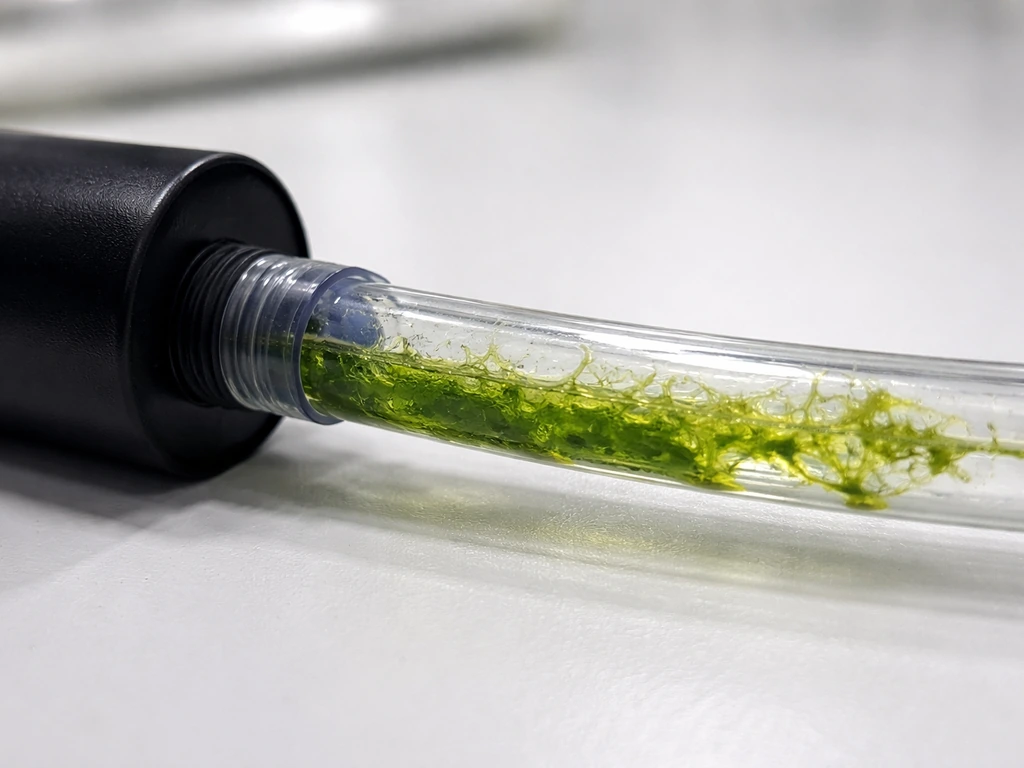
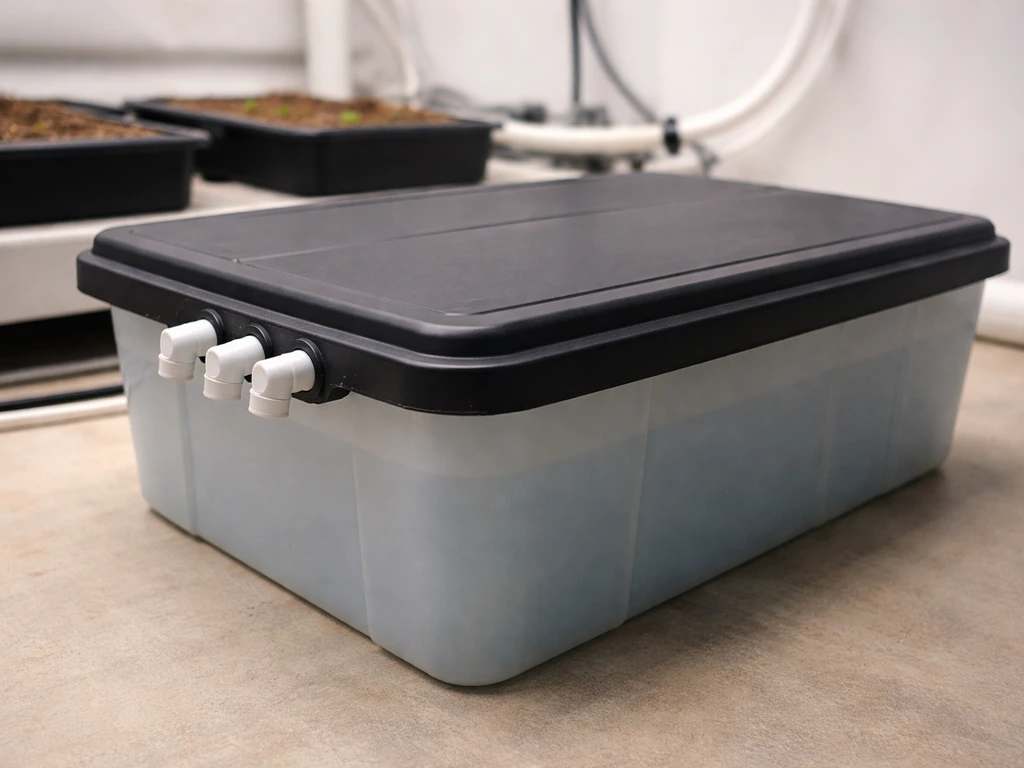
Algae grows when light gets into your reservoir or system. Block all light exposure with opaque reservoir lids, tape, or covers. Nutrient solution sitting in clear tubing or a transparent reservoir will grow algae fast. If you already have algae, drain the system, scrub with diluted hydrogen peroxide (3%), rinse thoroughly, and restart with a fresh nutrient solution. Algae competes with your plants for oxygen in the water and can clog emitters and pumps.
Root rot and off smells
A sulfur or rotten smell from your reservoir usually means anaerobic bacteria are taking over, often because dissolved oxygen levels are too low. Make sure your air pump and air stones are working properly and that water temperature isn't too high. Brown, slimy roots instead of white, firm ones are the visual sign. Beneficial bacteria products (like Hydroguard) can help prevent this, and they're compatible with Jungle Juice. If roots are already badly rotted, act fast: drain, sanitize, and refresh the solution.
Nutrient burn
Yellow or brown, crispy leaf tips are classic nutrient burn. It means your solution is too concentrated for the current plant stage. Drop your doses back to the lower end of the feeding chart range and flush with plain pH-adjusted water once before resuming feeding. This is especially common when growers skip the seedling dosage and jump straight to full Grow Phase amounts.
Nutrient deficiencies
Yellow leaves starting from the bottom (older growth) often indicate a nitrogen deficiency, which means you may need to increase your Grow component slightly or check that your pH isn't locking out nutrients. Yellowing between the veins of newer leaves can point to a micronutrient issue. Before you add extra anything, verify your pH is in the correct range for your media type, because deficiency symptoms and lockout symptoms look almost identical.
Pests
Fungus gnats are the most common pest in home grow setups, and they love wet growing media. If you're in a hydroponic system, let the top of any exposed media dry slightly between waterings where possible. Yellow sticky traps placed near the base of plants help you catch and monitor them. Spider mites show up when conditions are hot and dry. Check the undersides of leaves regularly. Keep your growing area clean and your humidity in a reasonable range (50 to 70% RH for most crops during veg) to make the environment less inviting.
Mold on plants or media
White powdery mold or gray fuzzy mold (botrytis) usually signals too much humidity and not enough airflow. Add a small fan to circulate air around your canopy. Reduce humidity if you can. Remove affected leaves immediately to stop spread. Mold on the surface of growing media like coco or rockwool can sometimes be controlled by reducing watering frequency slightly, since surface moisture is what mold needs to establish.
Harvest, timing, and running the next cycle safely
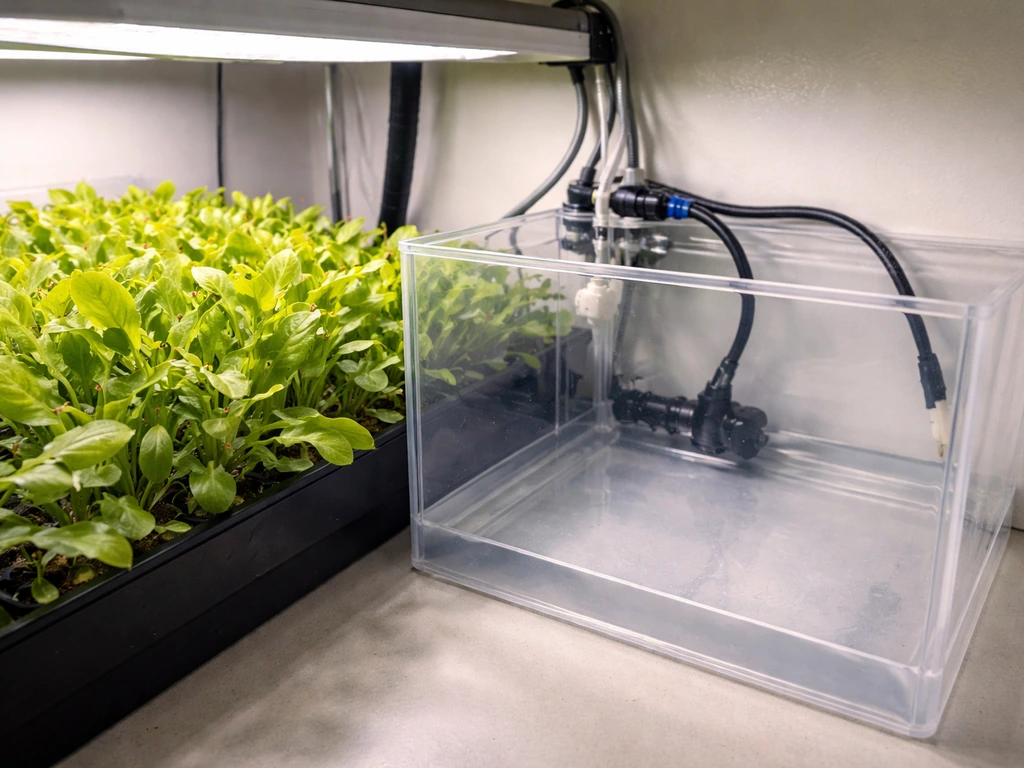
Harvest timing depends entirely on what you're growing, but the Jungle Juice feeding schedule gives you a clue. If you are looking for grow it carnivorous plants kit instructions, use the same step-by-step logic and adjust the dose and light level to match the specific plant needs Jungle Juice feeding schedule. Once you're through the Bloom Phase (or the final growth stage for non-flowering crops), most growers run a plain water flush for the last 5 to 7 days before harvest. This means switching from nutrient solution to pH-adjusted plain water only. The goal is to clear residual salts from the growing media and plant tissue, which improves the taste and quality of edible crops.
After harvest, don't skip the system cleanup before the next run. Drain your reservoir completely. Rinse all lines, emitters, and the reservoir itself with clean water, then run a diluted hydrogen peroxide solution through the system (about 3 to 5 mL of 3% H2O2 per liter of water) and let it sit for 30 minutes. Flush with plain water again. This clears biofilm, old root matter, and salt deposits that would otherwise carry over and cause problems in the next cycle.
For the next cycle, start fresh: new nutrient solution mixed from scratch, pH checked and dialed in, reservoir temperature verified. If you're propagating cuttings from a mother plant, give them a week or two in plain pH-adjusted water (or very low-strength Micro only) before introducing the full three-part mix. Pushing Grow and Bloom on unrooted cuttings stresses them unnecessarily.
If you're running a kit that grows something other than traditional hydroponic crops, like a jungle animal grass grow kit or a pet grass self-grow kit, the feeding principles translate but the scale is much smaller. If you’re following jungle animal grass grow kit instructions, the main idea is still to start with the right doses for the growth stage.
For specific animal planter grow kit instructions, follow the same feeding logic but adjust the dosage to the smaller reservoir and growth stages your kit provides pet grass self-grow kit. If you are using a pet grass self-grow kit, follow the kit's small-scale feeding schedule and scale down the Jungle Juice dosing accordingly.
Those kits often come with their own nutrient sachets, but Jungle Juice can supplement them if you scale the dosage way down (think drops, not milliliters, per small reservoir volume).
Quick checklist and decision tree for what to do today
Use this to quickly figure out where you are and what action to take right now.
| What you're seeing | Most likely cause | Do this today |
|---|---|---|
| No growth, plants look stuck | pH out of range or light too weak | Check and correct pH first (5.6 hydro, 5.8-6.0 coco, 6.3 soil), then check light intensity and duration |
| Yellow or brown leaf tips | Nutrient burn from too-high concentration | Flush with plain pH-adjusted water, reduce dose to lower range on feeding chart |
| Yellow leaves from bottom up | Nitrogen deficiency or pH lockout | Check pH, then slightly increase Grow component if pH is correct |
| Slimy roots, rotten smell | Root rot from low oxygen or high water temp | Check air pump, lower water temp to under 72°F, consider adding beneficial bacteria |
| Green slime in reservoir or tubing | Algae from light exposure | Block all light from reservoir, drain and sanitize, restart with fresh solution |
| White or gray fuzz on leaves/media | Mold from high humidity and low airflow | Add a fan, remove affected material, reduce surface moisture |
| Tiny flies near media | Fungus gnats | Place yellow sticky traps, let media surface dry slightly between waterings |
| Dots or webbing on leaf undersides | Spider mites | Increase humidity slightly, inspect and treat with neem oil or insecticidal soap |
| System ready, starting fresh | New cycle setup | Mix Micro first into clean water, add Grow, add Bloom, check pH, verify temperature |
If you're not sure where to start, the fastest path is always: check pH, check water temperature, check your light. Those three things account for the vast majority of 'why isn't this working' moments in any hydroponic grow kit system. Get those right and Jungle Juice will do what it's designed to do.
One last practical note: always wear gloves when handling the concentrate bottles, wash your hands after mixing, and keep the bottles stored away from direct sunlight and out of reach of kids. This is a tested, safe fertilizer product when used as directed, but the concentrates are potent and not something you want splashed on skin repeatedly. Treat it with the same respect you'd give any chemical fertilizer, and you'll have no issues.
FAQ
Can I use Jungle Juice in soil, not just hydroponics?
Yes, but you generally need better drainage and runoff control. Soil can buffer nutrients differently than hydro systems, so start at the low end of the chart, use smaller reservoir changes (or measure runoff EC if you track it), and avoid letting nutrient solution pool in saucers, which can cause salt buildup.
What pH should I target, and does it change by grow stage?
Keep pH within the product and media recommendations for your specific setup, and do not assume the same number will always work across different media (coco, rockwool, DWC, and soil mixes behave differently). If you see repeated pH drift over a day, treat it as a sign of media buffering issues or insufficient system cleaning, not just “normal variation.”
Do I ever mix Jungle Juice Micro, Grow, and Bloom directly into the reservoir without measuring?
No. For a three-part system, “eyeballing” tends to cause uneven ratios and nutrient lockout or burn. Measure with the same tools each time, mix in the correct order into water (not concentrates into other concentrates), then recheck pH after everything is fully combined.
How do I handle top-offs if I want to keep the same nutrient strength?
Top up with plain pH-adjusted water only, because plants consuming different ions changes the nutrient ratio even if total volume stays similar. If you want to maintain a specific strength (EC or ppm), you must periodically refresh the entire solution rather than trying to “rebalance” with extra parts on top of old mix.
My leaves burn even though I used the feeding chart. What’s the most common hidden cause?
Usually the solution is correctly mixed but the plant is getting too much light too soon, or the pH is out of range. Verify both before reducing doses, because correcting only one factor often results in repeating the same symptoms a few days later.
Is a flush always necessary before harvest?
For edible crops, many growers use a 5 to 7 day plain water flush, but you can also reduce salts with a shorter flush if your plants tolerate it. The key is to keep pH-adjusted plain water and avoid letting temperature and oxygen drop during the flush, since stale water can still stress roots.
Can I reuse an old reservoir for the next batch to save time?
Avoid it. Old solutions carry biofilm, decaying roots, and shifted ion ratios that can cause unexplained pH swings, clogged lines, and inconsistent plant responses. The article recommends full drain, line rinse, peroxide sanitize, and fresh mixing for a reason.
What should I do if the reservoir smells bad but roots look okay?
Don’t ignore it. Odor can mean dissolved oxygen is low or anaerobic pockets are forming, which often precedes visible root rot. Increase aeration first, confirm the chiller or room temperature is in range, and check that air stones are producing fine bubbles consistently.
How can I prevent algae besides covering the reservoir?
Keep tubing and any water-exposed surfaces light-proof, and avoid placing reservoirs where sunlight hits through a window or reflective surfaces. Also, reduce “spillover” light leaks from indicator strips or open top reservoirs, because even small light paths can seed algae growth quickly.
Are nutrient lockout symptoms the same as deficiency symptoms?
They can look similar (yellowing, weak growth, brown tips). A practical approach is to test pH first and confirm media compatibility, then only adjust dosing after pH is stable for at least 24 hours. If pH keeps drifting, focus on cleaning or media buffering rather than adding more nutrients.
Can I run Jungle Juice with beneficial bacteria products, and how should I start?
Compatibility is generally possible, but introduce them carefully and avoid changing multiple variables at once. Start beneficial products at the recommended dose, keep water temperature steady, and watch oxygen and pH for the next couple of days, since bacterial activity can influence both.
What’s the right way to sanitize between cycles if I don’t have hydrogen peroxide?
If you cannot use peroxide, do not guess with household cleaners. Use an approved hydroponic sanitizer or follow kit-specific guidance, then flush thoroughly with plain water. Inadequate sanitizing can cause carryover biofilm, which often leads to recurring anaerobic smells and algae or slime formation.
Do I need to adjust light after switching nutrients or starting Jungle Juice for the first time?
You should not change nutrients to compensate for incorrect lighting. If you start Jungle Juice at a higher stage dose than your light intensity supports, plants may burn or stall. Keep lighting progression aligned with the feeding chart stages, especially during the first week after transplant or rooted cuttings.
For small kits (like pet grass or animal grass setups), how do I avoid overfeeding when scaling down?
Scale by reservoir volume and use the same stage logic, but dose much more conservatively because small systems swing faster. Instead of converting “mL per gallon” to exact numbers and rounding up, consider starting with a lower fraction and observing growth for several days before increasing. If your kit includes its own sachets, follow its baseline schedule and only supplement if needed.