
Mix Sensi Grow A and B by filling your reservoir or mixing container with room-temperature water first, then adding Part A at your target dose (typically 1 to 4 mL per liter depending on your growth stage), stirring well, and only then adding the same amount of Part B and stirring again. Never combine A and B together in concentrate form before adding to water. That order matters more than almost anything else in this system, and getting it wrong is the single most common cause of nutrient problems with this product.
How to Use Sensi Grow A and B Step-by-Step Guide

Marcus Thornfield
11 Jul 2026
What Sensi Grow A & B actually are and when to use them
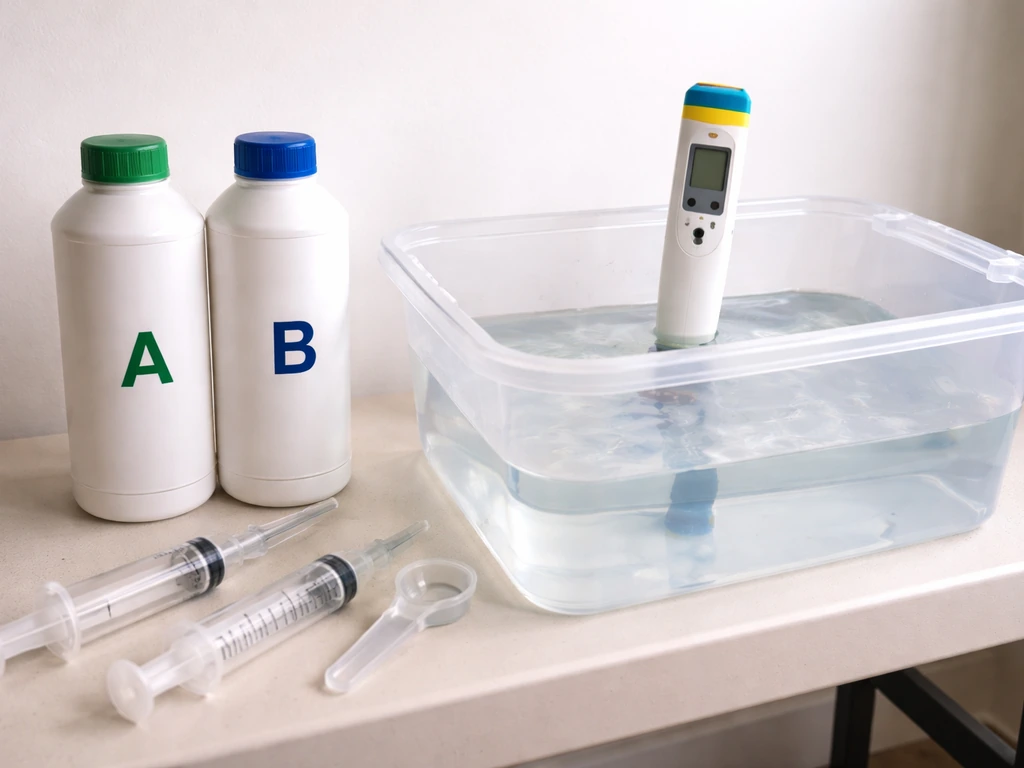
Sensi Grow A & B is a two-part base nutrient system made by Advanced Nutrients, designed specifically for the vegetative (growth) phase of a plant's life. Part A carries amino acid complexes that help your plants absorb nutrients more efficiently. Part B delivers the precise NPK (nitrogen, phosphorus, potassium) ratio your plants need to build strong roots, stems, and leaves before flowering begins.
The reason it comes as two separate bottles is chemistry. Certain nutrients react badly when stored together in high concentration. Keeping them apart in the bottle means they stay stable on the shelf. When you dilute each one separately into your reservoir water, those reactions don't happen, and your plants get everything they need. If you're using a two-part nutrient system for the first time, this is the key thing to internalize: the two bottles are always used together, never alone, and never mixed concentrate-to-concentrate.
Use Sensi Grow A & B from the seedling stage through the end of vegetative growth. Once your plants transition to flowering, you would switch to the corresponding Bloom A & B products. For most grow kit setups, the vegetative phase runs anywhere from two to eight weeks depending on what you're growing.
Water quality, tools, and mixing ratios: the basics
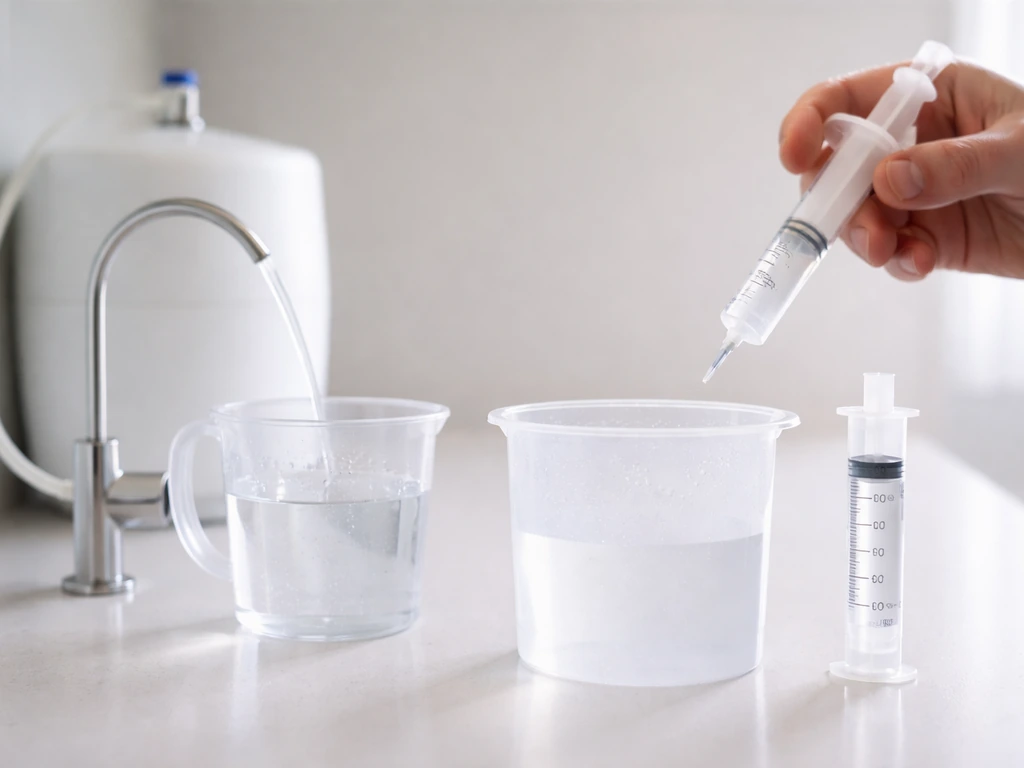
Water quality makes a bigger difference than most beginners expect. Advanced Nutrients officially recommends using reverse osmosis (RO) or distilled water when preparing stock tank concentrate mixes. For home grow kits, that typically means using RO or distilled water whenever possible. Tap water can work, but it introduces an unknown baseline of minerals that affects your actual EC (electrical conductivity, a measure of nutrient strength) and can throw off the pH Perfect buffer in the formula. If you're on tap water and noticing problems, switching to RO or distilled is usually the first thing worth trying.
You'll want a few basic tools before you start. A measuring syringe or graduated pipette (1 mL and 5 mL sizes cover most home grows), a clean mixing container or reservoir, and ideally a digital pH and EC meter. The pH Perfect version of Sensi Grow is marketed as self-buffering, meaning it's supposed to hold pH in the right range without manual adjustment. For specific germination and early-growth results, follow a nature's blossom seed starter kit plan for sowing depth, watering, and warm, steady conditions nature's blossom sow and grow seed starter kit instructions. In practice, that works well with RO or distilled water, but with hard tap water you may still need to check and correct manually. Target pH for your Sensi Grow solution is 5.5 to 6.3.
Dosing is measured in milliliters per liter (mL/L) of water. You add equal amounts of Part A and Part B at every feeding. If you want step-by-step support, follow the sow and grow instructions alongside these dosing and mixing basics. So if your dose is 2 mL/L and you're filling a 10-liter reservoir, you'd add 20 mL of Part A and then 20 mL of Part B. The dose itself changes by growth stage, not the A-to-B ratio, which is always 1:1.
How to mix and dose: the step-by-step sequence
- Fill your reservoir or mixing container with clean, room-temperature water first. Never add nutrients to an empty container and then add water on top.
- Shake bottle A before opening. Measure the correct amount of Part A for your reservoir volume using a syringe or pipette.
- Pour Part A into the water. Stir or agitate the solution thoroughly for at least 30 seconds until it's fully mixed.
- Measure the same amount of Part B. Add it to the water and stir thoroughly again.
- Check your pH with a calibrated pH meter. Target range is 5.5 to 6.3. Adjust up or down only if you're outside that range.
- Check your EC or TDS (total dissolved solids) if you have a meter. Compare to the target range for your current growth stage.
- Use the mixed solution within 24 to 48 hours for best results. Don't let it sit for days before use.
The biggest thing to repeat here: Part A goes in first, always. If you want the simplest way to follow the correct dosing steps, use the Sensi Grow instructions for mixing and adding Part A and Part B in the right order. blank" rel="noopener noreferrer">Mixing them out of order or trying to pre-mix A and B in concentrate form before adding to water can cause a chemical reaction that locks out nutrients and makes them unavailable to your plants. You won't necessarily see anything dramatic happen in the bucket, but your plants will start showing deficiencies within days.
Feeding schedule by growth stage and how to adjust strength
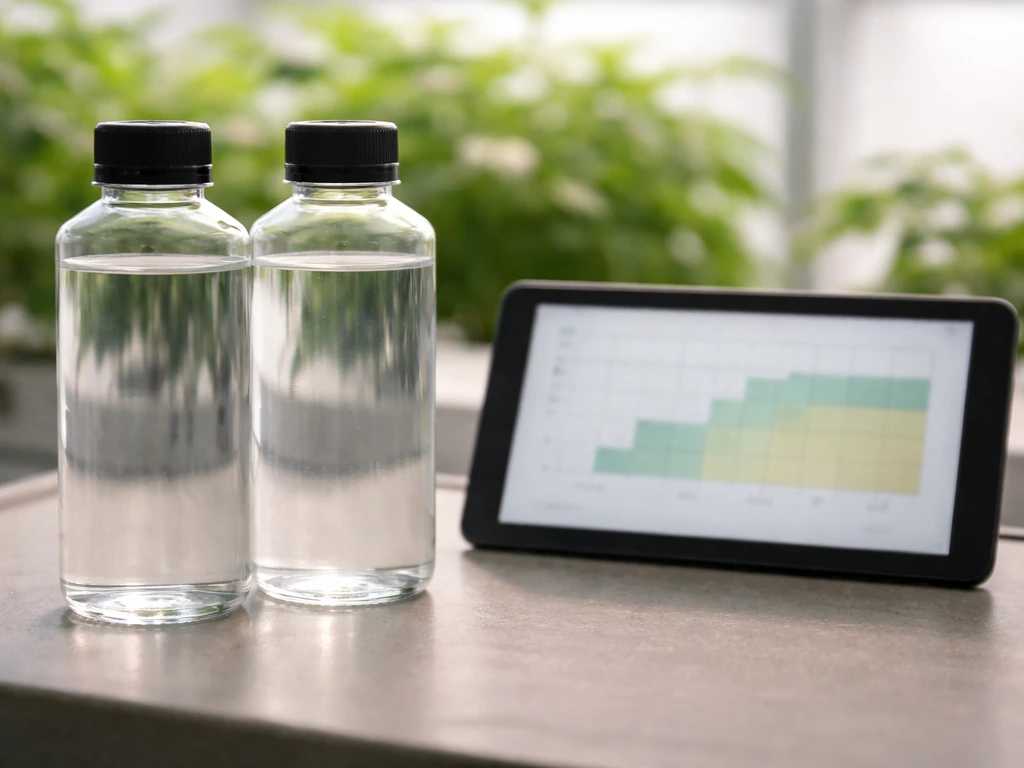
Start low and ramp up. New growers consistently over-feed, which causes more problems than under-feeding. Here's a practical schedule for a standard vegetative growth cycle using Sensi Grow A & B:
| Week | Dose per Liter (A & B each) | Target EC (approx.) | Notes |
|---|---|---|---|
| Week 1 (seedling/early veg) | 1 mL/L | ~0.5–0.8 mS/cm | Start here regardless of what the chart says. Young roots are sensitive. |
| Week 2 | 2 mL/L | ~1.0–1.2 mS/cm | Increase only if plants look healthy and green with no tip burn. |
| Week 3 | 3 mL/L | ~1.4–1.6 mS/cm | Mid-veg push. Good time to start checking runoff EC. |
| Week 4+ (full veg) | 4 mL/L | ~1.8–2.0 mS/cm | Max recommended dose for most home grow setups. |
These are guidelines, not rules carved in stone. Your actual plants are the best guide. If leaves look deep green and healthy, you're doing well. If tips start going brown or leaves are curling, drop back to the previous week's dose. If growth is slow and leaves look pale yellow-green, you can try stepping up slightly sooner than the schedule suggests.
If you don't have an EC meter, volume-based dosing (measuring mL by syringe) still works, especially with RO or distilled water. The mL/L values above come directly from Advanced Nutrients' own feed chart. If you're using tap water, the actual nutrient strength in your solution will be higher than these numbers suggest because tap water already contains dissolved minerals. That's another reason why EC measurement gives you the clearest picture.
Advanced Nutrients also publishes feed charts in mL per US gallon if you prefer working in those units. Just keep the A-to-B ratio equal at whatever dose you use.
Common mistakes and how to troubleshoot them
Mixing in the wrong order
If you added B before A, or mixed A and B concentrates together before diluting, do not use that solution on your plants. Discard it, clean your container, and start fresh with A first. If you want to avoid that same issue, follow the correct grow pod feeding steps: add Part A first, then Part B, and never mix the concentrates together before diluting. The chemical precipitation that happens when concentrated A and B contact each other directly can create compounds your plants cannot absorb, causing deficiency symptoms even though technically nutrients are present.
pH out of range
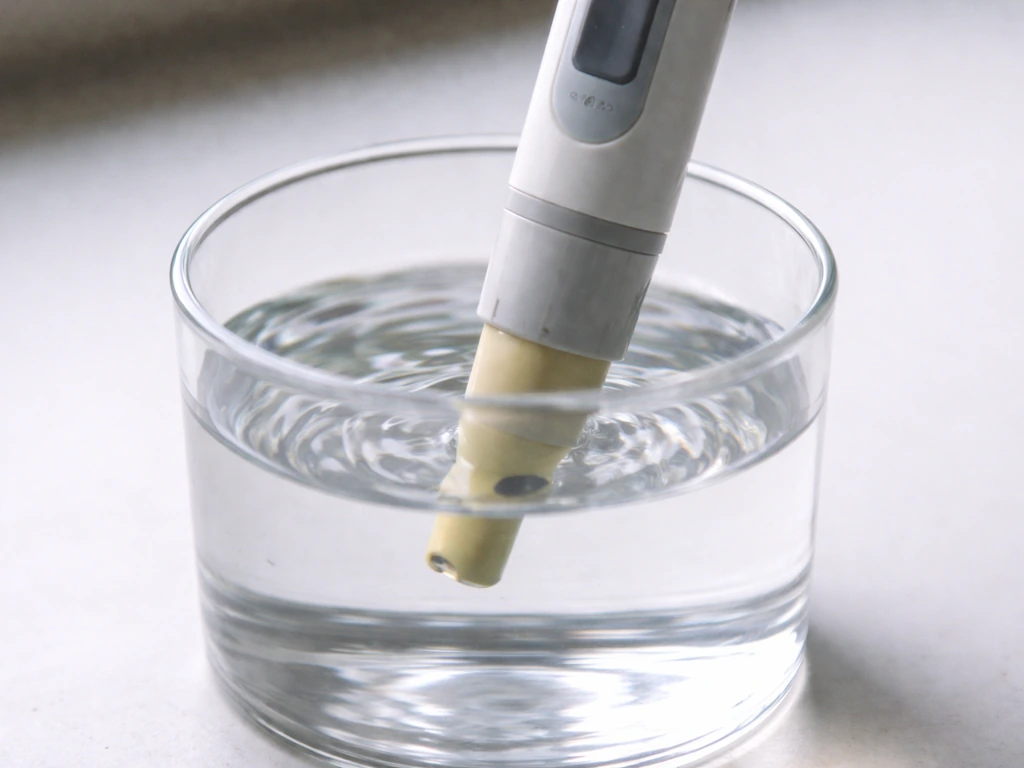
If your pH sits outside 5.5 to 6.3 after mixing, nutrients start becoming unavailable even if your EC looks fine. This is called nutrient lockout. With RO water, the pH Perfect formula usually handles itself. With tap water, especially hard tap water, you may need to manually adjust using pH Up or pH Down solutions. Always check pH after adding both A and B, not before. Adding nutrients changes the pH of your water.
EC too high or rising over time
If your reservoir EC keeps rising between feedings, your plants are drinking water but leaving nutrients behind. This is a sign the dose is too strong for your plants' current stage or conditions. Drop your dose back by one step, and top off with plain water (no nutrients) until your EC comes back down into the target range. Don't just add more water on top of a full reservoir without removing some first.
Clogs in drip lines or emitters
Clogged lines are almost always caused by the chemical precipitation problem mentioned above, or by nutrient salts building up over time. Flush your lines with clean water regularly, and if you suspect a mixing error caused a precipitation event, flush your entire system before reintroducing nutrients. Running plain water for a day helps clear buildup.
Inconsistent dosing
Eyeballing nutrients instead of measuring them precisely is a very common mistake. Even a small difference in mL per liter adds up across a full reservoir. Use a syringe every time, rinse it between Part A and Part B, and be consistent with your water volume measurements too.
How to tell if things are going well
Healthy plants on Sensi Grow A & B should show medium to deep green leaves, steady growth each day, and no brown tips or spots. If you're growing from seed, pairing a vegetative nutrient like Sensi Grow A and B with the right seed pod setup can help your sprouts get off to a strong start stop and shop grow and learn seed pod/?. Here's a quick reference for reading what you're seeing:
| What You See | What It Likely Means | What to Do |
|---|---|---|
| Pale yellow-green new growth | Underdosing or pH too high (blocking nitrogen) | Check pH, then try stepping up dose slightly |
| Brown crispy leaf tips | Overdosing (nutrient burn) or EC too high | Flush with clean water, reduce dose |
| Dark green, clawing leaves | Nitrogen toxicity from too-high dose | Reduce dose, check EC |
| Spotty yellowing between veins | Magnesium or iron deficiency, often pH-related | Check and correct pH first before adding supplements |
| Slow growth, healthy color | Slightly underdosed but not harmful | Step up dose at next watering |
If you have a meter, check your runoff EC after watering. If runoff EC is significantly higher than your input EC, nutrients are accumulating in your grow media. Flush with clean water until runoff EC drops close to input EC, then resume feeding at a lower dose. If runoff EC is lower than input, your plants are feeding well and the dose may be appropriate or could be slightly increased.
A calibrated EC meter is one of the best tools you can add to a grow kit setup. Cheap ones from Amazon work fine for home grows. Calibrate monthly with calibration solution to keep your readings accurate.
Cleaning, storage, and safe handling
Store both bottles in a cool, dry place away from direct sunlight. Keep them upright, make sure lids are sealed tightly after every use, and don't let them freeze. Properly stored, the bottles last a long time, but once opened, try to use them within the same growing season for best potency.
Never pour unused Part A and Part B back into their original bottles. If you mix more than you need, discard the leftover solution rather than contaminating your stock. Cross-contamination of Part A into the Part B bottle (or vice versa) at concentrate level ruins the entire bottle.
Clean your reservoir and mixing equipment between nutrient cycles. A dilute hydrogen peroxide rinse (3% food-grade solution) or a dedicated reservoir cleaner works well. Salt deposits from nutrients can build up on reservoir walls and supply lines, so a periodic full flush keeps your system running cleanly.
For personal safety, wash your hands after handling either bottle. The Safety Data Sheet for Advanced Nutrients Sensi Grow Part B includes general worker safety precautions such as washing hands and avoiding eating, drinking, or smoking while using the product blank" rel="noopener noreferrer">wash your hands after handling either bottle. Avoid eating, drinking, or touching your face while working with nutrients. The SDS (Safety Data Sheet) for Sensi Grow Part B lists standard precautions: avoid skin and eye contact, keep containers sealed when not in use, and store away from children. If you get concentrate on your skin, rinse thoroughly with water.
Your next steps after getting the basics down
Once you're comfortable with the core workflow (water first, A then B, check pH and EC, read your plants), you're essentially running the system correctly. If you want the complete, practical workflow, review our step-by-step guide on how to use Sensi Grow. Most problems people run into with Sensi Grow A & B come back to one of three things: wrong mixing order, water quality issues, or feeding at the wrong strength for their stage. Fix those first before adding any supplemental nutrients or adjusting anything else.
If you're working with a different two-part nutrient system and comparing approaches, the general principles here overlap with other two-part base nutrients on the market. The A-then-B sequence, the equal-ratio dosing, and the pH/EC monitoring workflow are standard practice across this category. Sensi Grow instructions in particular follow a predictable ramp pattern that's easy to stick to once you've done it once. If you want the exact Dutch Nutrients Grow A and B mixing and dosing steps, follow the instructions that specify the correct Part A first, then Part B amounts for your water volume and growth stage Dutch Nutrients Grow A and B instructions.
FAQ
When should I adjust pH, before or after mixing A and B?
Yes. After you add Part B, check pH again and only then adjust, because nutrients shift pH after dosing. Aim for the same 5.5 to 6.3 target range, and recheck after a short circulation period (about 10 to 15 minutes) to confirm the adjustment sticks.
What should I do if I accidentally add too much nutrients to the reservoir?
If you overshoot the dose, don’t try to “balance it” by adding extra Part A or Part B later. Instead, dilute with plain, correctly pH-matched water and then resume with the next lower scheduled dose, monitoring EC and leaf response over the next 24 to 72 hours.
Can I keep using the batch if I mixed A and B in the wrong order or mixed the concentrates together?
Do not. If you suspect you mixed incorrectly (B before A or A and B concentrates contacted directly), discard that solution, rinse the reservoir and lines, and restart using fresh water plus the correct A-then-B order. Even if pH looks acceptable, precipitation can still cause nutrient lockout.
My EC keeps rising between feedings. Should I just top up with water or change the dose?
If EC runs high between feedings, the most reliable fix is to remove some reservoir volume and replace it with plain water until EC drops into the target window, then continue feeding at the lower step. Topping up without removing some solution keeps the nutrient concentration too high.
Do I need to fully drain and replace the nutrient solution, or can I keep topping off indefinitely?
If your system uses a recirculating loop, stale concentrate left in the reservoir increases salt buildup and can push pH and EC off target. A practical approach is to fully refresh on the schedule you follow for your grow setup, not just when you notice obvious symptoms.
My pH won’t stay in range. How do I troubleshoot whether it is water, dosing, or my meter?
If pH is unstable after dosing, first verify you measured after Part B, then confirm your meter is calibrated (monthly, or whenever readings seem off). Hard tap water can also cause bigger swings, so switching to RO or distilled usually stabilizes results faster than frequent manual adjustments.
How can I avoid cross-contamination between Part A and Part B when using syringes?
Rinse measuring syringes between Part A and Part B so you do not carry even small amounts of concentrate into the other bottle. Also make sure you use the same measuring method every time (mL, not “teaspoons”), because the system relies on precise equal dosing each feeding.
Does the A-then-B mixing order change if I dose through a pump or drip system?
If you are using a submersible pump, premix order still matters. Add Part A first into the water, then stir or circulate, add Part B, and mix again before starting irrigation. If you add nutrients directly into a moving system, make sure each step is still completed separately and allowed to mix.
How do I ramp nutrients for early vegetative growth without burning young plants?
For seedlings, start at the lower end of the schedule and ramp only after you see normal daily growth and no tip browning. If leaves show pale yellow-green, you can move up sooner, but make changes in one-step increments and confirm with EC and pH readings.
If I measure runoff EC, what does it mean if runoff EC is higher or lower than the input EC?
Yes. Use runoff EC comparisons if your setup drains, but interpret them carefully: runoff EC higher than input usually means accumulation, while runoff EC much lower can indicate the media is not holding nutrients well or the irrigation volume is too high/low. Adjust dose first, then fine-tune watering frequency if needed.