
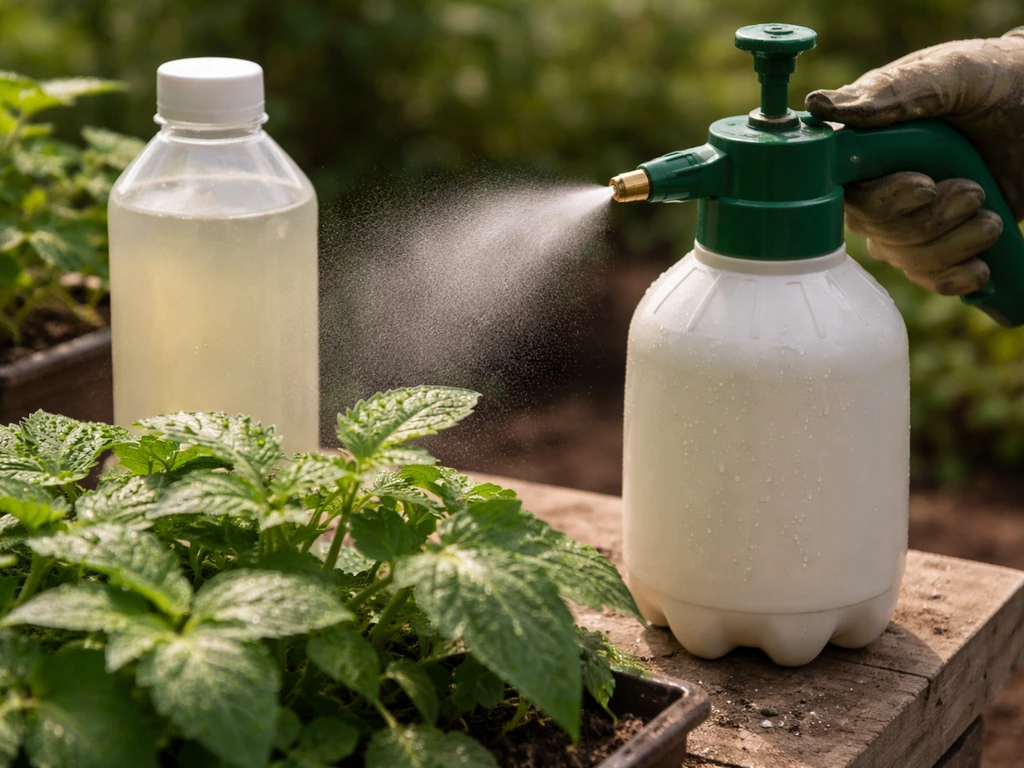
Spray-N-Grow Micronutrients is a foliar spray concentrate you mix with warm water and apply directly to plant leaves. The standard dilution is blank" rel="noopener noreferrer">2 teaspoons of concentrate per quart of water (or 2 tablespoons per gallon if you're using the full Perfect Blend Kit). You mix it in a fine-mist sprayer, let it sit 15 minutes until the water turns yellow, then spray leaves top and bottom until you see a slight runoff. That's the core of it.
Spray-N-Grow Instructions: Mixing, Setup, and Troubleshooting

Marcus Thornfield
6 May 2026
What Spray-N-Grow is and which kit it's for
Spray-N-Grow Micronutrients is a liquid concentrate made from 17 naturally occurring micronutrients that plants need but don't typically get from standard fertilizers. It's a foliar product, meaning you spray it onto leaves rather than pouring it into soil. The manufacturer sells it in 8 oz bottles (which make up to 32 quarts of spray solution) and 16 oz bottles (which make up to 64 quarts).
If you bought the Perfect Blend Kit (the large version or otherwise), you've got three products in that box: Spray-N-Grow Micronutrients, Bill's Perfect Fertilizer, and Coco-Wet Wetting Agent. All three are used together in one sprayer as a combined foliar treatment. The instructions in this guide cover both the standalone Micronutrients product and the full Perfect Blend Kit, so you can follow along no matter what you're working with.
What you need before you start
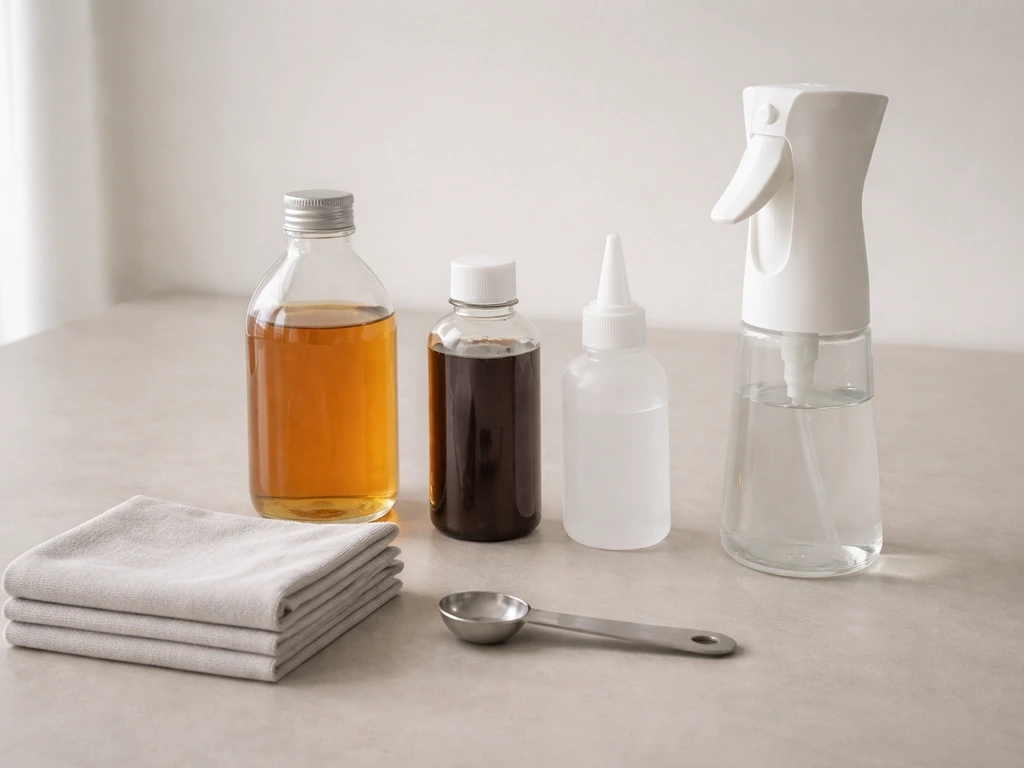
- Spray-N-Grow Micronutrients concentrate (8 oz or 16 oz bottle)
- Bill's Perfect Fertilizer and Coco-Wet if you have the Perfect Blend Kit
- A clean fine-mist hand sprayer or pump sprayer (not a hose-end sprayer)
- Lukewarm water at 80–100°F (a kitchen thermometer helps)
- Measuring spoons (teaspoon and tablespoon)
- Sudsy ammonia and clean water for washing the sprayer before first use
- Baking soda on hand in case your water needs a pH boost
- A timer or clock for the 15-minute activation wait
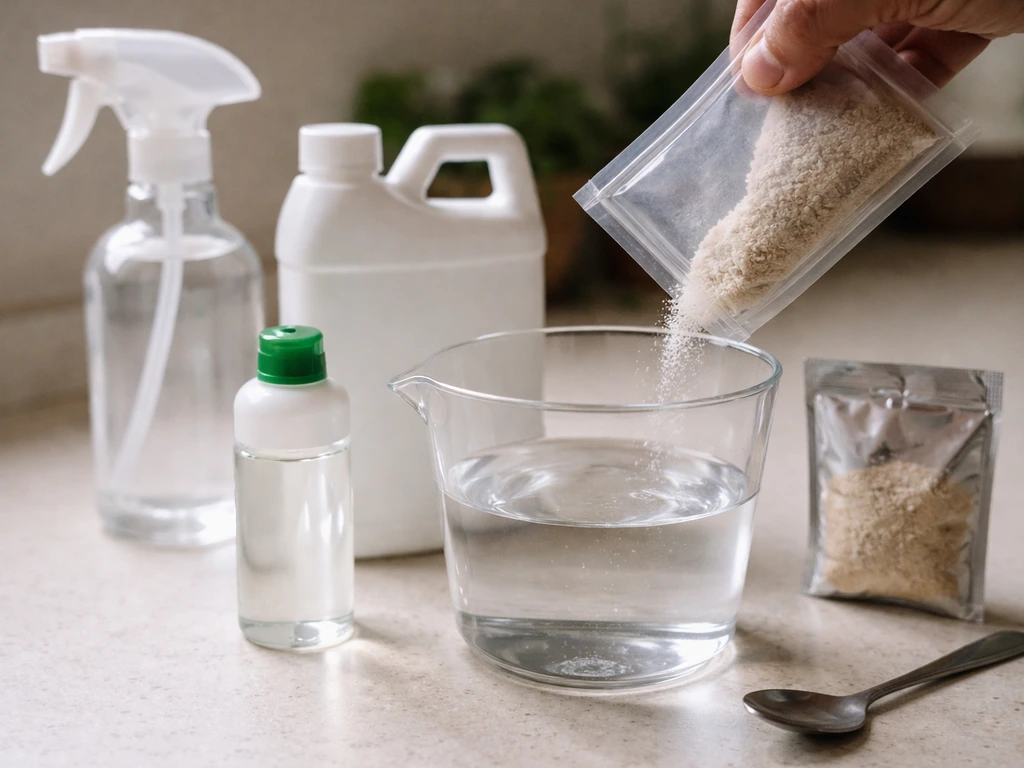
One thing people skip: the sprayer prep. Even a brand-new sprayer needs to be washed out with a solution of 2 tablespoons of sudsy ammonia mixed into water, then rinsed thoroughly with clean water before you use it. Residue from manufacturing or from any other product you've used in that sprayer can interfere with the Spray-N-Grow chemistry. Don't skip this step, especially if the sprayer has been used before.
Setup walkthrough: getting everything ready
Spray-N-Grow is not a plug-and-spray product. The setup matters, and the 15-minute activation window is a real requirement, not a suggestion. Here's how to get everything set up correctly from the beginning.
- Wash your sprayer with 2 tablespoons of sudsy ammonia mixed with water, then rinse completely with clean water.
- Heat your water to between 80°F and 100°F. Think warm bath water, not boiling. Cold water won't activate the micronutrients properly.
- Check that your water's pH is 7.1 or higher. Most tap water is fine, but if you're using filtered or softened water, it may need adjustment (see the troubleshooting section below).
- Pour the warm water into the sprayer first. Always water first.
- Add Coco-Wet if you're using the Perfect Blend Kit (1/2 teaspoon per gallon).
- Add Spray-N-Grow Micronutrients (2 tablespoons per gallon for kit use, or 2 teaspoons per quart for standalone use).
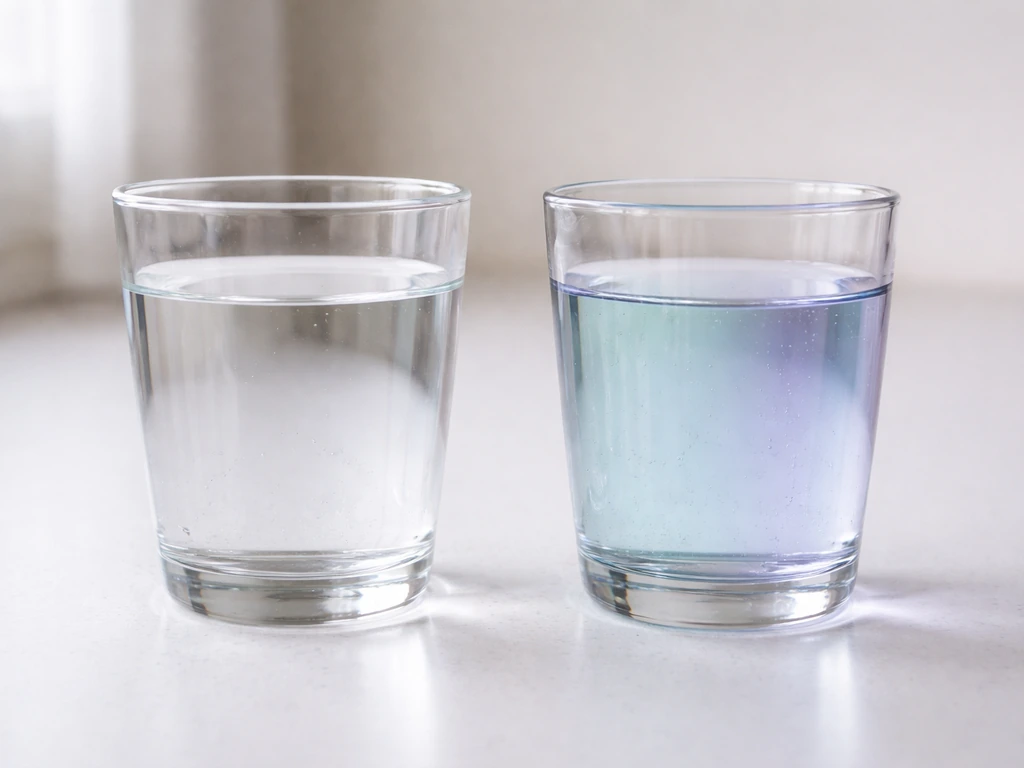
- Cap the sprayer and let the mixture sit for 15 minutes. Watch for the water to shift from clear to a yellow or golden color. That color change means it's activated.
- Once 15 minutes have passed and the color has changed, add Bill's Perfect Fertilizer if you're using the kit (1 tablespoon per gallon). Bill's goes in last, always.
- Give the sprayer a gentle swirl to combine, and you're ready to spray.
If you're not using the full kit and just working with the Micronutrients concentrate on its own, the process is the same but simpler: warm water into sprayer, add concentrate at 2 teaspoons per quart (or 2 tablespoons per gallon), wait 15 minutes for the color change, and spray.
Spray-N-Grow mixing instructions: ratios, order, and water details
Getting the ratio right is the most common place people go wrong, mostly because the label lists a per-quart measurement while most home sprayers are measured in gallons. Here's a clear breakdown so you're not doing mental math at the sink.
| Scenario | Water | Coco-Wet | Spray-N-Grow Micronutrients | Bill's Perfect Fertilizer |
|---|---|---|---|---|
| Standalone micronutrients (per quart) | 1 quart warm water | Not used | 2 teaspoons | Not used |
| Standalone micronutrients (per gallon) | 1 gallon warm water | Not used | 8 teaspoons (about 2 tbsp + 2 tsp) | Not used |
| Perfect Blend Kit (per gallon) | 1 gallon warm water | 1/2 teaspoon | 2 tablespoons | 1 tablespoon |
Water temperature is not optional. The mix needs to be made with lukewarm water at 80–100°F to activate the micronutrients. According to Spray-N-Grow’s product FAQs, you mix the micronutrients with warm water and let it stand 15 minutes for activation, during which the water changes color from clear to yellow blank" rel="noopener noreferrer">activate the micronutrients. Cold water will leave you with an unactivated solution that won't do much. pH also matters: the water needs to be 7.1 or higher. If you're on municipal tap water, you're usually fine. If you use a reverse osmosis filter or have naturally acidic well water, test it and raise the pH with a small pinch of baking soda before mixing.
The order of adding ingredients matters too. It's always: warm water first, then Coco-Wet, then Spray-N-Grow Micronutrients, then wait 15 minutes, then Bill's Perfect Fertilizer last. Adding fertilizer too early can interfere with activation. Also, Bill's Perfect Fertilizer and Coco-Wet are the only products you should mix into the sprayer with Spray-N-Grow. Don't add other fertilizers, fungicides, or insecticides to the same sprayer mix.
Day-by-day use: timing, spraying, and coverage
Once your mix is ready, timing your spray makes a real difference. The manufacturer is clear on this: spray early in the morning (before 9 am) or in the evening (after 6 pm). Avoid spraying in the heat of the day. The reason is practical: plant stomata (tiny pores on leaves) are more open closer to sunrise and sunset, which means better absorption. Spraying in direct midday sun can also stress wet leaves.
Coverage means spraying a fine mist over the tops of leaves, the undersides of leaves, buds, blooms, fruits, and vegetables until you see a slight runoff starting to form. "Slight runoff" just means the leaves are thoroughly coated but not dripping excessively. The underside of leaves is especially important because that's where stomata are most concentrated, so don't skip it.
For frequency, the manufacturer recommends applying every 1 to 3 weeks. You don't need to spray daily. The product is safe enough to use more often, but once every week to three weeks is what gets results without wasted product. If your plants are new from a nursery, wait 5 to 7 days after bringing them home before the first application. Nursery plants often have residual fungicides or pesticides on them that can react badly with Spray-N-Grow if applied too soon.
After you spray, let the leaves dry before watering or before rain. Once dry, the product won't wash off. If you're using other chemical fertilizers or pest sprays, wait 5 to 7 days before or after using Spray-N-Grow. For organic products, a 2 to 3 day gap is enough.
For results, expect to see a visible difference in 7 to 30 days depending on your plant type. Tender plants (like annuals and vegetables) usually show results faster. Woody plants take longer. If you're growing vegetables or fruit, the main payoff comes at harvest rather than in visible leaf changes.
Use your mixed spray solution within 4 to 6 hours of mixing. Don't store activated solution overnight and expect it to work. If you have leftover mixed solution at the end of your spray session, pour it directly into the soil at the base of a plant or along a tree's dripline rather than throwing it away.
Troubleshooting common problems
The water didn't change color
If you waited 15 minutes and the water is still clear, the mix hasn't activated. This is almost always a water chemistry issue. Your water's pH is probably below 7.1, or the water was too cold. Add a small pinch of baking soda, stir gently, and wait a few more minutes. In most cases, about 1/2 teaspoon of baking soda per gallon is enough to get activation going. If you need to fine-tune the mixture for your la colors mega grow instructions, small baking soda adjustments can help the water activate properly. In rare situations with very acidic water, you might need up to 1 tablespoon per gallon. Keep adding small pinches and watching for that yellow color shift before you give up.
Clogged sprayer nozzle
Clogs almost always trace back to one of two things: you skipped the pre-use sprayer cleaning, or you used a hose-end sprayer. Hose-end sprayers aren't compatible with Spray-N-Grow at all. The product needs to be pre-mixed and activated in the sprayer before application. Use a hand pump or pressure sprayer with a fine-mist nozzle. If your sprayer nozzle is clogging mid-use, clear it with warm water, check that you washed the sprayer before your first use, and make sure you're not mixing anything else into the solution.
Poor or no growth response
If you're not seeing any response in the first few weeks, go through this checklist. First, did the mix actually activate (color change)? Second, are you spraying the undersides of leaves, not just the tops? Third, are you spraying in the heat of the day (which reduces absorption)? Fourth, are you waiting long enough? Woody plants can take closer to 30 days to show visible change. Finally, did you apply too soon after bringing home nursery plants? Give new plants that 5 to 7 day settling window before the first application.
Worried about overfeeding or leaf burn
The manufacturer is pretty straightforward on this one: you can't overspray Spray-N-Grow Micronutrients. It's described as safe enough to use daily, though you don't need to. Leaf scorch from foliar sprays is almost always caused by spraying in direct, intense sun rather than by the product itself. Stick to the morning and evening spray windows and you'll avoid this issue entirely.
Mixing errors (added fertilizer too early, wrong ratio)
If you added Bill's Perfect Fertilizer before the 15-minute wait, dump the batch and start fresh. The activation window needs to happen before fertilizer is introduced. If you realize you used the wrong ratio, just dilute the batch or discard it. Working with an under-concentrated mix is not harmful, but an over-concentrated one (double the concentrate) is harder to predict, so keep your measurements accurate.
Safety, storage, and cleanup
Spray-N-Grow Micronutrients is non-toxic and safe, which is good news for anyone using it around vegetables, kids, and pets. That said, you should still handle it sensibly. If you're spraying indoors, put your plants in the bathtub or sink first to catch runoff. The fine mist can settle on surfaces if you spray freely in a room, so containing the mess is just good practice.
For storage, the concentrate itself does not expire. If you also have the LilyEve grow turn ampoule, use it according to its label guidance alongside the rest of your feeding routine store it in a cool spot. Keep the cap tightly closed and store it in a cool spot. If you have the Perfect Blend Kit, the Micronutrients bottle will outlast the other two: Bill's Perfect Fertilizer and Coco-Wet are good for 2 to 3 years. Check those bottles' dates if your kit has been sitting in a garage for a while.
After each spray session, rinse your sprayer thoroughly with clean water. If you also need to clean up after spraying, focus on rinsing the sprayer right away and clearing the nozzle so click and grow units stay ready for the next cycle clean click and grow. If you're done for the season, give it a more thorough wash (the same sudsy ammonia and water rinse you did at the start) to prevent any residue from building up in the nozzle or pump. Never store leftover activated solution in the sprayer; use it up on soil within 4 to 6 hours of mixing and clean the sprayer out.
If you're exploring other foliar or grow kit products, some similar kit-based products like Dip-N-Grow follow a comparable concentrate-and-dilute approach with specific ratio requirements, so the habits you build here will transfer well. Dip and grow instructions also emphasize using the right concentrate-to-water ratios and following the product-specific mixing order for best results Dip-N-Grow. The main thing Spray-N-Grow adds is that activation step and the pH check, which most other kits don't require. Get those two right and the rest of the process is straightforward.
FAQ
How much Spray-N-Grow should I apply, what does “slight runoff” look like in practice?
The “slight runoff” target means leaves should be fully coated, but not dripping. If you see heavy drips running off, reduce your spray distance and slow your passes so you coat evenly instead of over-wetting.
Can I mix Spray-N-Grow instructions ahead of time and store the activated spray for later?
If the mixture has already turned yellow and you keep spraying later, do not rely on it to keep working indefinitely. Use any remaining activated solution within 4 to 6 hours, then clean the sprayer and mix a fresh batch if you still need coverage.
What if I accidentally add ingredients out of order, can I fix it?
Yes, but only if the first ingredient added is warm water, then Coco-Wet, then the micronutrient concentrate, wait the full 15 minutes, and add Bill’s Perfect Fertilizer last. The main risk is skipping the order or adding fertilizer before activation.
Why can’t I use a hose-end sprayer with Spray-N-Grow instructions?
No, hose-end sprayers are not compatible. The concentrate needs to be pre-mixed and the micronutrients need time to activate in the sprayer before application, which a hose-end system cannot reliably do.
Can I combine Spray-N-Grow with my usual pest spray or another foliar fertilizer in the same sprayer?
Do not. Mixing Spray-N-Grow with other fertilizers, fungicides, or insecticides in the same tank can interfere with activation and increase the chance of leaf issues. If you need pest or disease control, do it as a separate spray event with the wait windows already used in the article.
My tap water is variable, how can I make sure pH is correct without guessing?
If your water pH is uncertain, do a quick test before you mix. Raise pH gradually (for example, small pinches of baking soda) and recheck if possible, because overshooting pH can also change how well the mix behaves on leaves.
I used a sprayer that may have residue in it, should I still try the batch?
If you forgot to pre-wash the sprayer, dump the batch and start over. Sprayer residue is a common cause of “no activation” or poor results, and it can also increase clogging during spraying.
What should I do if the mixture stays clear and never changes color after 15 minutes?
If activation never occurs, focus on water chemistry first, especially temperature and pH. Cold water can prevent the color shift, so warm the water to the recommended range, adjust pH with baking soda in small amounts, then wait again before giving up.
My nozzle keeps clogging, what are the fastest fixes during a spray session?
If you get persistent clogs mid-use, stop and clear the nozzle with warm water, then confirm you are not using a nozzle style meant for thicker liquids. Also make sure you mixed in clean water and rinsed the sprayer thoroughly before starting.
My plants look stressed, can I reduce risk by changing concentration or frequency?
For sensitive plants, start with a light first application at the recommended dilution and follow the morning or evening timing. Then adjust frequency (within the 1 to 3 week window) based on results, rather than increasing concentration.
Any special precautions when using Spray-N-Grow instructions indoors?
If you’re spraying indoors, contain runoff and mist carefully, but also avoid leaving wet foliage under lights or in still air immediately after spraying. Let leaves dry first, then resume normal light and airflow practices.
What if I accidentally sprayed during harsh midday sun, should I redo the application?
If you sprayed too early in the day and leaves are staying wet, the concern is mostly plant stress from heat and light rather than the product itself. Wait for full drying before any additional foliar work, and stick to morning or after-6 pm for the next application.
How soon after bringing home nursery plants can I safely start using Spray-N-Grow instructions?
For new nursery plants, follow the 5 to 7 day settling window before the first application, then apply again at the normal 1 to 3 week interval. Don’t stack multiple sprays close together right after purchase.