
To set up your Dino World Megga Grow egg, place it completely submerged in a container of water kept below 95°F (35°C), and blank" rel="noopener noreferrer">within 12 to 24 hours the shell will crack and your dinosaur will start hatching. The Walmart product listing describes the core method as placing the egg in water and watching it hatch and grow bigger into a mega size blank" rel="noopener noreferrer">place it completely submerged in a container of water kept below 95°F (35°C). After that, keep it fully submerged for a few more days and it will grow to its full mega size, which can reach around 12 cm depending on the version you have. That's the whole core process. The sections below walk you through every detail so you don't run into the common gotchas.
Dino World Megga Grow Instructions: Setup, Care, and Fixes

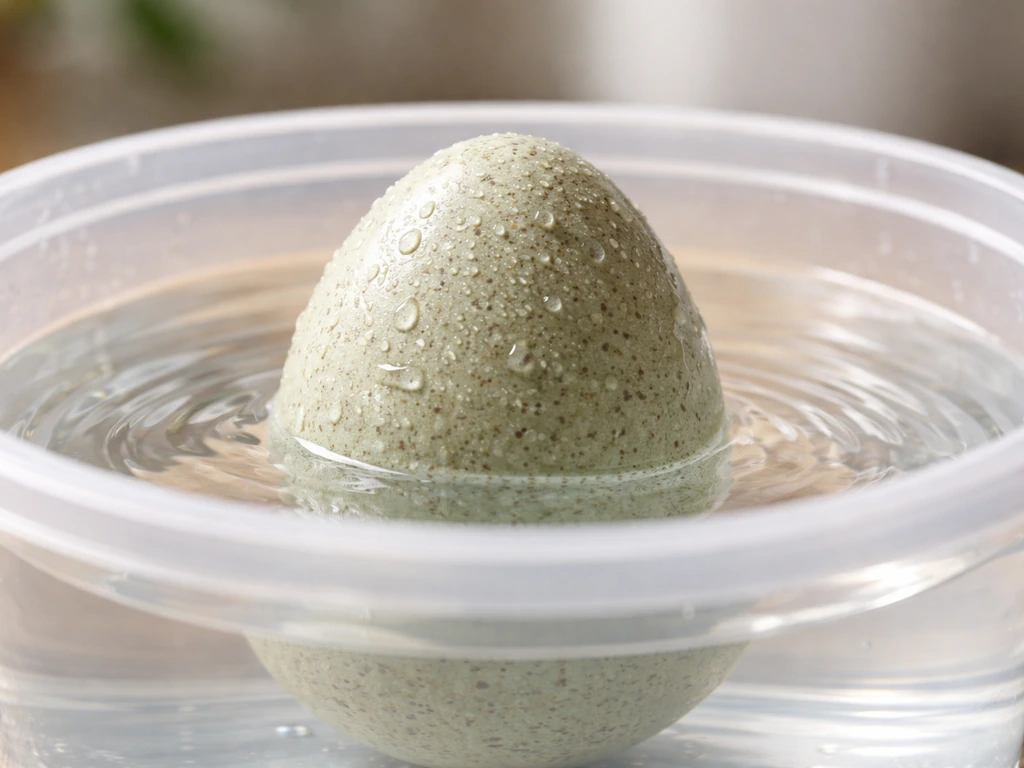
What the Dino World Megga Grow kit actually is (and what to gather first)
The Dino World Megga Grow is a water-activation grow toy made by Ja-Ru. Inside the egg-shaped shell is a compressed foam or polymer dinosaur figure. When you submerge the egg in water, the shell softens and breaks apart, and the dinosaur inside absorbs water and expands over the course of a few days. It's the same basic concept as other grow-in-water dino toys, but the "Megga" name signals a larger final size than standard grow eggs. If you've ever done a grow-a-dinosaur-in-water kit, this will feel familiar, just bigger.
Before you start, gather everything you'll need so you're not scrambling mid-setup:
- Your Dino World Megga Grow egg (check the packaging is intact and the egg isn't cracked or pre-softened)
- A container or bowl deep enough to fully submerge the egg with room to spare
- Tap water at room temperature, or slightly warm but not exceeding 95°F / 35°C
- A thermometer if your tap runs hot (this matters more than people think)
- A flat, stable surface away from direct heat sources like radiators or sunny windowsills
- Patience: this is a 3-to-5 day process, not an overnight magic trick
One quick parts check before you drop anything in water: open the box and confirm the egg is whole, there are no loose pieces rattling around inside the packaging that shouldn't be there, and the egg surface feels uniformly hard. If the shell already feels soft or spongy in spots, it may have gotten moisture exposure during shipping. That can cause uneven hatching, which I'll cover in the troubleshooting section. Also note the choking hazard warning on the packaging: this kit contains small parts and is not intended for children under 3 years old.
Setting up your Megga Grow egg step by step
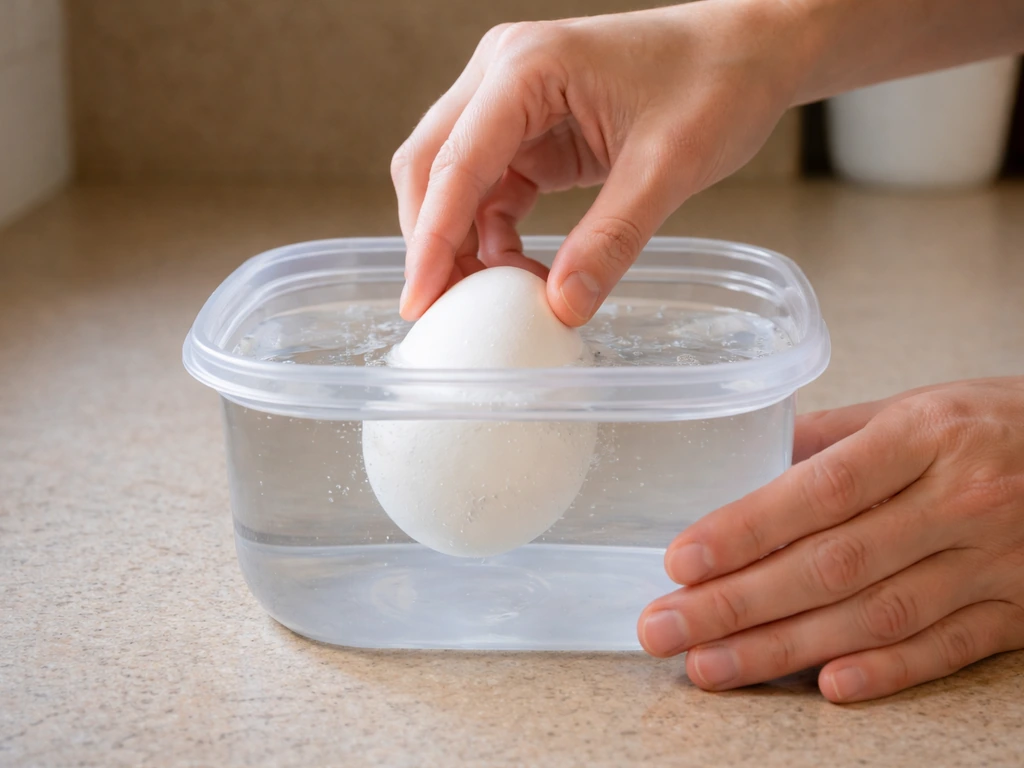
This is where most people either do it right or accidentally set themselves up for a frustrating experience. Follow these steps in order and you'll avoid the most common first-timer mistakes.
- Fill your container with enough water to completely cover the egg with at least an inch of water above it. The egg will want to float initially, so you may need to check back and weigh it down gently or just monitor it.
- Check your water temperature. It should be warm but not hot. Anything above 95°F (35°C) can damage the grow material inside and give you a misshapen or prematurely burst egg. Room temperature tap water is honestly ideal.
- Place the egg in the water and make sure it's fully submerged. This is the single most important step. The official directions say to completely submerge the egg, and that rule doesn't change throughout the entire grow cycle.
- If the egg floats, gently push it under and position it so it stays down. Some people use a small dish or another container to hold it under. Just make sure whatever you use is clean and won't contaminate the water.
- Put the container somewhere with stable room temperature. Avoid direct sunlight (which heats the water unevenly), and avoid cold drafts. A kitchen counter away from the stove and windows is usually perfect.
- Now wait. Within 12 to 24 hours, you should see the shell starting to crack and the dino beginning to push through. This is hatching, and it's exactly what's supposed to happen.
Don't poke, squeeze, or try to peel the shell. I know it's tempting, especially with kids watching. But the shell is part of the activation process, and if you force it open early, the dinosaur inside won't have fully absorbed enough water to hold its shape, and you can tear the foam material. Let the water do the work.
The daily care routine while your dino grows
Once the egg has cracked and the dinosaur starts emerging, you're in the growth phase. This lasts a couple of days and is mostly just maintenance, but there are a few things to stay on top of.
Keep it submerged, every single day
The official instructions are very clear on this: always make sure the egg (and once hatched, the dino figure) is completely submerged. For more grow toys in water instructions, follow the same submersion and water-check routine every day. Water evaporates, especially in warm rooms, so check the water level each morning and top it up if needed. A dino that's half in, half out of water will grow unevenly and look weird when finished.
Water temperature during the grow phase
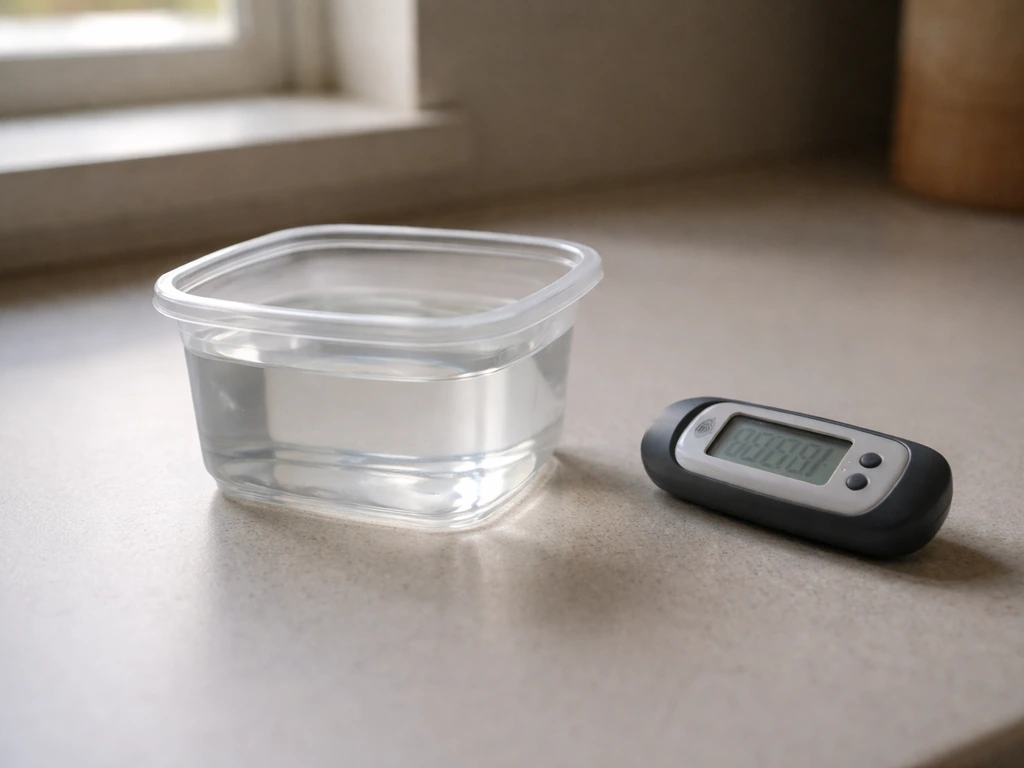
Keep the water below 36°C (about 97°F) throughout the entire grow period. Room temperature water is fine. If you're in a hot climate or the container is near a heat source, check the water temperature occasionally. Hot water speeds up the process in a bad way: it can cause the material to over-expand quickly and become distorted, or it can degrade the polymer and leave you with a mushy, misshapen dinosaur.
Light and placement
This kit doesn't need any specific light to work, unlike a seed-starting kit or a terrarium. Light doesn't drive the growth here, water does. What you want to avoid is direct sunlight heating the water, which creates uneven conditions. An indoor spot with ambient room light is perfect. No grow lights needed.
Handling during growth
Try not to handle the dinosaur while it's still growing. The material is delicate and can tear or deform if you squeeze it. If you need to move the container, tip it gently rather than reaching in and grabbing the figure. Once it's reached full size and you've taken it out of the water, it firms up a bit as it dries, which makes it more durable to handle.
Timeline expectations
| Phase | What happens | Typical timing |
|---|---|---|
| Initial submersion | Egg softens and absorbs water | 0 to 12 hours |
| Hatching | Shell cracks, dino begins to emerge | 12 to 24 hours |
| Growth phase | Dino expands and takes shape in water | 2 to 3 days after hatching |
| Full size reached | Dino stops expanding, at maximum size | 3 to 5 days total from start |
Troubleshooting: when things go wrong
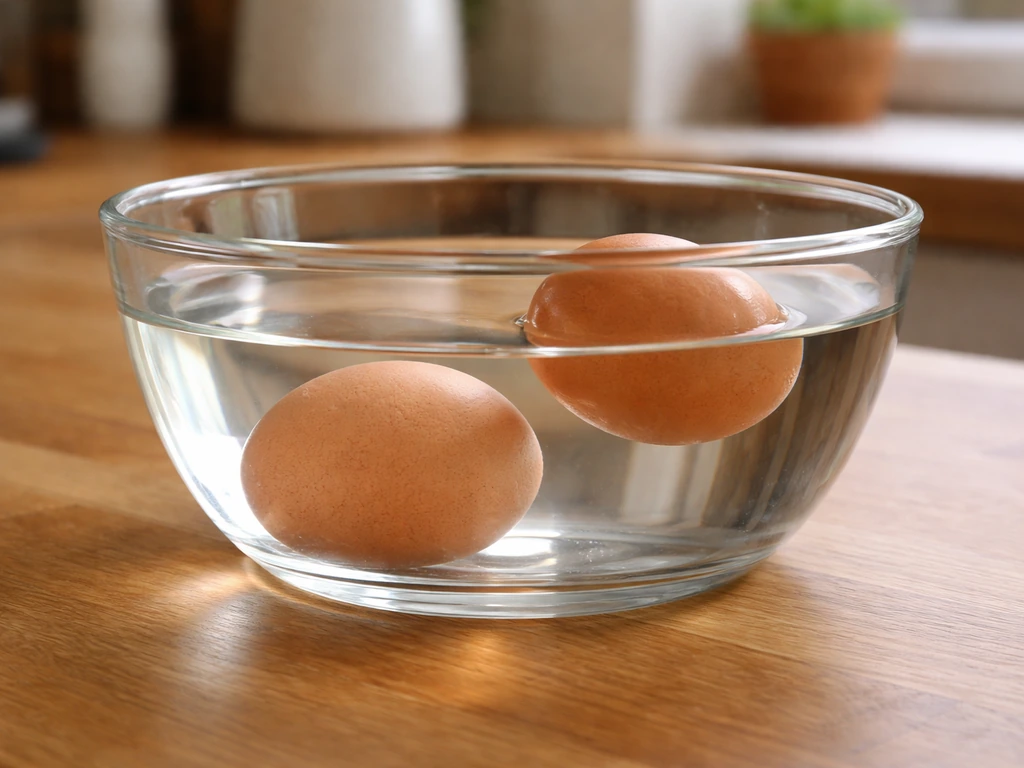
This kit is simple but not foolproof. Here are the most common problems and how to fix them.
The egg isn't cracking after 24 hours
First, check that the egg is actually fully submerged. Even a small part poking above the waterline can slow or stall the activation. Top up the water and push the egg back under. Also check water temperature: if the water is too cold (below about 65°F / 18°C), the process slows significantly. Try swapping in slightly warmer water. If you're past 36 hours with no sign of cracking at all, the egg may have a manufacturing defect or was pre-damaged. Unfortunately in that case, a replacement is your best option.
Growth is really slow or seems to have stopped
Slow growth almost always comes down to water temperature being too low or the water level dropping so the dino isn't fully submerged. Refresh the water with fresh room-temperature water, make sure the whole figure is covered, and give it another 24 hours. Don't try to rush it by using hot water; you'll overshoot and damage the figure.
Uneven growth across multiple eggs
If you're running multiple Megga Grow eggs at once, it's common for them to hatch and grow at slightly different rates. This usually happens because they're not all getting equally submerged, or one egg was slightly more porous or pre-exposed to moisture. Make sure each egg has its own container with enough water to fully cover it independently, or use a large enough container that all eggs stay fully submerged and there's no crowding. Cramming multiple eggs into a bowl where some are touching the sides can cause uneven water access.
Mold or algae in the water
If you see the water going cloudy, greenish, or slimy, that's algae or mold starting to form. This happens when the container is in direct sunlight or the water sits too long without being refreshed. The fix is to change the water immediately with fresh, clean room-temperature water. This is similar to what's recommended for other grow-in-water dino kits: once the egg has hatched and the dino is out, replacing the old water with fresh water is good practice anyway. Keep the container out of direct sun going forward. If mold is on the dino figure itself, gently rinse it under clean tap water.
The dinosaur looks misshapen or deformed
This usually means the water was too hot at some point, or the egg was squeezed or handled too much during the growth phase. Unfortunately, once the material has set in a distorted shape, there's not much you can do to reshape it. Think of it as a learning moment for the next egg. For future runs, check the water temperature more carefully and keep hands off during the growth phase.
Finishing the grow cycle, displaying your dino, and what comes next
Knowing when it's done
Your Megga Grow dino is done when it stops visibly expanding. You'll notice after a couple of days in water that the figure has reached its maximum size and isn't getting any bigger. At that point, the grow cycle is complete. The final size can reach up to around 12 cm, which is genuinely impressive for a toy that started as a palm-sized egg. Compare that to a standard grow-a-dinosaur-in-water toy and you'll see why the "Megga" name is warranted.
Taking it out and displaying it
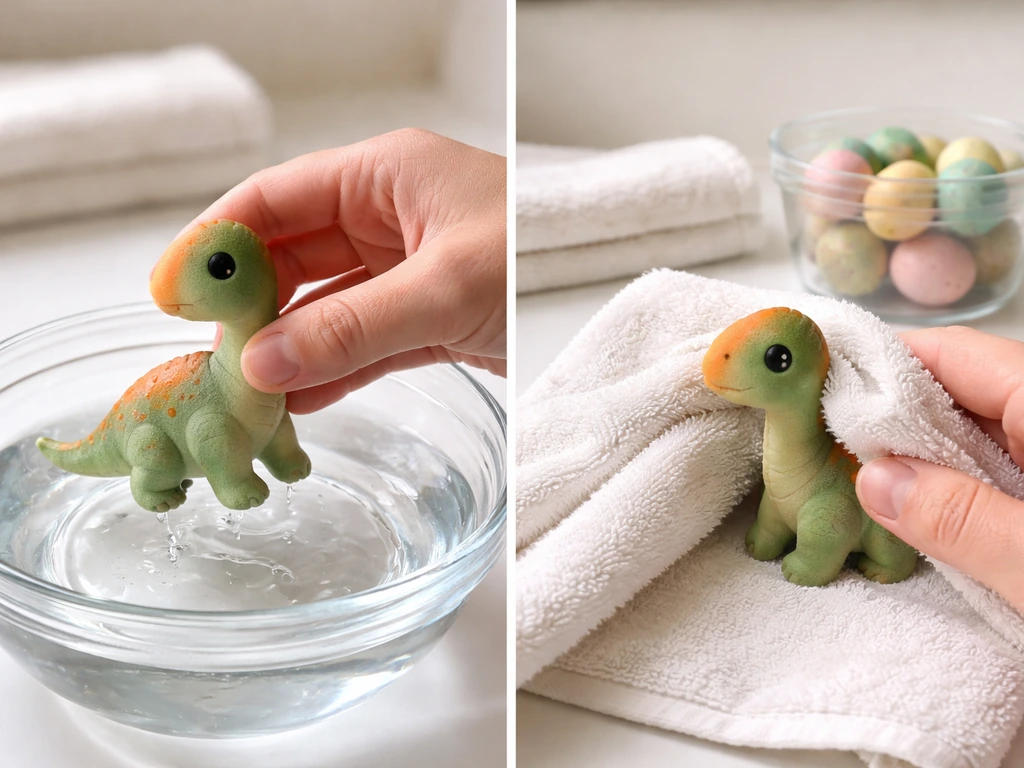
When you're ready to display or play with the dinosaur, lift it gently out of the water. It will be soft and slightly fragile while wet, so handle it carefully. Pat it dry with a soft cloth and set it on a flat surface to air dry. As it dries out, it will shrink back somewhat (this is normal) and firm up considerably. If you want to keep it at full size for display, keep it in water. If you want a sturdier figure for play, let it dry.
Starting over or storing extra eggs
If you have extra Megga Grow eggs you haven't used yet, store them in a cool, dry place in their original sealed packaging. Keep them away from moisture, obviously. Even high humidity can start the activation process, so a drawer or cupboard away from the kitchen or bathroom is a better bet than leaving them on a shelf. Once an egg has been activated in water, it can't be reset back to egg form, so save unopened eggs for another grow session.
If you want to re-grow a dried figure, you can try submerging it in water again and it may re-expand somewhat, though it typically won't reach the same full size as the first grow. It's more of a novelty repeat than a true restart. For the full effect, a fresh unused egg is always the better choice.
If this kind of water-activation toy is your thing, there are a bunch of similar kits worth exploring. If you're curious about the exact process beyond this kit, see grow unicorn in water instructions as a related comparison point for how these water-activation grows work. If you're also looking for a beginner-friendly activity, these my first crayola grow-with me easel instructions can help you get set up quickly. Grow-a-unicorn-in-water kits, grow-a-yeti kits, and grow-your-own-unicorn sets all follow the same core water-submersion method and have their own quirks and timelines. They make great companion projects to run alongside your Megga Grow eggs, especially if you want to compare grow rates or just keep the fun going after your dinosaur is finished.
FAQ
Can I use a hot or cold container to speed up or slow down dino world megga grow instructions?
Yes, you can use a thermometer and change the approach based on what it reads. If your water is near the upper safe range, use cooler room-temperature water to bring it down before submerging the egg. If your water is below the minimum, warm the water to room temperature first, then submerge, because repeatedly switching to very hot or very cold water can distort the final shape even if the egg cracks.
What if my egg cracks, but the dinosaur growth stalls?
If the egg has cracked but the dino stops expanding, it is usually still a water-condition issue. First confirm complete submersion, then check water temperature and top up evaporation daily. If water looks clean and the egg remains fully submerged at room-temperature range and nothing changes after another day, the egg may have been damaged or had uneven porosity, and a replacement is your best option.
Do I need to cover the container while it’s growing?
Avoid pooling water in the lid area or using an open container where the waterline can dip. The key is that the entire shell during activation, and the entire figure afterward, stay under the same water level every day. If you need to cover the container for hygiene, use something that does not reduce water access or trap heat that could raise the water temperature.
How often should I clean the container, and do I need to reuse it for the next run?
You should rinse the container if you notice repeated cloudiness, slime, or persistent odors, because residue can seed algae. For a fresh run, start with clean water and a clean container, and do not mix old water with new water. If you only replace water, still keep the container out of direct sun to prevent re-growth.
Can I use tap water, or do I need special water for dino world megga grow instructions?
Tap water is usually fine for the water change steps, but if your local water is heavily chlorinated or you see persistent irritation like ongoing odor or fast clouding, let the water sit at room temperature briefly before using. The main goal is keeping temperature in the recommended range and replacing water quickly when it turns cloudy, greenish, or slimy.
Should I keep the dinosaur in water after it reaches full size, or let it dry?
Once the cycle finishes, letting it stay in water preserves the full size longer, while drying reduces fragility for play. If you want a sturdy toy, dry it completely on a flat surface before handling. If you want maximum size for display, keep it submerged, but do change the water periodically to prevent algae.
Is it safe to let kids play with the dinosaur immediately after hatching?
For safety, keep it away from pets and small children even after hatching, since the foam-polymer figure can still tear if squeezed. When cleaning, handle gently and rinse only if needed, then fully dry on a flat surface to reduce residue transfer. Do not put the toy in a mouth or allow chewing, because it is still a small-parts style toy material.
Can I grow multiple Megga Grow eggs in the same water at the same time?
Yes, you can run multiple eggs, but make it easy for each one to stay independently submerged. Use separate containers or a large container with enough water so none of the eggs crowd the sides, touch each other, or sit higher than the rest. Crowding is a common reason for different hatch and growth timelines.
What should I do if the egg feels soft before I start the soak?
If the egg already feels soft or spongy before you start, it may have absorbed moisture during shipping and can produce uneven or incomplete expansion. Use that egg for a test grow if you want, but if it fails to activate within the expected window or ends up distorted, consider requesting a replacement rather than forcing additional soaking.