
There are actually a few very different products sold as 'grow your own unicorn' kits, and the right instructions depend entirely on which one you have. The three main types are: a water-activated foam unicorn toy (like the Toysmith Grow Unicorn, SKU 8600), a seed-starting garden kit with soil and real seeds (like the 4M KidzMaker Unicorn Spring Garden), and a crystal-growing terrarium kit (like the MINDBLOWN Lighted Unicorn Crystal Grow Kit or the Dan&Darci Light-Up Terrarium). Each works completely differently. Find your kit type in the next section, then jump to the matching instructions. To get the best results, always follow the grow toys in water instructions that match your exact kit type.
Grow Your Own Unicorn Instructions: Step-by-Step Guide

Marcus Thornfield
28 Jun 2026
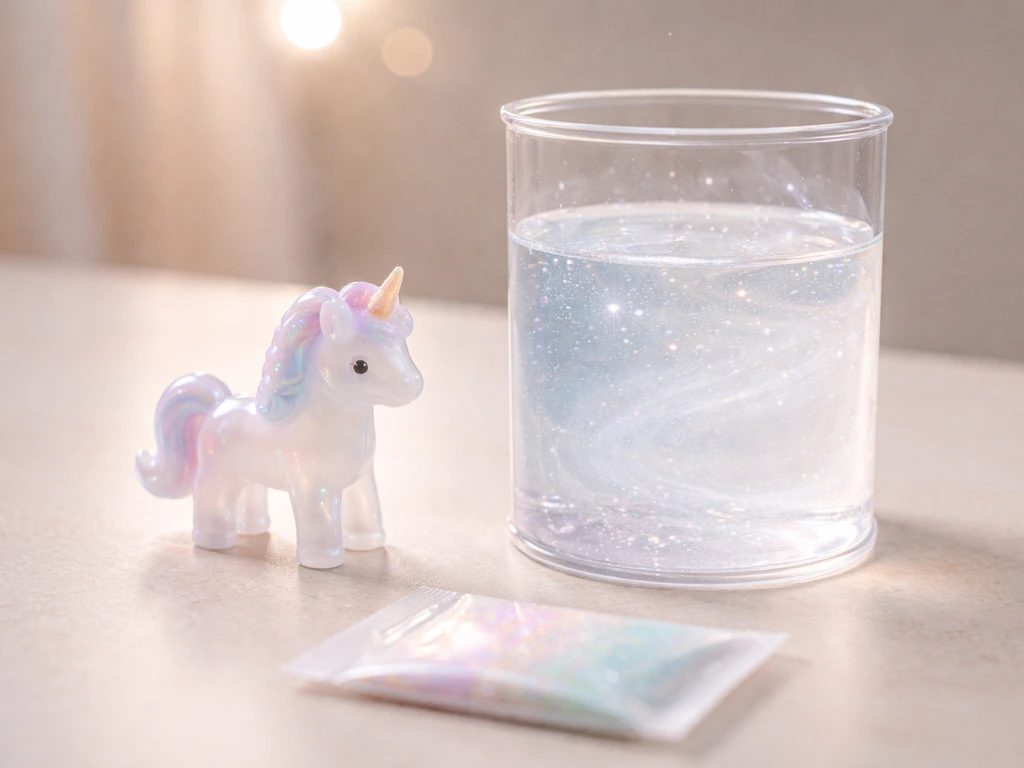
Figure out exactly which unicorn kit you have
Check your box or packaging for any of these identifiers. Getting this right saves a lot of frustration, because the care steps for a foam soak toy and a crystal grow kit are nothing alike. If you are wondering how to grow a yeti, follow the instructions for your specific kit type so you do not waste time or ingredients crystal grow kit.
| Kit Type | Brand/Model Clues | What's Inside |
|---|---|---|
| Water-grow foam toy | Toysmith, SKU 8600, UPC 085761240346, says 'just drop in water' | A small compressed foam unicorn figure |
| Seed-starting garden | 4M, KidzMaker, item 00-04806, 'Unicorn Spring Garden', coco coir disk included | Seeds, coco coir disk, tray, cover, figurines, dropper |
| Crystal grow terrarium | MINDBLOWN, Dan&Darci, EC215, 'crystal creatures', light-up lid, USB cable | Growing tank/jar, crystal powder or solution, unicorn figurine, lid with lights |
| Plant terrarium | Amitié Lane TK01-U, 'light-up terrarium', living moss or plants | Terrarium vessel, moss/soil, unicorn décor, LED lid |
If you have a foam soak toy, you are in the right place. This guide covers all four types. If your kit is specifically the water-expanding unicorn figure, the foam grow toy instructions below are your path. If it looks more like a decorative jar with a unicorn inside, you likely have a crystal terrarium. When in doubt, look for the word 'crystal' or a packet of powder, that is your biggest clue.
What's in the box and what you need to grab before you start
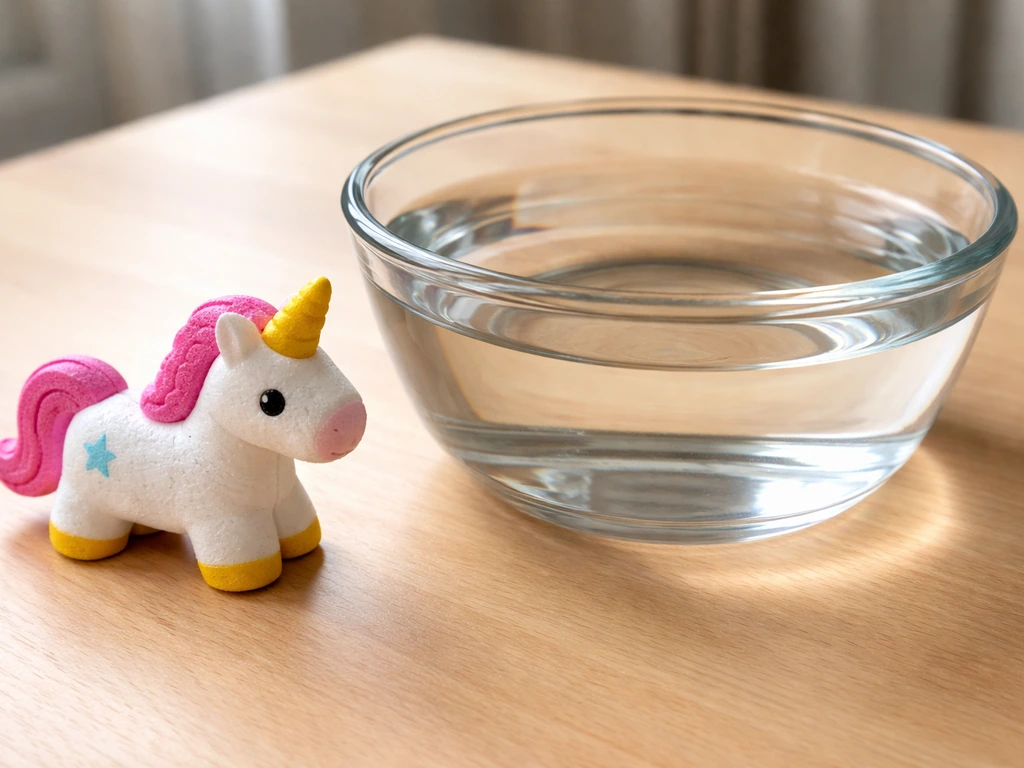
Toysmith foam soak unicorn (SKU 8600)
- One compressed foam unicorn figure
- You supply: a bowl or container deep enough to fully submerge the figure, tap water at room temperature
4M KidzMaker Unicorn Spring Garden (00-04806)
- Garden growing tray
- Transparent cover (blister dome)
- Unicorn figurines and decorative stickers
- Mini spoon and dropper
- Compressed coco coir disk (your growing medium)
- Seed packet
- Crystal bead trail and crystal beads
- You supply: approximately 200ml of water to rehydrate the coco coir, a bowl for rehydrating, a bright windowsill or grow light
Crystal grow terrarium (MINDBLOWN / EC215 / Dan&Darci types)
- Growing tank or glass jar
- Crystal powder or pre-measured crystal solution packet
- Unicorn figurine (the 'seed' for crystal formation in some kits)
- Light-up lid with Micro-USB charging cable (Dan&Darci and similar)
- Decorative elements: pebbles, moss, faux succulents
- Step-by-step instruction booklet
- You supply: 1000ml of hot water at approximately 100°F / 38°C (MINDBLOWN type), a measuring cup, and a room kept above 20°C / 68°F
Amitié Lane TK01-U light-up terrarium
- Terrarium vessel with LED lid
- Living or preserved moss, soil, and plant cuttings
- Unicorn decorative figurine
- You supply: distilled or filtered water for misting, a spray bottle, and indirect natural light
Step-by-step setup for each kit type
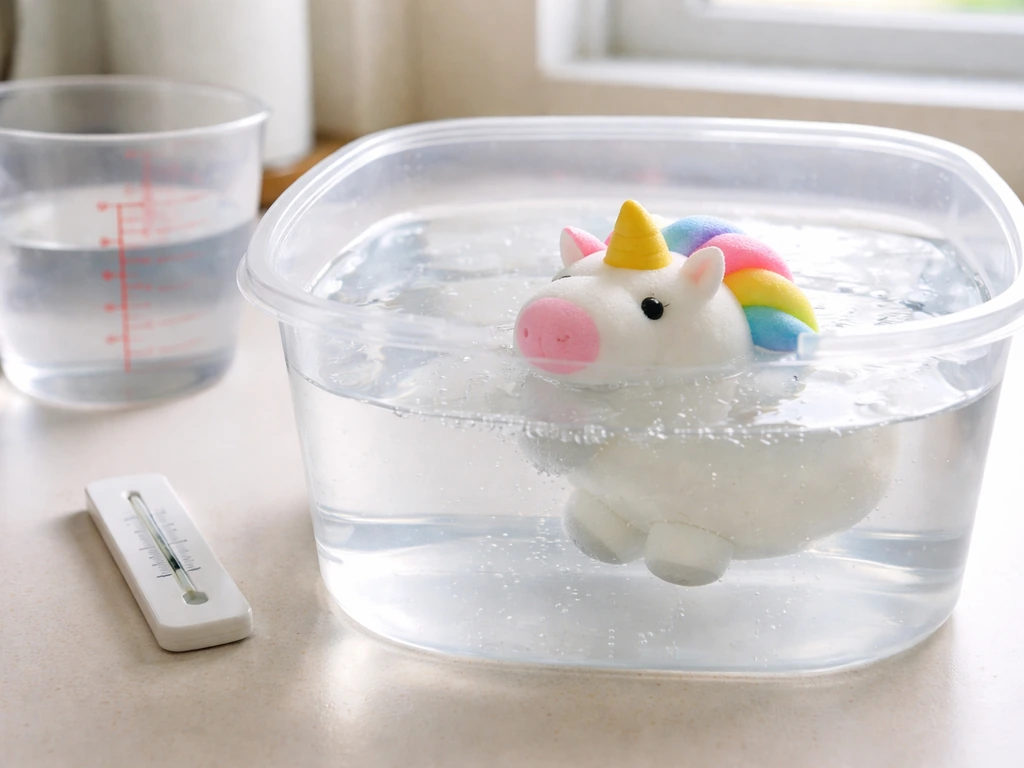
Toysmith foam unicorn: assembly is just placing it in water
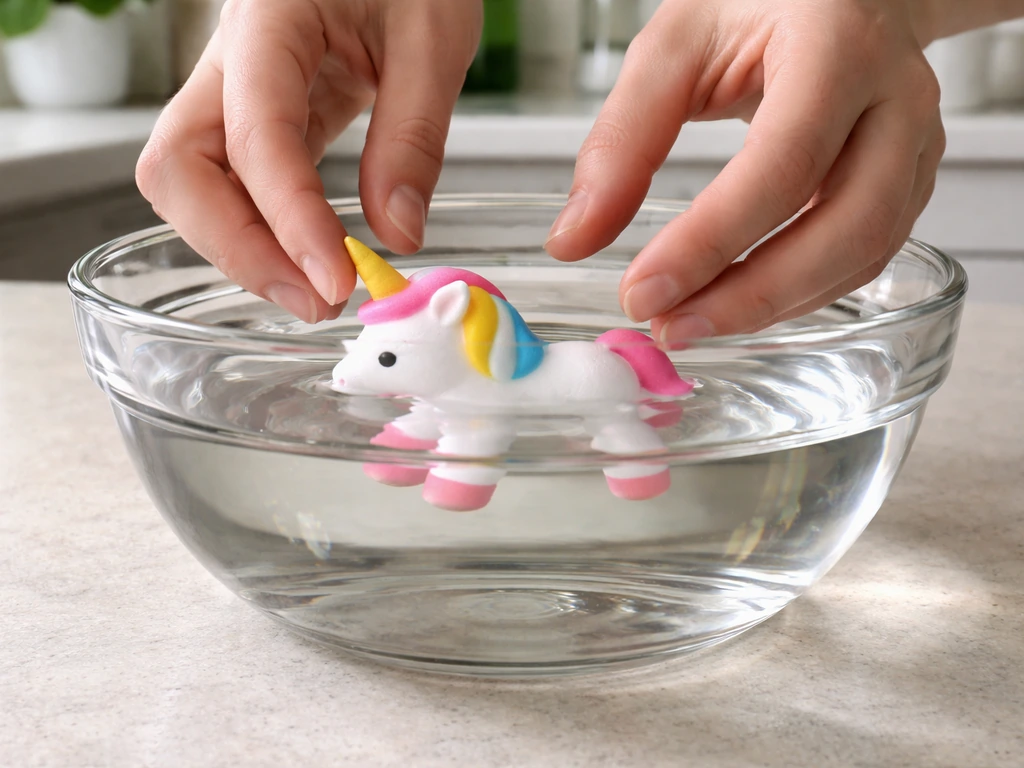
- Find a bowl or container wide and deep enough that the figure can sit fully submerged.
- Fill with room-temperature tap water, enough to cover the figure completely.
- Drop the unicorn in. That is the entire setup.
- Leave the bowl in a stable spot where it will not be disturbed.
4M Unicorn Spring Garden: rehydrating and planting
- Peel the shrink-wrap off the compressed coco coir disk and place the disk in a separate bowl.
- Pour exactly 200ml of water over the coco coir and wait for it to fully absorb and expand, which takes a few minutes.
- Loosen the expanded coco coir with your fingers or the mini spoon until it is light and fluffy with no hard chunks.
- Transfer the coco coir into the growing tray and spread it out evenly.
- Sprinkle the seeds evenly across the surface. Keep them away from the very edges of the tray so they are not crushed when you put the transparent cover on later.
- Do not pour water directly onto the seeds. Use the dropper to add water slowly alongside the seeds, not on top of them.
- Arrange the unicorn figurines, crystal bead trail, and any decorative elements as you like.
- Apply the stickers to the tray if desired.
- Place the transparent cover over the tray. This traps humidity and speeds up germination.
- Set the tray in a warm, well-lit spot, ideally near a window with indirect or gentle direct light.
Crystal grow terrarium (MINDBLOWN / EC215 type): mixing the solution
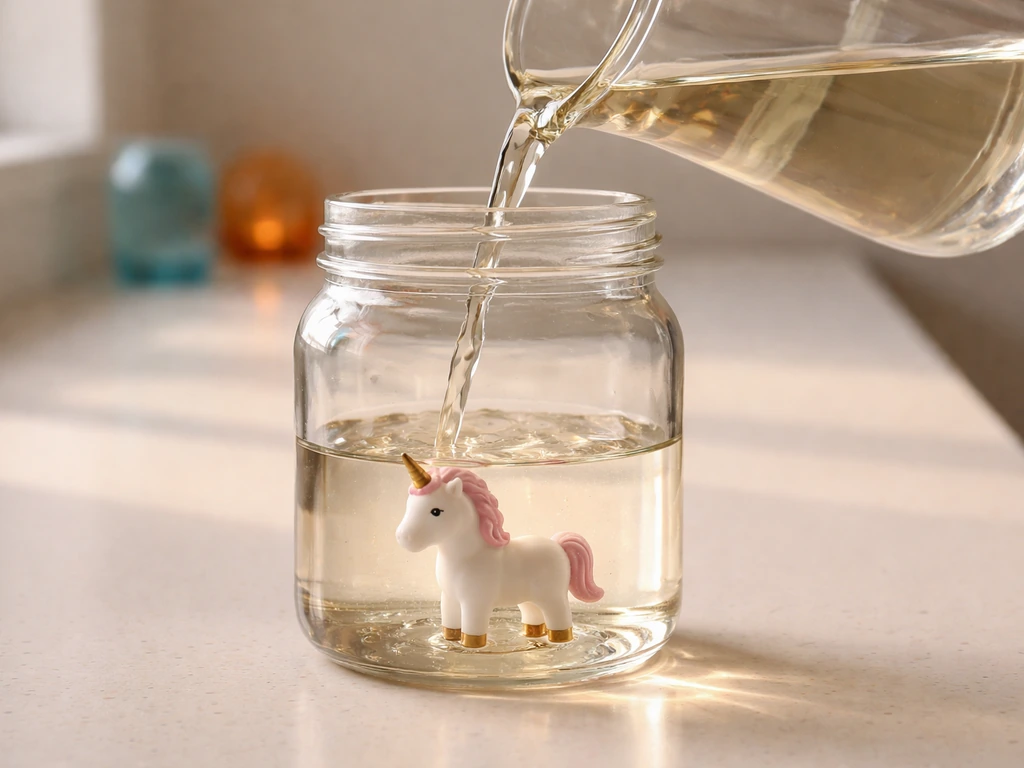
- Place the unicorn figurine into the growing tank or jar first. This is the structure crystals will form on.
- Heat 1000ml of water to approximately 100°F / 38°C. Hot but not boiling. A kitchen thermometer helps, but water that feels very warm to the wrist is a reasonable guide.
- Pour the crystal powder into the hot water and stir until fully dissolved.
- Carefully pour the solution into the growing tank, over the figurine.
- Do not move or disturb the tank once the solution is in. Vibration disrupts crystal formation.
- Make sure the room temperature is above 20°C / 68°F. Crystal growth stops below this threshold.
- Leave it undisturbed and check daily.
Dan&Darci / Amitié Lane light-up terrarium: arranging the scene
- Layer the pebbles at the bottom of the jar for drainage.
- Add the moss and any soil layer on top of the pebbles.
- Place the unicorn figurine and any faux succulents or décor items where you want them.
- For the Amitié Lane TK01-U: mist the moss lightly with water to establish moisture. The air inside the terrarium should feel humid, not soaking.
- Secure the light-up lid and connect the Micro-USB cable to charge it before first use.
- Keep the terrarium away from direct water sources, humid bathrooms, or damp windowsills. Inside moisture is intentional; outside dampness causes problems.
Starting the grow: what to expect and when
Foam unicorn (Toysmith): 48 to 72 hours
The foam figure starts expanding within the first hour. Check back each day and you will see noticeable growth. Full expansion happens somewhere in the 48 to 72 hour window. Some figures take closer to 72 hours in cooler rooms. There is nothing you need to do in the meantime except make sure the figure stays submerged. Once you understand the timing, you can follow the grow unicorn in water instructions to keep the figure submerged during the expansion window. If it floats, weigh it down gently with a small cup placed on top.
Spring garden seeds: first sprouts in 3 to 4 days
Under the right conditions, the seeds in the 4M kit will start showing sprouts in around 3 to 4 days. Keep the transparent cover on during this whole period to lock in humidity. Water daily using the dropper alongside the seedlings, not directly on them. The goal is soil that feels consistently damp but never waterlogged. If you press a finger gently into the coco coir and it feels dry more than a centimeter down, it needs water. If water pools on the surface, you have overwatered.
Crystal terrarium: 1 to 3 days
Crystal formation begins as the solution cools and starts to concentrate. You will typically see the first small crystal formations within 24 hours, with more substantial growth over 1 to 3 days. Some kits, especially the EC215 style, recommend leaving the setup completely untouched for the full 3 days before evaluating results. Do not top off with more water or move the container during this window.
Daily care: light, water, temperature, and feeding
Foam unicorn care
Once fully expanded, remove the figure from the water and let it air dry completely before storing or displaying it. Clean it gently with mild soap and water if needed. Do not store it damp or it can develop an odor.
Spring garden daily routine
- Light: bright indirect light or a gentle windowsill. Direct harsh afternoon sun can dry the coco coir out too fast.
- Water: daily with the dropper. Add water next to the plants, not on top of them. The coco coir should stay consistently moist.
- Temperature: standard room temperature works. Avoid cold windowsills in winter or spots near drafts.
- Cover: keep the transparent dome on until seedlings are well established and you want them to grow taller and branch out. Removing it will slow evaporation, so increase watering frequency slightly when you take the dome off.
- Feeding: the coco coir has some nutrients, but these kits are not designed for long-term growing. No fertilizer is needed during the kit's intended lifespan.
Crystal terrarium care
- Temperature: keep the room above 20°C / 68°F at all times during the growth phase. Cooler rooms slow or stop crystal formation entirely.
- Light: ambient room light is fine. Avoid direct strong sunlight, which can cause the solution to evaporate unevenly.
- Moisture: do not add water or touch the solution during the growth phase.
- After crystals form: the display is essentially complete. You can display it as-is. No feeding required.
Terrarium kit (Amitié Lane / Dan&Darci) care
- Humidity: keep the air inside the terrarium moist. Mist lightly if the moss looks dry or pulls away from the sides.
- Light: indirect natural light or ambient room light. These are display terrariums, not grow setups.
- Temperature: standard room temperature. Avoid radiators, heat vents, or cold drafts near the jar.
- Check regularly for decaying plant material or excess standing water. Both cause odors and can damage the kit. Remove any visible decay promptly with tweezers.
- Avoid placing the terrarium near genuinely damp areas, the humidity inside is intentional, but outside dampness adds to it unpredictably.
When things go wrong: troubleshooting by symptom
Foam unicorn problems
| Symptom | Likely Cause | Fix |
|---|---|---|
| Unicorn not expanding after 24 hours | Not fully submerged, or water too cold | Make sure figure is fully under water; use room-temperature water, not cold tap water |
| Only partially expanded after 72 hours | Cool room slowing expansion | Move to a warmer room (above 20°C / 68°F) |
| Figure smells after removal | Stored or displayed while still damp | Rinse with mild soap, air dry completely before storing |
Spring garden problems
| Symptom | Likely Cause | Fix |
|---|---|---|
| No sprouts after 5+ days | Seeds washed away or buried too deep, or coco coir too dry | Check surface for seeds; remoisten coco coir; ensure dome is on to hold humidity |
| Mold on soil surface | Overwatering and poor airflow | Remove dome for a few hours daily to air out; reduce watering; remove visible mold with a spoon |
| Seeds clustered at edges | Uneven spreading during setup | Gently redistribute with the mini spoon if they have not germinated yet |
| Seedlings yellowing | Overwatering or not enough light | Reduce water frequency; move to brighter indirect light |
| Coco coir pulling away from tray edges | Underwatering or low humidity | Increase misting frequency; replace dome if removed too early |
Crystal terrarium problems
| Symptom | Likely Cause | Fix |
|---|---|---|
| No crystals forming after 48 hours | Room too cold (below 20°C / 68°F) or solution disturbed | Move to a warmer room; do not touch or move the container |
| Crystals forming but look cloudy or wrong color | Water temperature was off during mixing, or impurities in tap water | Use filtered or distilled water next time; ensure water was hot enough when mixing |
| Crystal powder did not fully dissolve | Water not hot enough | Stir longer; add a small amount of additional hot water and stir until clear before pouring |
| Crystals falling off figurine | Moved or bumped during growth phase | Let the remaining solution settle; avoid all movement until fully grown |
| Liquid evaporating too fast | Room too warm or direct sunlight | Move away from heat sources and windows with direct sun |
Terrarium (live moss/plant type) problems
| Symptom | Likely Cause | Fix |
|---|---|---|
| Odor coming from jar | Decaying plant material or excess standing water | Open jar, remove decaying material, let it air out, reduce misting frequency |
| Moss turning brown | Too dry, not enough humidity inside | Mist lightly and replace lid; check that lid seal is intact |
| Condensation completely blocking the glass | Overmisted | Open the lid briefly each day to release excess moisture; mist less |
| Plants look leggy or stretched | Not enough light | Move to a brighter spot with indirect natural light |
| White fuzzy growth on soil | Mold from overwatering | Remove affected material, air out the jar, reduce watering |
Finishing up: harvest, cleanup, and avoiding the same problems next time
Foam unicorn: end of cycle
Once fully expanded, the grow is done. Lift the figure out of the water, rinse it if needed, and let it air dry completely, ideally for several hours on a towel. Store it dry in a sealed bag or box. If you want to display it long-term, keep it away from humid areas to prevent odor. These figures are not designed to re-compress back to their original size once expanded.
Spring garden: after the sprouts
The 4M kit is designed as a short-term growing experience, typically a few weeks of watching seedlings grow and display them with the decorative elements. my first crayola grow-with me easel instructions. If you want to keep the plants growing beyond the kit's lifespan, you can carefully transplant the seedlings into a small pot with regular potting soil. If you are done with the kit, compost the coco coir and seedlings, rinse the tray, and store any unused décor pieces for next time. The main thing to do differently next time: do not overwater early on, and keep the dome on until you actually see sprouts.
Crystal terrarium: display and maintenance
Once crystals have fully formed (usually after 3 days), carefully pour off any remaining liquid. The crystals are fragile, so handle the figurine and tank gently. Display the finished piece away from direct sunlight, which can fade or dissolve crystals over time. Dust lightly with a soft dry brush if needed. Do not rinse with water unless the kit specifies it. For next time: the most common failure is a room that is too cold or water that was not hot enough when mixing. The MINDBLOWN lighted unicorn crystal grow kit manual specifies mixing the growing solution with 1000 ml of hot water at about 100°F (38°C) before pouring it into the growing tank. Get those two things right and results are almost always good.
Terrarium kits: long-term upkeep
The Amitié Lane TK01-U and Dan&Darci style terrariums are meant to be ongoing display pieces. Check weekly for decaying material, which is the most common problem with any closed or semi-closed terrarium. Remove it immediately with tweezers. Keep the USB lid charged so the lights stay functional. If you open the lid for maintenance, give it a light mist before closing again to restore humidity. The biggest lesson from these kits: a little moisture is great, too much moisture is where everything goes wrong. The Dan&Darci Light-Up Terrarium Kit manual also advises avoiding excess moisture by keeping the terrarium away from water or damp places Avoid Too Much Moisture. If in doubt, err on the drier side and mist again in a day or two.
If you enjoyed this kind of water-activated or grow-kit experience, it is worth knowing that the same general principles apply to other themed grow toys in this space. Dinosaur water-grow figures, yeti versions, and other fantasy-themed expanding toys all follow the same soak-and-wait logic as the Toysmith unicorn. Garden kits with coco coir disks and seed packets also share the same humidity-first approach covered here for the spring garden. The unicorn is a great entry point into understanding how these kits work.
FAQ
How can I tell which grow toy type I have before opening the box?
Look for keywords on the label and contents: “crystal” or a packet labeled solution/powder usually means a terrarium crystal kit, a jar or tank shape with a figurine points to crystals, and “seeds” plus coco coir or soil means a garden kit. Foam soak kits usually include a water-activation step and list a soak time or water-expanding figure, even if the packaging does not spell out “foam.”
What if my foam unicorn starts expanding, then stops early?
First check that it is still fully submerged, with no parts floating above the water line. Next, verify the room temperature, cooler rooms can slow the expansion enough that it looks stalled. Avoid adding more water mid-process, instead re-confirm submersion and wait through the 48 to 72 hour window before concluding something is wrong.
Can I speed up crystal growth by placing the kit in warmer conditions?
You can increase speed slightly, but overheating can cause uneven concentration and weaker crystal shapes. Keep to the kit’s implied “room temperature” guidance, if your kit includes a target temperature for mixing, follow it closely. If your crystals stall early, the most reliable fix is correct mixing temperature rather than later warming.
Should I stir the crystal solution or move the container to improve results?
No. Many kits are designed for crystals to form undisturbed as the solution cools and concentrates. Moving or stirring during the first 24 to 72 hours can create cloudy deposits or break crystal growth. Only evaluate after the kit’s recommended “leave untouched” period.
What does “damp but not waterlogged” look like for the seed-starting kit?
Aim for coco coir that compresses slightly when touched but does not leave standing water. A practical test is the one described in the instructions, check depth dryness (for example, if it feels dry more than about a centimeter down, add water). If water pools on the surface or seedlings look droopy, reduce watering and keep the dome on to regulate humidity.
Why are my seedlings not sprouting after 4 days?
Two common causes are too little moisture and removing the cover too early. Keep the transparent cover in place until you actually see sprouts, then continue gentle daily watering via the dropper near the seedlings. Also confirm the room is not unusually cold, cold slows germination even if the kit is otherwise correct.
Can I reuse coco coir or soil from the unicorn garden kit?
You can save any unused décor pieces, but coco coir that has been saturated and grown from is usually best treated as a one-time substrate. For next time, start fresh rather than trying to reuse the same coir, because nutrient and moisture levels can become inconsistent and increase the risk of mold.
How should I handle the foam unicorn after it fully expands?
Remove it and let it air dry completely before storing, drying is essential to prevent odor and residue buildup. If it needs a clean, use mild soap and water, then dry again thoroughly. Do not store it in a sealed container while damp.
What is the safest way to weigh down a floating foam figure?
Use a small cup as a gentle weight directly on top of the figure, avoid pressing hard enough to deform it. Make sure the cup itself is clean and does not introduce contaminants into the water. Re-check submersion if you notice parts rising between checks.
For crystal kits, can I rinse the figurine or tank if I see residue?
Only rinse if your specific kit instructions say it is allowed. Otherwise, dust lightly with a soft dry brush after crystals are fully formed, since water can dissolve or weaken fragile crystals. If residue is liquid, pour it off carefully after the full set time, then let everything settle.
My terrarium smells bad, what should I do immediately?
The fastest fix is to find and remove decaying material right away using tweezers, that is the most common odor source in closed or semi-closed setups. After removal, close the lid promptly and, if permitted, give only a light mist to restore humidity without soaking. If the smell persists, reassess moisture level first, too-wet conditions are the usual trigger.
How often should I open a terrarium lid for maintenance?
Minimize openings because each time you open it, humidity drops and then rebounds, which can destabilize moisture balance. If you need to check, do it quickly. If you open the lid, mist lightly before closing so the interior humidity returns gradually rather than swinging too dry, then re-check in 1 to 2 days.