
Morel grow kits can work, but not reliably, and not for most beginners. If you buy one expecting to harvest morels indoors in a few weeks the way you would with an oyster mushroom kit, you will almost certainly be disappointed. If you mainly want a beginner-friendly project with a more predictable schedule, a best lion's mane grow kit is often a simpler comparison point. Morels are one of the most biologically complex fungi to cultivate, and even professional researchers haven't fully cracked the code. That said, outdoor morel kits and well-prepared substrate setups have produced real results for patient, hands-on growers who understand what they're actually getting into. So the honest answer is: maybe, under the right conditions, with realistic expectations.
Do Morel Grow Kits Work? What to Expect and How to Try
When morel grow kits can (and can't) work
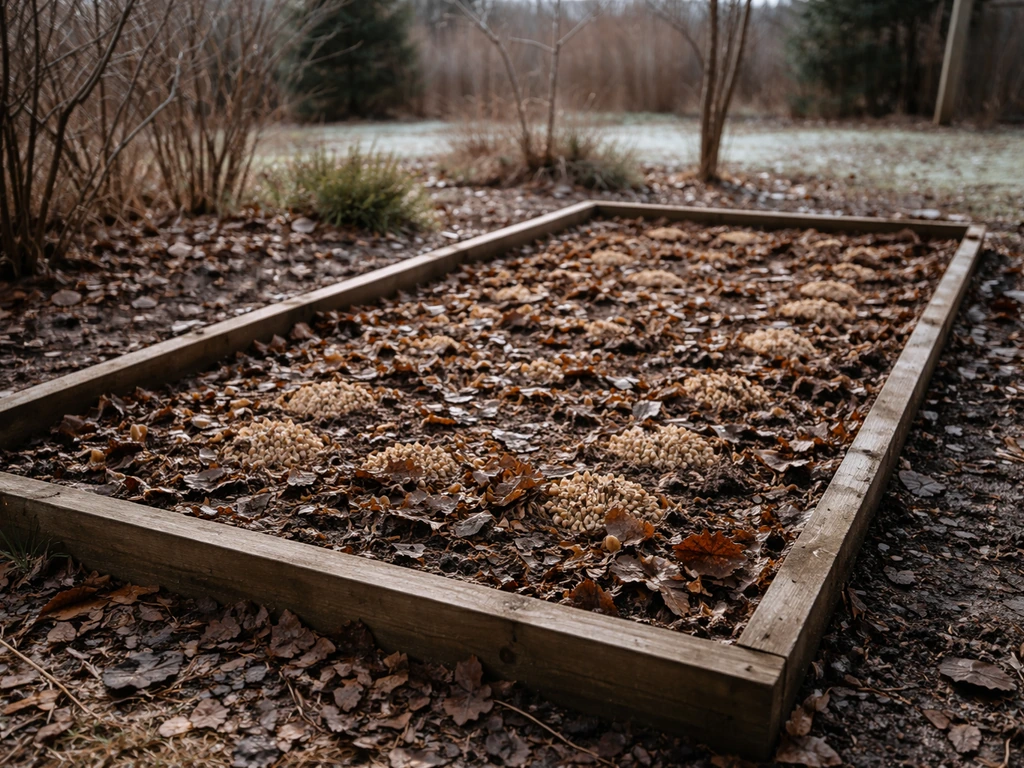
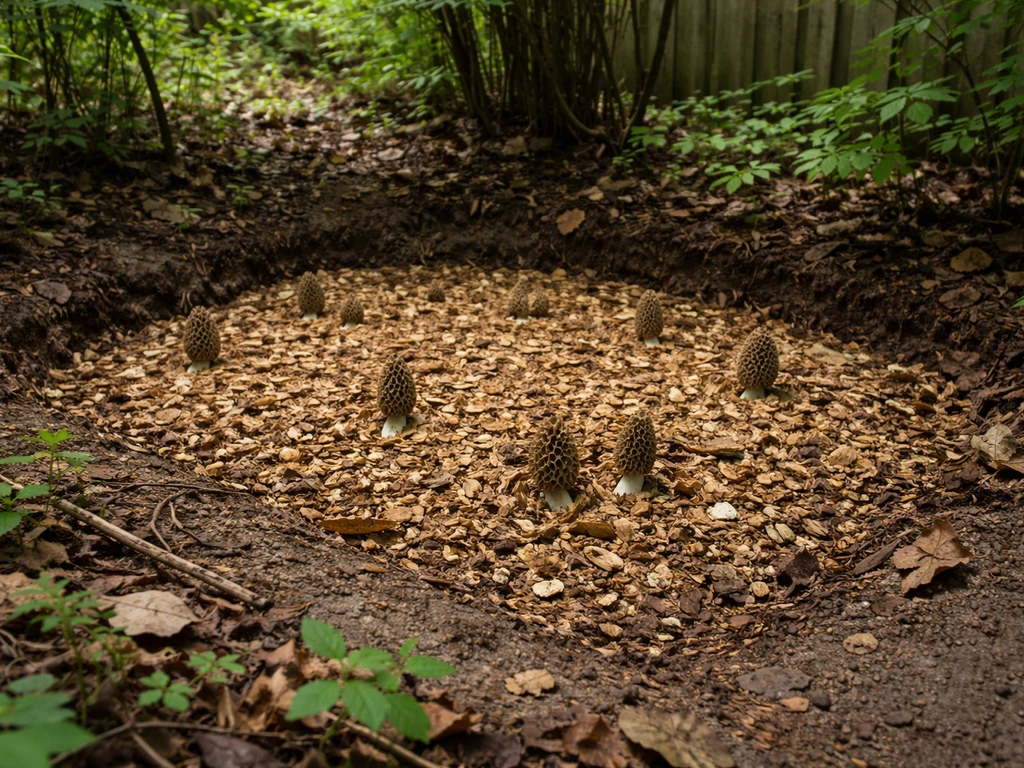
Morel kits have the best shot at working when you use them outdoors in a suitable climate, plant them in late fall or very early spring, and give them months (not weeks) to establish. Outdoor bed-style kits, where you inoculate a prepared patch of ground with morel spawn or mycelium, have the most credible track record. If you need practical mycelium grow kit instructions, start by confirming whether your kit is an outdoor bed style or an indoor substrate kit. Indoor morel cultivation is a different story. Research labs have managed it under tightly controlled conditions, but translating that into a consumer kit reliably enough to work in someone's kitchen or basement is still a stretch.
Where kits definitively do not work: if you're hoping for a guaranteed crop on a predictable schedule, or if you live somewhere with no real cold season (morels need a temperature cycling cue to fruit), or if you're trying to grow them indoors without the ability to control temperature down to around 10°C (50°F) for the fruiting stage. Don't confuse morel kits with kits for oyster mushrooms, lion's mane, or other gourmet species, where the biology is genuinely kit-friendly. If you want a beginner grow kit that performs more predictably, start by comparing morel kits to oyster mushroom or lion's mane kits, which are more kit-friendly. Those grow reliably at room temperature with basic care.
How morels actually grow in nature (and why that makes kits tricky)
Understanding why morel kits are hard starts with understanding what morels actually do in the wild. They fruit in spring, triggered by soil warming after winter cold. A USDA Forest Service study found that blank" rel="noopener noreferrer">morel fruiting initiation is tied to soil temperature exceeding a specific baseline, measured in accumulated degree-days above that threshold. On top of that, slowly drying soil after a wet period can also stimulate fruiting. So morels aren't just waiting for warmth, they respond to a specific sequence of cold, moisture, and gradual warming that naturally happens in temperate forests.
There's also the question of what morels actually eat. Morels in post-fire environments have been shown through isotope studies to be saprotrophic, meaning they feed on dead organic matter (old carbon from burned wood) rather than relying on a living tree partner. That's actually encouraging news for cultivation because it means they don't absolutely need a living host tree. But the substrate still has to be right, and the microbial community in that substrate matters too. Research on indoor cultivation of Morchella rufobrunnea found that the fungal and bacterial community in the substrate shifts significantly during the growth and fruiting phases, which means a sterile bag of generic substrate isn't going to replicate what's happening in forest soil.
A five-year field study in Missouri confirmed that the factors conditioning morel fruiting are still incompletely understood, even by scientists. Fruiting season length correlates with how quickly soil warms, but predicting whether or where morels will appear in a given year remains difficult. When you put that in context of a consumer kit, it explains why even well-intentioned kits have inconsistent results: the biology itself is variable and not yet fully mapped.
What morel grow kits actually include
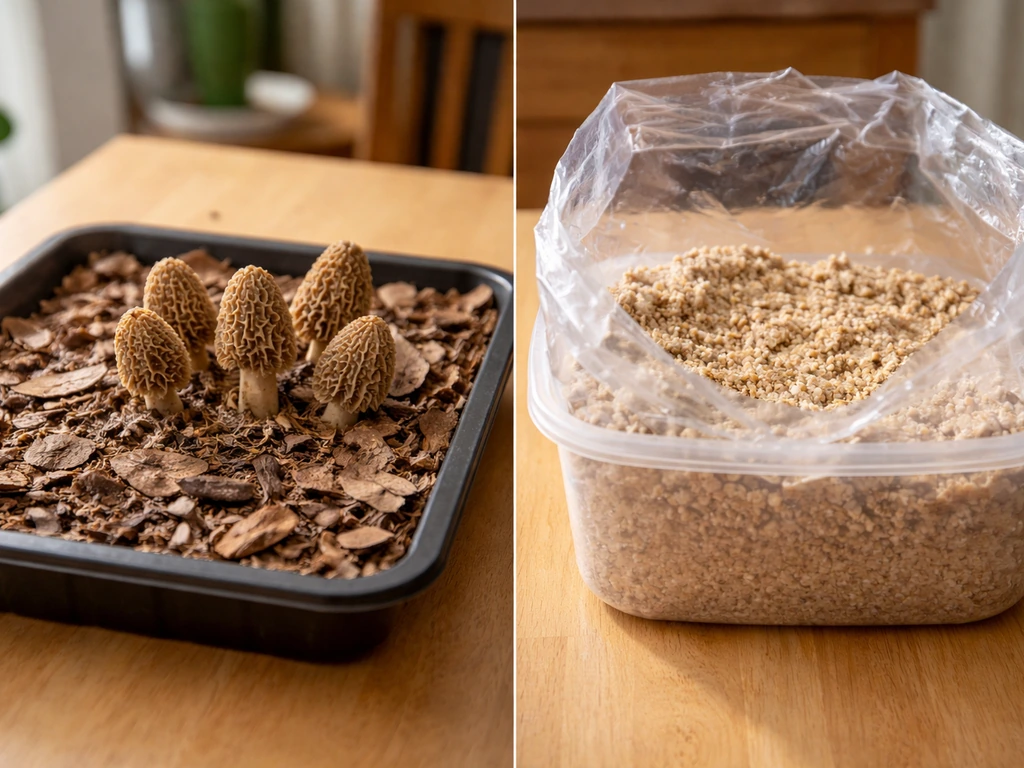
Most consumer morel kits fall into one of two types: outdoor bed kits and indoor substrate kits. If you are shopping for a beginner automated boomr bin cvg monotub mushroom grow kit, compare the indoor substrate-kit approach here versus an outdoor bed kit, since both categories demand very specific environmental control indoor substrate kits. Knowing which type you have matters a lot because the care, placement, and realistic expectations are completely different.
| Kit Type | Typical Contents | Where It's Used | Realistic Outcome |
|---|---|---|---|
| Outdoor bed kit | Morel spawn (mycelium on grain or wood), substrate mix, planting instructions | Garden bed, woodchip mulch patch outdoors | Possible fruiting in 1–2+ seasons with right conditions |
| Indoor substrate kit | Pre-colonized substrate block or bag, humidity tent, instructions | Indoors at room temperature | Low reliability; needs very specific temperature cycling |
| Spore slurry kit | Morel spore solution, sometimes substrate additives | Poured onto prepared outdoor bed | Highly variable; spores are harder to establish than mycelium |
| DIY cultivation kit | Spawn + detailed instructions + substrate components to mix yourself | Outdoors or controlled indoor space | Better results with more effort and attention to conditions |
Indoor kits often claim you can grow morels at room temperature in weeks, which is the biggest red flag to watch for. Research-backed indoor cultivation requires a growth phase at around 18°C (65°F) with about 80% relative humidity for roughly 7 days, followed by a flooding induction step to trigger conidiation (the stage before fruiting). That's a controlled lab protocol, not something most home setups replicate naturally. Outdoor kits are more forgiving because nature does some of that temperature cycling work for you.
Success rates and realistic timelines
There are no published consumer success rate numbers for morel grow kits because the variation is too high and too dependent on local conditions. But talking to growers honestly: outdoor bed kits succeed maybe 30–50% of the time in the first season when conditions are right, and more often in the second year after the mycelium has established. Indoor kits have a much lower hit rate, with many experienced cultivators reporting failure more often than success unless they're running a very controlled setup.
Timeline expectations matter here. In Chinese and Japanese research settings, successful cultivation of black morel (Morchella sp. In FEMS Microbiology Letters, blank" rel="noopener noreferrer">successful cultivation of black morel in Japan is reported with timelines on the order of a few months from setup to first fruiting bodies. ) required roughly 3 months from setup to seeing the first fruiting bodies (ascomata). Even under optimized lab conditions. For an outdoor bed, you might plant in fall and not see anything until spring, and sometimes not until the following year's spring. If you open a kit expecting to be eating morels in 2–3 weeks the way you would with an oyster mushroom fruiting block, you'll think it failed when it actually just needs more time. If you still need step-by-step guidance, the best approach is to follow the specific mondo grow kit instructions that came with your kit and match them to your outdoor or indoor setup morel grow kit.
What success actually depends on, in rough order of importance: correct temperature cycling (cold dormancy followed by gradual warming), appropriate substrate (wood chips, leaf litter, decaying organic matter), consistent but not waterlogged moisture, placement near suitable trees like apple, ash, or elm if possible, and patience across multiple seasons.
Best practices to maximize your odds
Temperature and seasonal timing
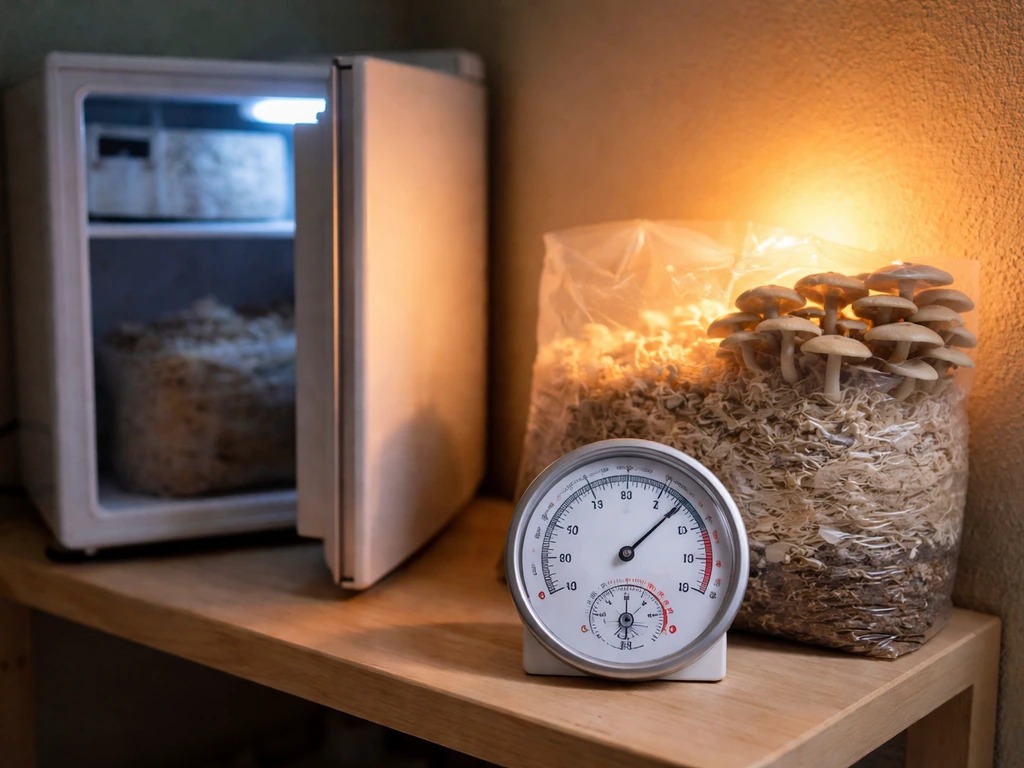
For outdoor kits, plant your spawn in fall (October to November in most of the US) so the mycelium has all winter to establish in the substrate before spring warming triggers fruiting. Morel primordium (the tiny pre-fruiting structures) formation has been linked to soil temperatures around 10°C (50°F) in cultivation research. You want the soil to warm gradually through that threshold, not jump there overnight. If you're in a climate that doesn't get below freezing in winter, morel cultivation becomes significantly harder.
For indoor setups, you need to engineer that cold-to-warm shift artificially. Run your substrate at 4–10°C (39–50°F) for 4–8 weeks as a cold conditioning period, then slowly raise to 15–18°C (59–65°F) during the growth phase. The flooding induction step described in lab research, where cultures are briefly flooded with water and then allowed to drain, helps trigger the transition to fruiting. This requires a dedicated space where you can actually control these temperatures, like a wine fridge or a temperature-controlled grow tent.
Humidity and moisture
Morels need sustained moisture without sitting in water. Target 80–90% relative humidity during the growth phase. Outdoors, mulch your morel bed heavily with wood chips or straw to retain moisture between rains. Water gently and regularly during dry spells, but never to the point of pooling. The USDA research noted that slowly drying soil (after a wet period) can actually stimulate fruiting, so a wet/dry cycle is more effective than constant saturation. Indoors, a humidity tent or enclosed chamber with daily misting works better than an open shelf.
Substrate preparation
Morels prefer a substrate that mimics forest floor conditions. For outdoor beds, a mix of wood chips (hardwood preferred), leaf litter, and a small amount of wood ash works well. Some growers add a layer of peat moss or coco coir to help with moisture retention. If the kit includes substrate or spawn mixed into grain, spread it in a 2–4 inch layer and cover with a layer of wood chips. Avoid heavy clay soils and make sure drainage is reasonable. For indoor kits that come with a pre-made substrate block, follow the kit instructions but add the flooding step if it isn't mentioned. If you want Zamnesia mushroom grow kit instructions specifically, compare their steps against the key requirements for temperature cycling, moisture, and airflow described in this guide.
Placement and light
Outdoors, place your morel bed in a shaded or semi-shaded spot, ideally near deciduous trees. Full sun dries out substrate too quickly and heats soil too fast in spring. Under an apple tree, near an elm, or along the shaded edge of a woodline are classic wild morel spots that translate well to outdoor kits. Indoors, morels don't need intense light but do benefit from 12 hours of ambient or indirect light per day to orient growth. Avoid direct sunlight on indoor setups as it will overheat and dry your substrate.
Airflow
Stagnant air encourages mold, which is one of the most common morel kit failure modes. Outdoors, natural airflow handles this. Indoors, provide gentle air exchange by briefly lifting your humidity tent or cracking a vent for 15–30 minutes twice a day. Don't blast the substrate with a fan, but don't seal it airtight either. Think of a forest floor: humid but not stagnant.
Troubleshooting: what to do when things go wrong
No fruiting after weeks of waiting
This is by far the most common complaint. First, check your timeline expectations: if it's been less than 8–12 weeks (or you haven't gone through a cold-to-warm temperature cycle), the kit hasn't failed, it's just not ready. If you've done all that and still nothing, check your substrate moisture (too dry kills mycelium quietly), confirm you're in the right temperature window for fruiting (aim for 10–18°C), and try the flooding induction trick: gently flood the substrate surface with cool water and let it drain over 6–12 hours. This mimics the spring rain event that often triggers wild morel fruiting.
Mold and contamination
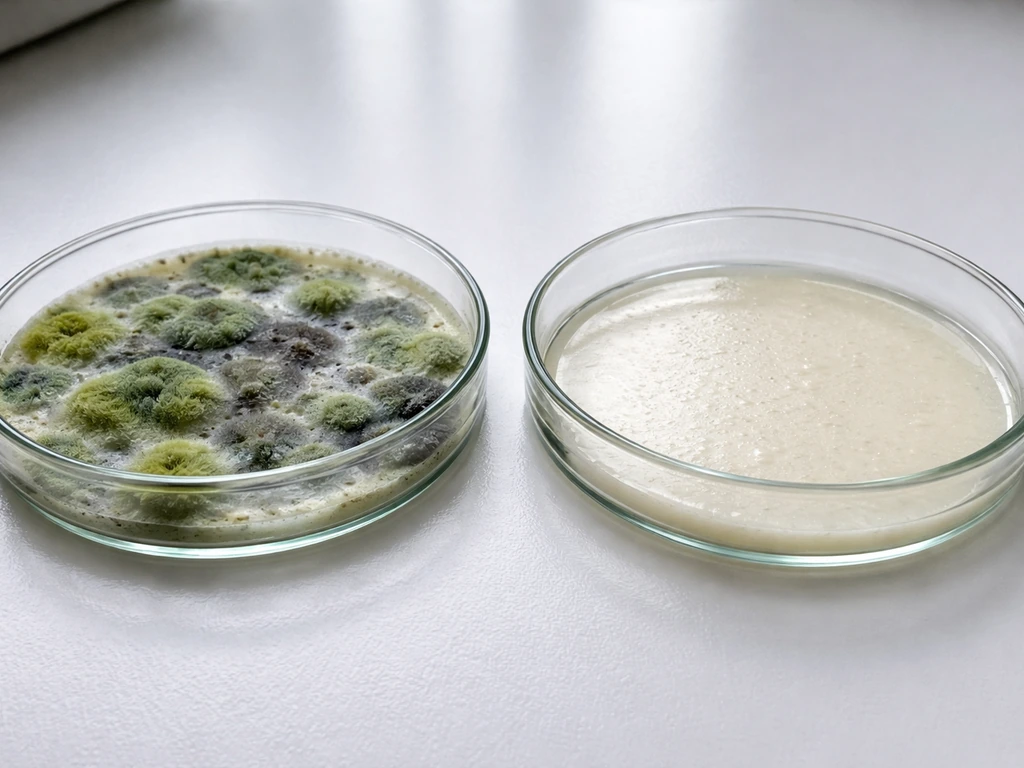
Green, black, or pink mold on your substrate means contamination, almost always from competing fungi or bacteria. Green (Trichoderma) mold is the most common and the most lethal to morel mycelium. If you see it early and it's limited to a small area, remove that section of substrate carefully without disturbing the rest, increase airflow, and reduce surface moisture slightly. If contamination covers more than 30% of your substrate, the kit has likely failed for this cycle. Outdoors, contamination is less catastrophic because the native soil biome can sometimes outcompete mold over time.
Slow or abortive growth
If you see tiny pins or primordia starting to form but then they stop and die off, the most common culprits are temperature too high (above 20°C kills developing pins), humidity drop, or a sudden change in conditions. Consistency is critical during the pinning stage. Don't move the kit, don't suddenly change misting frequency, and don't let the substrate dry out. Aborted pins that look like tiny brown bumps that stop growing and collapse are a sign the fruiting conditions shifted at the wrong moment.
Uneven moisture and dry patches
Dry patches in substrate look lighter in color and feel crumbly. Rehydrate them carefully with a gentle misting, not a pour. If you're using an outdoor bed, add a fresh layer of wood chip mulch over the dry areas to lock in moisture. For indoor kits, consider placing a damp paper towel loosely over the surface between mistings to maintain more even humidity across the whole substrate surface.
How to spot legitimate kits and avoid scams
The morel kit market has a real problem with overpromising. Because morels are so prized and so expensive at market, sellers have a strong incentive to make their kits sound foolproof. Here's how to tell a credible kit from a bad one.
- Legitimate kits are upfront about the difficulty and timeline. Any kit claiming you'll harvest morels in 2–4 weeks indoors without temperature cycling is making an impossible promise.
- Look for live mycelium spawn, not just spores. Spore slurry kits are unreliable because morel spores are notoriously difficult to germinate consistently. Mycelium spawn on grain or wood substrate has a better establishment rate.
- Check whether the kit specifies a morel species (Morchella esculenta, Morchella importuna, Morchella rufobrunnea). Generic 'morel kit' labels without species info are a yellow flag.
- Credible sellers include detailed instructions covering cold conditioning, temperature targets, humidity, and a multi-week or multi-month timeline. Thin instructions with no mention of temperature cycling are a warning sign.
- Read reviews specifically for fruiting results, not just 'the mycelium grew.' Lots of kits will colonize substrate without ever producing a mushroom, and that's a distinct failure mode.
- Avoid kits that ship in hot weather without cold packs if they contain live mycelium. Heat-damaged spawn will not establish properly.
- For outdoor bed kits, verify the spawn was produced in the current season. Old or improperly stored spawn has lower viability.
If you're new to mushroom cultivation generally and want a confidence-building win before tackling morels, starting with a more beginner-friendly kit (oyster, lion's mane, or shiitake) is genuinely good advice. If you want the best grow your own kits for beginners, focus on realistic species expectations and the conditions you can actually provide. The skills you build around humidity management, contamination identification, and fruiting conditions all transfer to morel work, but without the heartbreak of a slow-moving, unpredictable crop. Once you've got a feel for how mycelium behaves and what contamination looks like, coming back to a morel outdoor bed kit is a much more informed experience.
If you decide to go ahead with a morel kit, the outdoor bed setup is your best bet. Get live mycelium spawn from a reputable supplier, plant it in fall in a shaded hardwood spot, mulch it well, and check back in spring. Don't expect results in year one as a guarantee. Treat year one as establishment, year two as your first real shot at fruiting, and you'll have a much healthier relationship with the whole project.
FAQ
Do morel grow kits work indoors, or only outdoors?
For most people, no. Morel kits that claim harvests indoors in a few weeks are usually assuming tight temperature and humidity control similar to a lab protocol. If you cannot reliably run a cold period around 4–10°C (39–50°F), then slowly warm into the 15–18°C (59–65°F) window, plan for long timelines and lower odds.
What climates make morel grow kits more likely to succeed?
Use your climate history. If your winter regularly drops below freezing and then you get a gradual spring soil warm-up, outdoor beds have a realistic chance. If your area stays mild with little or no cold season, the cold-to-warm cue weakens, and outdoor kits often fail to fruit, even when the mycelium survives.
If my morel kit doesn’t fruit, how long should I wait before calling it a failure?
Mostly patience, plus the right stage match. Even with good setups, it is common to see no fruits the first spring. Treat year one as establishment, and only evaluate fruiting after you have completed at least one full cold-to-warm cycle in the same location.
How can I tell whether my morel grow kit is an outdoor bed kit or an indoor substrate kit?
Look for the kit type and how inoculation is done. Outdoor bed kits are typically spread into a prepared patch of outdoor ground and covered with a mulch layer. Indoor substrate kits usually come as a contained substrate block or bag and expect you to control temperature swings and humidity more precisely.
Should I keep the substrate constantly wet, or let it dry out?
Avoid constant saturation. Morels want moisture levels that stay high but not pooled. Indoors, flooding induction should be brief and followed by drainage, then humidity should be maintained without turning the substrate into a wet sponge.
What causes morel kits to fail even when humidity looks okay?
Check soil and substrate texture, not just surface moisture. If the ground is heavy clay or drains poorly, the bed can go anaerobic and increase contamination risk. The practical fix is choosing better-draining spots or amending with materials that improve structure, while still keeping moisture.
What do I do if I see green or other colored mold in a morel kit?
If you see Trichoderma (often bright green) early, the safest approach is to remove only the affected section carefully and increase airflow while reducing surface wetness. If mold spreads beyond a small portion, do not expect to salvage the rest, and plan to reset next season.
My kit formed tiny pins, then they stopped. Why does that happen and what should I change?
Aborted pins often point to a sudden environmental shift. The usual triggers are temperature spikes (above about 20°C), humidity dropping, or moving the kit. The fix is to keep conditions stable for several days and avoid changing misting and placement during pin development.
Why do I get no fruiting even though the mycelium seems alive?
Often it is two things: incorrect timing and missing the temperature cue. If you did not do the cold conditioning period or the warming step was too fast, pins may not develop. Even outdoors, rushing spring conditions, like full sun hot spots, can prevent the gradual warming pattern morels need.
Do all morel species kits perform the same, or does it matter what type I buy?
Genus-level kit claims are too broad. Different Morchella species can have different temperature and timing needs, and some kits are more suited to specific conditions than others. If the kit does not specify conditions or species, assume performance variability and start with the outdoor approach for the best odds.
How do I prevent mold and contamination in indoor morel setups?
Yes, and you can often prevent it by how you place the bed. Choose semi-shaded locations with airflow, avoid sealed airtight containers indoors, and provide gentle air exchange (for example, short venting). Overly stagnant air encourages mold.
Can I treat a morel kit like an oyster or lion’s mane kit and follow the same care routine?
Use the “right tool” mindset. Morel cultivation needs temperature cycling and specific moisture patterns. Oyster and lion’s mane kits are often designed for stable conditions, so if you follow their schedule for morels you will likely fail and conclude the kit is bad.
What’s the best way to “force” fruiting if I want results sooner?
Not safely, and rarely successfully. Forcing fruiting by sudden heat or heavy watering can kill developing pins or trigger contamination. If you need a nudge, do it by mimicking the spring sequence, gradual warming and controlled humidity, rather than quick changes.